
Introduction
Norway is a beautiful Scandinavian country known for its stunning natural landscapes, including fjords, mountains, and the Arctic coastline. It has a rich history, vibrant culture, and is famous for outdoor activities like hiking, skiing, and watching the Northern Lights. Norway is also one of the world’s wealthiest and most developed countries, with a high standard of living and strong environmental policies.
- Introduction to Norway’s Fjords
Norway’s fjords are among the most stunning natural wonders on Earth, attracting millions of visitors each year with their raw beauty, towering cliffs, and deep, glacial-carved waterways. These long, narrow inlets were formed during the Ice Age as glaciers carved through mountains, later flooded by the sea. Stretching along Norway’s western coastline, fjords like Geirangerfjord and Næroyfjord have become iconic symbols of the country’s dramatic landscape. Exploring these fjords is more than just sightseeing; it’s a deep immersion into nature’s power, serenity, and timelessness. - The Majesty of Geirangerfjord
Geirangerfjord is perhaps the most famous of all Norwegian fjords and a UNESCO World Heritage Site. Surrounded by snow-capped peaks and known for its majestic waterfalls such as the Seven Sisters and the Suitor, this fjord offers a visual feast that feels straight out of a fantasy. The winding roads and steep cliffs provide exceptional viewpoints like Dalsnibba and Flydalsjuvet, where travelers can witness the grandeur of the fjord from above. Boat cruises through Geirangerfjord are especially popular, offering an intimate perspective of the waterfalls cascading directly from vertical cliffs into the fjord below. - The Tranquility of Naeroyfjord
In contrast to Geiranger’s grandeur, Naeroyfjord offers a quieter, more intimate experience. Also a UNESCO World Heritage Site, it’s one of the narrowest fjords in the world, with cliffs rising almost vertically from the water. This fjord is particularly well-suited to kayaking or slow cruising, allowing travelers to glide past remote farms, steep rock faces, and serene waterfalls. The calm and near-silent atmosphere of Nærøyfjord often leaves visitors with a deep sense of peace and connection to nature, making it ideal for those seeking solitude and reflection. - Sognefjord – The King of the Fjords
Sognefjord, nicknamed the “King of the Fjords,” is the longest and deepest fjord in Norway, stretching over 200 kilometers inland. Its vastness allows for a variety of landscapes, from lush green valleys to rugged mountain peaks. One of its arms, Aurlandsfjord, is home to the famous Flåm Railway, a scenic train route considered one of the most beautiful in the world. The fjord also provides opportunities for activities like fishing, hiking, and village exploration. Its sheer scale and diverse offerings make Sognefjord a must-visit for anyone exploring Norway’s fjord region. - Cruise and Ferry Journeys
One of the most popular ways to explore Norway’s fjords is by cruise. Major cruise lines include the fjords in their itineraries, particularly during the summer months, allowing passengers to wake up to new scenery every morning. Coastal ferries like the Hurtigruten and Havila Voyages offer a more authentic and slower-paced alternative, connecting small towns and communities along the coast. These sea journeys are often the highlight of a Norway trip, giving travelers front-row seats to ever-changing landscapes that include waterfalls, wildlife, and charming fishing villages. - Adventure Activities in the Fjords
For travelers who crave excitement, Norway’s fjords offer an array of adventurous activities. Hiking is one of the most popular ways to explore the landscape, with famous trails like the one to Trolltunga or the Romsdalseggen Ridge offering unforgettable views. Kayaking in the still fjord waters allows for a close encounter with nature, while guided glacier walks let you experience the ancient ice that shaped the region. Some fjords even offer diving opportunities to explore underwater cliffs and wrecks, revealing yet another dimension of these natural wonders. - Wildlife and Nature Watching
The fjords are teeming with wildlife, and exploring them offers a chance to see Norway’s natural inhabitants in their element. Seals often sun themselves on coastal rocks, porpoises and dolphins play in the waters, and even orcas and humpback whales can occasionally be spotted. On land, you might encounter deer, eagles, or even the elusive lynx. Bird watchers in particular find the fjords rich in species, from puffins along the cliffs to osprey soaring above. This abundance of wildlife is a testament to the fjords’ ecological richness and pristine condition. - Cultural and Historical Connections
Beyond natural beauty, Norway’s fjords are steeped in cultural history. Many fjord-side villages date back centuries and have preserved their unique traditions, architecture, and way of life. Towns like Bergen, once a major trading post for the Hanseatic League, showcase colorful wooden buildings and bustling fish markets. Old stave churches, such as the one in Urnes (a UNESCO World Heritage Site), highlight the deep spiritual history of the region. Exploring the fjords often means stepping back in time and experiencing a culture that has evolved in harmony with its surroundings. - Sustainable Tourism and Environmental Stewardship
As tourism to Norway’s fjords grows, so does the country’s commitment to sustainability. Many fjord areas have implemented strict regulations to preserve their natural environment. Electric ferries and hybrid cruise ships are now common, helping to reduce carbon emissions. Local communities are also deeply involved in eco-tourism, offering experiences that support conservation efforts and local economies. By focusing on responsible travel, Norway ensures that future generations can enjoy the fjords just as we do today. - Planning the Perfect Fjord Trip
A journey through Norway’s fjords can be customized to fit any travel style—luxury cruise, self-drive road trip, or backpacking adventure. Summer offers long days, vibrant greenery, and accessible hiking trails, while spring and autumn bring fewer crowds and unique light for photography. Winter, though colder and darker, transforms the fjords into a snowy wonderland perfect for those seeking solitude and dramatic scenery. Planning ahead—choosing which fjords to visit, how to travel, and what activities to do—ensures a rich and rewarding experience in one of the world’s most magical landscapes.
Where to stay in Norway
- Tromso — The Aurora Hub
Tromso is the most popular base for Northern Lights chasers. It offers a wide range of accommodations from cozy guesthouses and boutique hotels to modern, luxury stays. Many places offer Northern Lights wake-up calls so you don’t miss a sighting. Popular hotels include the Clarion Hotel The Edge and Scandic Ishavshotel, both with great views and central locations. - Lofoten Islands — Scenic and Secluded
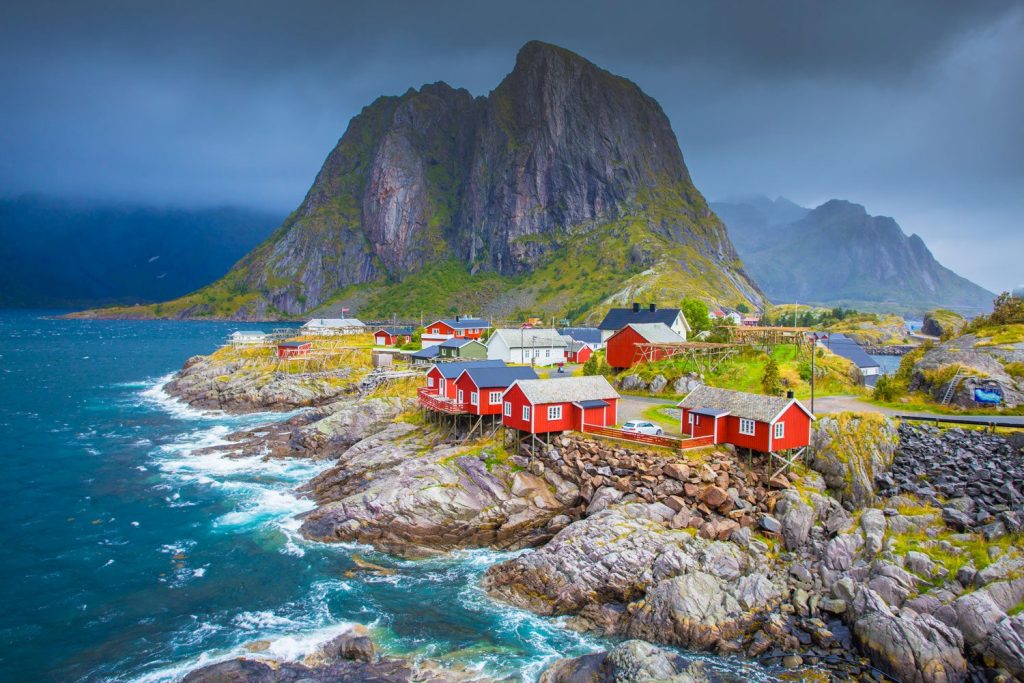
In the Lofoten Islands, staying in traditional fishermen’s cabins called rorbuer is a unique experience. These cabins are often right by the water, offering stunning views and a cozy atmosphere. Towns like Svolvær and Reine have good options for lodges and guesthouses. - Alta — The City of Northern Lights
Alta offers hotels, lodges, and even ice hotels. The Sorrisniva Igloo Hotel is a famous ice hotel option. For something warmer, try the Scandic Alta or smaller cozy lodges in the outskirts where you can get darker skies.
Things to do in Norway
- Witness the Northern Lights
Experience the magical Aurora Borealis in northern Norway, especially around Tromso, Lofoten, and Alta. Join guided tours or chase the lights on your own from remote spots. - Explore the Fjords
Cruise or hike around Norway’s iconic fjords like Geirangerfjord and Næroyfjord, UNESCO World Heritage sites known for dramatic cliffs, waterfalls, and serene waters. - Hike the Trolltunga
Challenge yourself with the famous Trolltunga hike near Odda. The hike offers breathtaking views over Ringedalsvatnet Lake and the surrounding mountains.
Day trip from Norway
From Oslo
- Visit the Oslo Fjord and Bygdoy Peninsula
Explore the beautiful Oslo Fjord by boat, then visit the museums on Bygdoy Peninsula, including the Viking Ship Museum and the Fram Museum. - Hike to Kjeragbolten (for the adventurous)
If you’re up for a longer day, take an early flight or drive to Stavanger and hike the iconic Kjeragbolten boulder—one of Norway’s most famous natural attractions.
From Bergen
- Fjord Cruise to Naeroyfjord and Aurlandsfjord
Take a scenic cruise from Bergen to explore the UNESCO-listed fjords, known for steep cliffs and waterfalls. Some tours combine a boat trip with a visit to the charming village of Flam. - Visit Hardangerfjord and Voringsfossen Waterfall
Drive or join a tour to Hardangerfjord, Norway’s fourth largest fjord, and see the spectacular Voringsfossen waterfall, one of the highest in the country.
From Tromso
- Whale Watching Safari
In winter, join a whale watching tour from Tromso to see orcas and humpback whales feeding in the fjords. - Visit the Arctic Fjords and Sami Camp
Take a day trip to explore Arctic fjords and visit a Sami camp for reindeer sledding and cultural experiences.