
Introduction
Egypt is a transcontinental country in North Africa, with the Sinai Peninsula forming a land bridge to Asia. It is best known for its ancient civilization, including the Pyramids of Giza, the Sphinx, and the Nile River, which is the lifeblood of the nation. Its capital, Cairo, is the largest city in the Arab world.
- Introduction to the Red Sea Coast
Egypt’s Red Sea coast is one of the country’s most remarkable regions, stretching over 1,200 kilometers along the eastern edge of the mainland and the Sinai Peninsula. Framed by the majestic Red Sea and the Eastern Desert, this coastline is renowned for its striking natural beauty, diverse marine life, and year-round sunshine. It has become a premier destination for tourists seeking both relaxation and adventure. The coast combines pristine beaches, rich cultural history, and vibrant underwater ecosystems, making it a unique part of Egypt’s geographic and touristic identity.
- World-Class Diving and Snorkeling
One of the biggest draws to Egypt’s Red Sea coast is its reputation as a global hotspot for diving and snorkeling. Locations like Hurghada, Marsa Alam, and El Quseir are gateways to some of the most colorful coral reefs and diverse marine species in the world. The Red Sea’s warm, clear waters offer visibility up to 30 meters, making it ideal for exploring underwater landscapes. Divers can expect to see everything from clownfish and moray eels to turtles, dolphins, and even rare sightings of whale sharks or manta rays.
- Beautiful and Diverse Coastal Towns
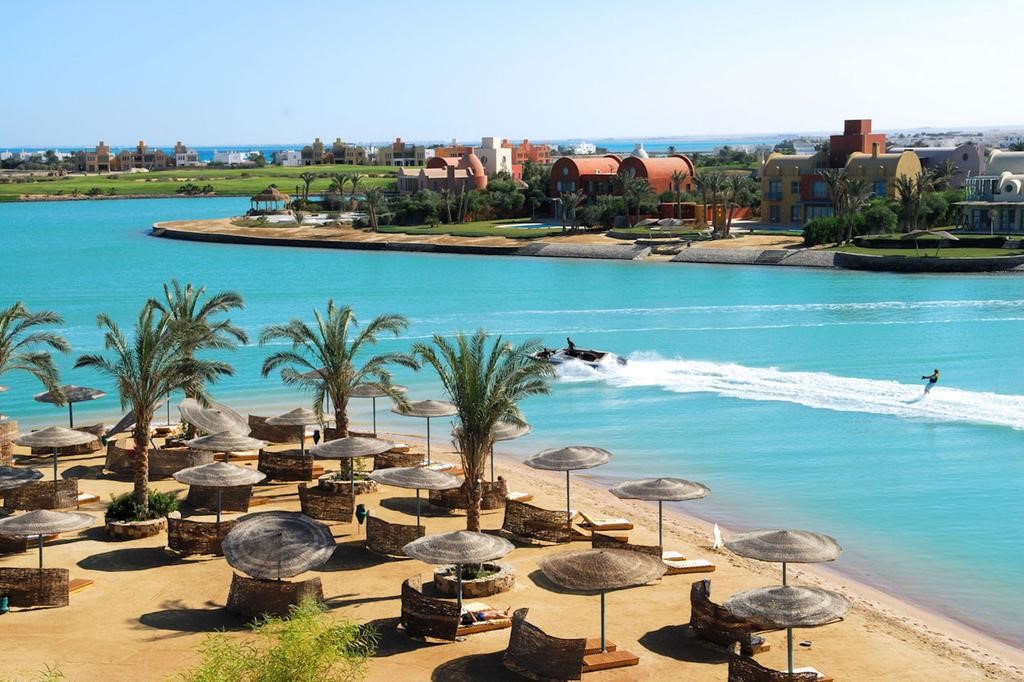
The coast is dotted with a variety of resort towns and cities, each offering a different experience. Hurghada is the most developed, with a wide array of hotels, restaurants, and nightlife. El Gouna, just north of Hurghada, is a purpose-built luxury resort town with lagoons, golf courses, and a sustainable design ethos. Marsa Alam, farther south, is quieter and more pristine, known for its untouched reefs and eco-lodges. Safaga, Soma Bay, and Ain Sokhna also offer different atmospheres, catering to everyone from solo backpackers to luxury travelers.
- Rich Marine Biodiversity
The Red Sea coast is part of a unique marine ecosystem, home to more than 1,200 species of fish, 200 species of coral, and countless invertebrates. Unlike many other marine regions, the Red Sea’s coral reefs are particularly resilient to climate change, which has helped preserve their vivid color and diversity. The region’s biodiversity has made it a priority for marine conservation efforts, and several marine protected areas have been established, such as the Wadi El Gemal National Park and Ras Mohammed National Park.
- Adventure and Water Sports
Beyond diving, the Red Sea coast is a hub for a variety of water sports and outdoor activities. Kitesurfing, windsurfing, and parasailing are extremely popular, especially in spots like El Gouna and Safaga, where the wind and water conditions are ideal. Deep-sea fishing, sailing, and glass-bottom boat trips allow even non-divers to enjoy the sea’s wonders. Inland, the Eastern Desert offers opportunities for quad biking, camel trekking, and hiking, making the region a playground for thrill-seekers and nature lovers alike.
- Historical and Cultural Significance
Though the coast is often associated with modern tourism, it also has deep historical roots. Ancient trade routes passed through this region, and archaeological sites such as Roman ruins in Berenice and Mons Claudianus provide glimpses into its past. Bedouin tribes still inhabit parts of the region, preserving unique traditions, crafts, and storytelling practices. Visiting a Bedouin village or participating in a traditional dinner experience allows tourists to engage with Egypt’s living cultural heritage beyond the pharaonic monuments.
- Climate and Ideal Travel Seasons
One of the biggest advantages of Egypt’s Red Sea coast is its consistent climate. With over 300 sunny days a year and warm temperatures even in winter, it’s a reliable year-round destination. Summers can be hot, particularly in July and August, but the sea breeze makes coastal areas more comfortable than the inland cities. Spring (March–May) and autumn (September–November) are ideal times to visit, offering pleasant temperatures for outdoor and underwater activities without the peak-season crowds.
- Accessibility and Infrastructure
The development of modern infrastructure has made the Red Sea coast easily accessible from major international and domestic destinations. Airports in Hurghada, Marsa Alam, and Sharm El-Sheikh offer direct flights from Europe, the Middle East, and beyond. Roads connecting the coast to Cairo and Upper Egypt are continuously being improved, making overland travel smoother. High-quality resorts, hospitals, and tourist services have been established throughout the region, contributing to a safe and comfortable travel experience.
- Sustainable and Eco-Tourism Efforts
Sustainability has become an increasingly important aspect of tourism along the Red Sea. Many resorts now implement eco-friendly practices, such as solar energy, waste reduction, and coral reef protection programs. Organizations and local authorities are working together to balance tourism with environmental conservation. Projects like the Red Sea Project and eco-lodges in Marsa Alam aim to showcase how tourism can coexist with natural preservation, offering visitors a chance to support responsible travel.
- Conclusion: A Coastline of Endless Possibilities
Egypt’s Red Sea coast is far more than just a sunny beach destination. It’s a vibrant blend of natural wonders, cultural heritage, and recreational opportunities. Whether you’re a diver chasing vibrant reefs, a family seeking a relaxing beach holiday, or a traveler interested in desert adventures and local traditions, the Red Sea has something to offer. Its accessibility, beauty, and growing commitment to sustainability ensure that this coastline will continue to shine as one of Egypt’s and the world’s most captivating travel destinations.
Where to stay in Egypt
Ancient Egypt & History Lovers
Cairo & Giza
- Why: Home to the Pyramids of Giza, the Egyptian Museum, and Islamic Cairo.
- Where to Stay:
- Luxury: Marriott Mena House (views of the Pyramids), Four Seasons Nile Plaza
- Mid-range: Steigenberger El Tahrir, Le Riad Hotel de Charme
- Budget: Tahrir Plaza Suites, Pyramids View Inn
Luxor
- Why: Valley of the Kings, Karnak Temple, Luxor Temple.
- Where to Stay:
- Luxury: Sofitel Winter Palace, Hilton Luxor Resort & Spa
- Mid-range: Steigenberger Nile Palace, Al Moudira Hotel
- Budget: Nefertiti Hotel, Cleopatra Hotel
Aswan
- Why: Philae Temple, Abu Simbel (via day trip), Nile cruises.
- Where to Stay:
- Luxury: Sofitel Legend Old Cataract, Mövenpick Resort Aswan
- Mid-range: Pyramisa Isis Island Aswan
- Budget: Anakato Nubian Guest Houses, Keylany Hotel
For Beaches & Diving
Hurghada
- Why: Popular for all-inclusive resorts, diving, and family-friendly beaches.
- Where to Stay:
- Luxury: Steigenberger Aldau Beach, Baron Palace Sahl Hasheesh
- Mid-range: Sunrise Garden Beach Resort, Jaz Aquamarine
- Budget: Sea Garden Hotel, Elysees Dream Beach
El Gouna
- Why: Upmarket, clean, gated resort town with lagoons and golf courses.
- Where to Stay:
- Luxury: La Maison Bleue, Chedi El Gouna
- Mid-range: Dawar El Omda, Mosaique Hotel
- Budget: Captains Inn, Cook’s Club El Gouna
Marsa Alam
- Why: More secluded and untouched reefs, great for serious divers.
- Where to Stay:
- Luxury: Hilton Nubian Resort, Jaz Grand Marsa
- Mid-range: Blue Vision Diving Hotel, Concorde Moreen Beach
- Budget: Marsa Nakari Eco Lodge, Deep South Eco-Lodge
Things to do in Egypt
- Explore Ancient Wonders
- Visit the Pyramids of Giza – See the Great Pyramid, the Sphinx, and even go inside a pyramid.
- Tour the Egyptian Museum in Cairo – Home to Tutankhamun’s treasures and countless mummies.
- Walk through Karnak Temple in Luxor – One of the world’s largest ancient religious sites.
- See the Valley of the Kings – Explore royal tombs, including King Tut’s.
- Marvel at Abu Simbel Temples – Colossal temples built by Ramses II, relocated after the Aswan High Dam.
- Dive or Snorkel in the Red Sea
- Go diving in Hurghada, Sharm El Sheikh, or Marsa Alam – Vibrant coral reefs, wreck dives, and crystal-clear water.
- Snorkel at Ras Mohammed National Park – World-class marine biodiversity near Sharm El Sheikh.
- Take a boat trip to Giftun Island – White sandy beaches and coral reefs near Hurghada.
- Cruise the Nile River
- Take a Nile cruise from Luxor to Aswan – A luxurious and relaxing way to see temples and rural life.
- Sail on a felucca boat in Aswan – Traditional wooden sailboats perfect for sunset trips.
Day trip from Egypt
From Aswan
- Abu Simbel Temples
- Distance: ~3–4 hours one way (can be done by road or short flight)
- Massive rock temples of Ramses II—truly one of Egypt’s most breathtaking sites.
- Philae Temple & Aswan Islands
- Distance: Local
- Take a boat to the temple of Isis on Agilkia Island; combine with Elephantine Island.
- Nubian Village Visit
- Distance: ~30–45 min by boat
- Enjoy traditional Nubian culture, food, and architecture on the Nile’s west bank.
From Hurghada / El Gouna
- Giftun Island Snorkeling
- Distance: ~45-minute boat ride
- Day trip with snorkeling, beach lounging, and lunch included.
- Luxor Day Trip
- Distance: ~4 hours by car (long day but doable)
- Visit Karnak, Valley of the Kings, and Hatshepsut’s Temple.
- Desert Safari
- Distance: Varies
- Jeep or quad-bike into the Eastern Desert with Bedouin village stops.
From Sharm El Sheikh
- Ras Mohammed National Park
- Distance: ~45 minutes
- Top spot for snorkeling and diving with protected coral reefs.
- Mount Sinai & St. Catherine’s Monastery
- Distance: ~2.5–3 hours
- Popular overnight hike to watch the sunrise from the biblical mountain.
- Blue Hole (Dahab)
- Distance: ~1.5–2 hours
- Famous dive/snorkel site; combine with a visit to the relaxed town of Dahab