
Introduction
Ecuador is a small country in South America, located on the equator. Despite its size, it has an incredible variety of landscapes and ecosystems — from the Amazon Rainforest and Andes Mountains to the Pacific Coast and the Galapagos Islands. Its capital is Quito, a historic city high in the Andes. Ecuador is known for its rich biodiversity, indigenous cultures, colonial history, and eco-tourism opportunities. It’s a popular destination for nature lovers and adventure travelers alike.
- The Amazon Covers a Huge Part of Ecuador
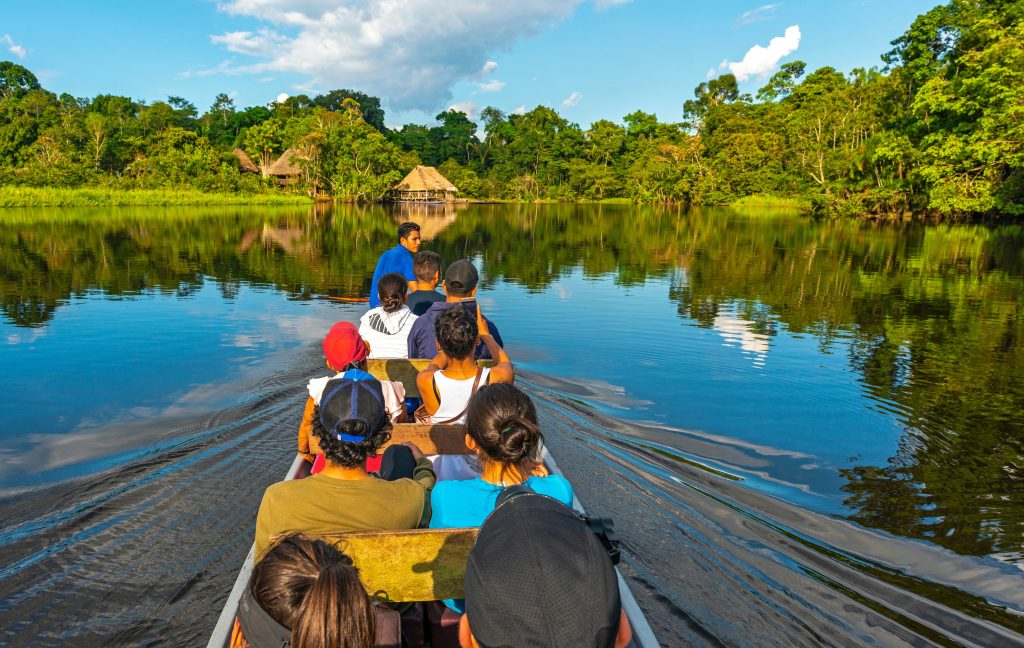
The Ecuadorian Amazon, also called “El Oriente”, covers nearly 40% of the country. It’s a vast, lush region filled with dense jungle, winding rivers, and rich biodiversity. Major areas to explore include Yasuni National Park, Cuyabeno Wildlife Reserve, and the Napo River basin.
Despite its remoteness, the Amazon is relatively accessible from cities like Quito, with short flights or overland travel followed by canoe rides into the jungle.
- It’s One of the Most Biodiverse Places on Earth
Ecuador’s Amazon is a global biodiversity hotspot. In places like Yasuni National Park, you can find:
- Over 600 bird species
- 200+ species of mammals (like monkeys, jaguars, and bats)
- Thousands of plant species
- Rare animals like pink river dolphins, giant river otters, and poison dart frogs
It’s a dream destination for wildlife lovers, photographers, and conservation enthusiasts.
- You Can Visit Indigenous Communities
Many tours include visits to indigenous communities, such as the Kichwa, Shuar, or Siona people. These visits are a chance to learn about traditional hunting techniques, medicinal plants, and cultural practices passed down for generations.
Responsible tour operators ensure that these visits are respectful, authentic, and benefit the local people, creating opportunities for cultural exchange.
- There Are Options for All Budgets and Styles
Whether you want a luxury eco-lodge with private cabins and hot showers or a rustic backpacker-style adventure, the Ecuadorian Amazon has a range of accommodations and tour types:
- Lodges: Located deep in the forest, often only accessible by river
- Campsites: For adventurous travelers wanting to sleep under the stars
- Cruises: Limited but available on rivers like the Napo
Many packages include meals, guided activities, and transportation from major cities.
- Guided Tours Are Essential — and Incredibly Informative
The Amazon is not a place to explore alone. Local guides are essential for navigating the terrain, spotting wildlife, and explaining the complex ecosystem. Most guides are indigenous or native to the region, offering deep insights into the forest’s flora, fauna, and cultural significance.
Tours often include activities like:
- Canoe trips on blackwater rivers
- Jungle hikes (day and night)
- Birdwatching
- Visits to salt licks (where animals gather)
- Educational talks on rainforest conservation
- Yasuní National Park and Cuyabeno Are Top Destinations
Two of the most popular areas for Amazon tours in Ecuador are:
Yasuni National Park
- A UNESCO Biosphere Reserve
- Home to some of the highest biodiversity on Earth
- Rich in both wildlife and indigenous cultures
- Offers more remote and immersive experiences
Cuyabeno Wildlife Reserve
- Easier to access than Yasuni
- Great for canoe-based exploration
- Known for its flooded forests and abundant wildlife
- Popular with budget and mid-range travelers
- Night Tours Offer a Whole New Perspective
The jungle truly comes alive at night. Many tours include guided night walks, where you can see nocturnal creatures like:
- Tree frogs
- Bats
- Insects
- Snakes
- Tarantulas
With a flashlight and an expert guide, you’ll experience the rainforest in an entirely different light (literally), making for one of the most memorable parts of any trip.
- The Amazon is a Year-Round Destination — But Seasons Matter
Ecuador’s Amazon has a tropical climate and can be visited year-round, but it’s important to know the seasonal differences:
- Wet Season (March to August): Rivers rise, allowing deeper canoe access but with more rain
- Dry Season (September to February): Less rain, more wildlife visibility, but some areas may be harder to access by boat
Regardless of the time of year, you should expect heat, humidity, and the possibility of rain, so pack accordingly (light, breathable clothes, rain gear, insect repellent).
- Sustainability and Conservation Are Key
Tourism in the Amazon has the potential to either harm or help the environment. Choosing a responsible operator is crucial. Look for tours that:
- Employ local staff and guides
- Operate low-impact or carbon-neutral trips
- Support conservation projects and indigenous rights
- Limit group sizes and avoid sensitive wildlife areas
Many lodges in Ecuador are models of eco-tourism, using solar power, sustainable waste management, and rainwater collection systems.
- It’s More Than Just a Trip — It’s a Transformative Experience
A tour of Ecuador’s Amazon isn’t just a vacation — it’s often a life-changing experience. The jungle challenges your senses, teaches you about ecological balance, and introduces you to ways of life that have existed for centuries in harmony with nature.
Whether you’re watching a sloth laze through the trees, listening to the eerie calls of howler monkeys at dawn, or sharing stories with an indigenous elder, the Amazon leaves an unforgettable imprint.
Where to stay in Ecuador
- Quito (Capital City – Andes Region)
Why stay here: Great for history, architecture, and access to the Amazon or Galápagos.
Popular Areas:
- Centro Historico – Colonial charm, walkable, UNESCO-listed
- La Mariscal – Lively, full of restaurants, bars, and hostels
- La Floresta – Artsy, quiet, and great for boutique hotels
Recommended stays:
- Luxury: Casa Gangotena, Hotel Plaza Grande
- Mid-range: Ikala Quito Hotel, Hotel Casona 1914
- Budget: Secret Garden Hostel, Community Hostel
- Banos (Adventure & Nature Hub)
Why stay here: Waterfalls, hot springs, hiking, and extreme sports.
Recommended stays:
- Luxury: Samari Spa Resort
- Mid-range: La Posada del Arte
- Budget: Great Hostels Backpackers Los Pinos
- Cuenca (Colonial City in the South)
Why stay here: Beautiful architecture, art, culture, and relaxed atmosphere.
Recommended stays:
- Luxury: Mansion Alcazar
- Mid-range: Hotel Victoria
- Budget: El Cafecito Hostel
Things to Do in Ecuador
- Explore the Andes Mountains
Ecuador’s spine is formed by the Andes, offering stunning landscapes, colonial cities, and adventure.
- Visit Quito – Explore the colonial old town, a UNESCO World Heritage Site.
- Stand on the equator – Visit Mitad del Mundo (Middle of the World) monument.
- Hike Cotopaxi Volcano – One of the highest active volcanoes in the world.
- Ride the Devil’s Nose Train – A scenic and thrilling railway descent through the mountains.
- Visit Quilotoa Crater Lake – A beautiful turquoise volcanic lake with hikes and viewpoints.
- Discover the Galápagos Islands
A once-in-a-lifetime destination for wildlife lovers and nature photographers.
- Snorkel with sea lions, turtles, and sharks
- See giant tortoises in the wild and breeding centers
- Visit multiple islands by cruise or ferry
- Explore lava tunnels and volcanic landscapes
- Dive at world-famous sites like Darwin and Wolf Islands
- Take an Amazon Rainforest Tour
Ecuador’s Amazon is one of the most accessible and biodiverse parts of the jungle.
- Stay at an ecolodge in Cuyabeno or Yasuní
- Canoe through flooded forests
- Spot monkeys, toucans, caimans, and pink river dolphins
- Visit indigenous communities
- Take a night walk to see nocturnal wildlife
Day trip from Ecuador
- Mitad del Mundo (Middle of the World)
- Travel time: ~45 minutes from Quito
- Highlights: Stand on the equator, visit the Intiñan Museum for science experiments and indigenous history.
- Otavalo Market
- Travel time: ~2 hours
- Highlights: South America’s most famous indigenous market — textiles, jewelry, crafts, and local food.
- Mindo Cloud Forest
- Travel time: ~2–2.5 hours
- Highlights: Ziplining, waterfalls, chocolate and coffee tours, birdwatching (hummingbirds & toucans).