
Introduction
The Arctic is the northernmost region of Earth, surrounding the North Pole. Extreme cold, ice-covered seas and tundra landscapes characterize it. The Arctic includes parts of countries like Canada, Russia, Greenland, Norway, and the United States (Alaska). This region experiences long, harsh winters with polar night (continuous darkness) and short summers with midnight sun (continuous daylight). The Arctic is home to unique wildlife such as polar bears, Arctic foxes, seals, and whales, and plays a crucial role in the Earth’s climate system.
- Understanding the Fragility of Polar Ecosystems
The Polar Regions Arctic in the north and Antarctica in the south—are among the most fragile ecosystems on the planet. These icy landscapes are home to unique species like polar bears, penguins, seals, and whales and they play a critical role in regulating the Earth’s climate. Eco-friendly travel begins with an understanding of this fragility. Travelers must be educated about how even small disruptions—noise, pollution, or improper waste disposal—can significantly affect the delicate balance of polar biodiversity.
- Choosing Sustainable Tour Operators
Not all polar expeditions are created equal. Eco-conscious travelers should seek out tour operators committed to sustainable practices. This includes using vessels with lower emissions, supporting scientific research onboard, and ensuring that crew and guests follow strict environmental protocols. Reputable companies often hold certifications from bodies like the International Association of Antarctica Tour Operators (IAATO) or the Association of Arctic Expedition Cruise Operators (AECO), which enforce responsible travel guidelines.
- Minimizing Carbon Footprint
Traveling to the polar regions often involves long-distance flights and energy-intensive sea voyages, which can result in a significant carbon footprint. To offset this, eco-friendly travelers can invest in carbon offset programs that support reforestation, renewable energy, or conservation projects. Additionally, choosing voyages that combine transportation with research or community support can further justify and mitigate the environmental cost of travel.
- Respecting Wildlife and Their Habitat
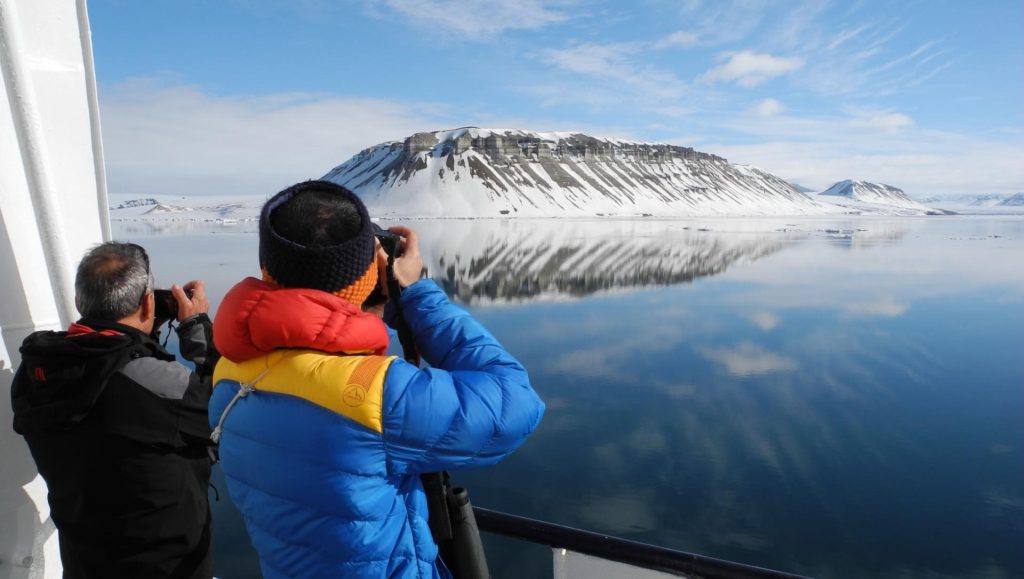
One of the greatest attractions of polar travel is the chance to see wildlife in their natural habitats. However, this must be done with extreme caution. Tourists should maintain a safe distance, avoid loud noises, and never feed or touch animals. Responsible guides will ensure that interactions do not disrupt feeding, mating, or migration patterns. Observation should always be passive, using binoculars or cameras rather than attempting close encounters.
- Traveling in Small Groups
Mass tourism can quickly overwhelm the sensitive polar environments. Eco-friendly tours typically limit the number of passengers on land at any one time. Small group travel reduces the human footprint, lowers the risk of introducing invasive species, and makes it easier to enforce eco-guidelines. Smaller groups also tend to have richer, more immersive educational experiences, guided by naturalists or scientists.
- Supporting Scientific Research and Conservation
Many eco-friendly polar expeditions partner with scientific research projects, allowing travelers to engage in citizen science. This could include recording wildlife sightings, collecting data on ice conditions, or learning about climate monitoring. By supporting research, travelers contribute to the long-term preservation of the regions they visit. Some tour operators also donate a portion of profits to polar conservation initiatives.
- Practicing Leave No Trace Principles
One of the golden rules of eco-travel in any location, especially the polar regions, is “leave nothing but footprints.” Visitors must take all waste back with them, avoid disturbing vegetation or rocks, and follow designated pathways when ashore. Single-use plastics should be avoided, and all personal gear must be cleaned before travel to prevent introducing non-native organisms. The goal is to ensure that the natural environment remains exactly as it was found.
- Educating Yourself and Others
Eco-travel is not just about what you do, but what you learn and share. Travelers should take time to understand polar geography, climate science, indigenous cultures (in the Arctic), and conservation challenges. Most eco-tours provide expert-led lectures, field briefings, and opportunities to ask questions. Upon returning home, sharing these experiences can help raise awareness about the importance of protecting the poles and inspire others to travel responsibly.
- Respecting Indigenous Communities (in the Arctic)
In the Arctic, many indigenous communities such as the Inuit have lived sustainably for thousands of years. Eco-friendly travel includes respecting their traditions, supporting local economies, and avoiding cultural exploitation. Travelers can seek experiences that are led by or in partnership with indigenous groups, ensuring that tourism benefits rather than disrupts their way of life. This creates more authentic and respectful connections between visitors and host communities.
- Advocating for Climate Action
Perhaps the most powerful outcome of polar eco-travel is its potential to transform visitors into advocates. Seeing firsthand the retreating glaciers, shifting ice floes, and threatened wildlife can be a profound experience. Eco-travelers often return with a heightened sense of responsibility, choosing to support climate policies, reduce their carbon footprints, or advocate for stronger protections for the polar regions. In this way, each journey can become a force for global change.
Where to Stay in the Arctic
- Arctic Research Stations
For scientists and researchers, many Arctic expeditions base themselves at research stations operated by various countries. These stations offer basic but functional accommodations, often shared dormitories or cabins, with access to laboratories and equipment. Examples include Ny-Alesund (Svalbard, Norway) and the Barrow Arctic Research Center (Alaska, USA). - Arctic Hotels and Lodges
Several Arctic towns have hotels and lodges catering to tourists. These range from cozy, rustic lodges with traditional Sami influences to modern hotels with full amenities. Popular towns with accommodations include Longyearbyen in Svalbard, Tromso in Norway, and Ilulissat in Greenland. - Ice Hotels
For a unique Arctic experience, ice hotels are an unforgettable choice. These are built entirely from ice and snow and rebuilt every year. Famous examples include the ICEHOTEL in Jukkasjarvi, Sweden (technically sub-Arctic but often included in Arctic travel itineraries). Staying in an ice hotel lets you experience Arctic conditions in a safe, artistic setting.
Things to Do in the Arctic
- Ice Diving
Dive beneath the frozen surface to explore the Arctic’s underwater world—crystal-clear ice formations, unique marine life, and surreal silence. - Northern Lights Viewing
Witness the breathtaking Aurora Borealis lighting up the Arctic sky with vibrant colors, especially in winter months. - Dog Sledding
Experience traditional Arctic transportation by mushing a team of sled dogs across snowy landscapes.
Day Trips from Arctic
- From Longyearbyen (Svalbard, Norway)
- Boat trip to Pyramiden: Visit the abandoned Russian mining town with guided tours, wildlife spotting, and spectacular Arctic scenery.
- Dog sledding tour: Experience a half-day or full-day dog sled ride on the snow-covered tundra, guided by expert mushers.
- Snowmobile safari: Explore glaciers, frozen fjords, and valleys with a snowmobile day adventure.
- From Tromsø (Norway)
- Fjord sightseeing cruise: Take a day cruise through the dramatic Norwegian fjords to see wildlife like sea eagles and seals.
- Northern Lights chase (winter): Join a guided evening tour to hunt for the Aurora Borealis away from city lights.
- Arctic wildlife safari: Visit nearby islands or coastal areas for birdwatching and marine life spotting.
- From Ilulissat (Greenland)
- Icefjord boat tour: Sail around the UNESCO-listed Ilulissat Icefjord to witness towering icebergs and floating ice.
- Hiking to Sermermiut: Explore the ancient Inuit settlement ruins with spectacular views of the icefjord.
- Dog sledding or snowmobiling (seasonal): Try winter adventures on the ice and snow-covered tundra.