
Why Choose Lebanon for Your Next Wine Tour?
When people think of wine destinations, their minds often jump to Bordeaux, Napa Valley, or Tuscany. But Lebanon, with its fertile Bekaa Valley, Mediterranean climate, and winemaking heritage dating back over 5,000 years, offers an experience that is just as rich — and uniquely its own.
Here’s why Lebanon stands out:
- Ancient heritage: Phoenicians were among the first to produce and trade wine, making Lebanon one of the world’s oldest wine regions.
- Diverse terroirs: From the high-altitude vineyards of the Bekaa Valley to coastal estates near Batroun, Lebanon boasts incredible diversity in soil and climate.
- Intimate experiences: Most Lebanese wineries are family-owned, allowing for personal, authentic encounters with winemakers.
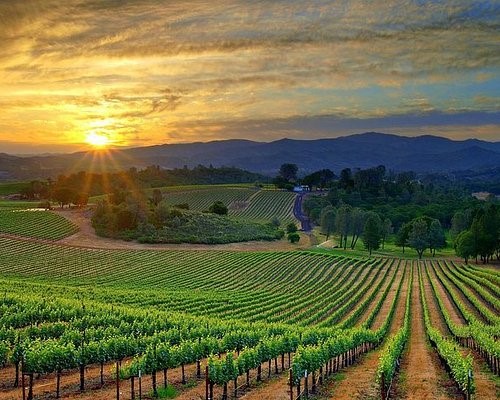
- Scenic beauty: Vineyards are set against backdrops of mountains, Roman ruins, and Mediterranean waters — it’s wine tasting with a view.
The Bekaa Valley: Lebanon’s Winemaking Heart
No wine tour in Lebanon is complete without a journey through the Bekaa Valley, the country’s most renowned and productive wine region. Located about an hour east of Beirut, this high-altitude valley (900–1200m above sea level) enjoys hot days, cool nights, and optimal sun exposure — ideal conditions for viticulture.
Key Wineries to Visit in the Bekaa Valley
- Chateau Ksara
Founded in 1857 by Jesuit priests, Chateau Ksara is Lebanon’s oldest and most visited winery. It’s known for its rich history and vast network of Roman-era caves used for aging wines.
- Must-try: Le Prieuré (red), Chardonnay Cuvée du Pape (white)
- Experience: Guided cave tour, wine tasting, and a stroll through the beautiful estate.
- Chateau Kefraya
A sprawling estate that combines tradition with innovation, Chateau Kefraya produces award-winning wines and offers breathtaking views of vineyards rolling across the valley.
- Must-try: Les Bretèches (red blend), Blanc de Blancs (white)
- Experience: Wine tastings, a boutique museum, and gourmet Lebanese meals at the on-site restaurant.
- Domaine des Tourelles
This charming, old-world winery is known for its authenticity and character. Domaine des Tourelles has a strong emphasis on natural winemaking techniques and local grape varieties.
- Must-try: Marquis des Beys (Syrah-Cabernet blend), Rosé de Cana
- Experience: Wine cellar tour, tasting flights, and stories about its 150+ years of winemaking.
Northern Gems: The Batroun Wine Route
Heading north along the Mediterranean coast, the Batroun region is home to a newer but rapidly growing wine scene. With its sea breezes and rocky terrain, Batroun is producing crisp whites and elegant reds that are turning heads.
Highlights of the Batroun Wine Trail
- IXSIR Winery
A modern marvel built into the mountains, IXSIR combines sustainable architecture with bold wines made from grapes sourced from across Lebanon.
- Must-try: Altitudes Red, Grande Réserve White
- Experience: Wine tastings in a futuristic cellar, gourmet lunch with panoramic views.
- Chateau Sanctus
A boutique winery offering small-batch wines and an intimate setting. Sanctus is known for its artisanal approach and scenic vineyard tours.
- Must-try: Sanctus Red Reserve, Sanctus Rosé
- Experience: Private tastings, cellar dinners, and customized blending sessions.
- Batroun Mountains Winery
Set on a forested hillside, Batroun Mountains is family-run and certified organic. Their wines reflect a passion for both sustainability and flavor.
- Must-try: Organic Merlot, Batroun Mountains White
- Experience: Outdoor tastings under the pine trees, vineyard picnics, and sunset views.
Southbound: Hidden Treasures in Jezzine & Beyond
While the Bekaa and Batroun take most of the spotlight, southern Lebanon offers lesser-known but deeply rewarding wine experiences.
Must-Visit Wineries in the South
- Chateau St. Thomas (Qabb Elias – bordering southern Bekaa)
A family-run estate combining French traditions with Lebanese warmth. They’re known for both their wine and arak (a local aniseed spirit).
- Must-try: Pinot Noir, Obeidy (indigenous white grape)
- Experience: Tasting with the Saint Thomas family, food pairings with local cheese and meze.
- Karam Wines (Jezzine)
Perched high in the mountains, Karam Wines is the first winery in South Lebanon and pioneers in elevating native grape varieties.
- Must-try: Saint John cuvée, rosé from indigenous grapes
- Experience: Personalized tours, lush vineyard walks, and visits to the historic Jezzine town.
Planning Your Lebanon Wine Tour with Travel Express
At Travel Express, we believe that wine tours should be more than just tastings — they should be journeys through culture, history, and landscapes. That’s why we’ve crafted exclusive wine tour packages in Lebanon, tailored to different tastes, group sizes, and travel styles.
Sample Wine Tour Itinerary (5 Days / 4 Nights)
Day 1: Arrival in Beirut
- Airport pickup and hotel check-in
- Welcome dinner at a wine bar in Gemmayzeh
Day 2: Bekaa Valley Exploration
- Visit Chateau Ksara, Domaine des Tourelles, and Chateau Kefraya
- Traditional Lebanese lunch with a vineyard view
- Overnight stay in Zahle or nearby winery guesthouse
Day 3: Batroun Wine Trail
- Scenic drive to the north coast
- Tastings at IXSIR, Batroun Mountains, and Chateau Sanctus
- Seafood dinner on the Batroun harbor
- Optional overnight stay in a coastal eco-lodge
Day 4: Southern Wine & Culture
- Drive to Jezzine to visit Karam Wines
- Stop at Deir el Qamar or Sidon for a cultural tour
- Return to Beirut for farewell dinner with local wine pairings
Day 5: Departure
- Airport transfers
- Optional wine shopping before leaving
Custom tours available upon request.
What to Expect on a Lebanon Wine Tour
- Warm Hospitality: Lebanese winemakers treat guests like family. Expect heartfelt conversations and home-cooked meals.
- Wine Education: Learn about indigenous grape varieties like Obeidy and Merwah, and the impact of altitude and soil on Lebanese terroir.
- Cultural Immersion: Wine tours are often paired with visits to ancient ruins, monasteries, and bustling souks.
- Gastronomic Delights: Each tasting is paired with mouthwatering dishes — think grilled halloumi, kibbeh, and mezze platters.
Travel Tips for Your Lebanon Wine Adventure
- Best time to visit: Spring (April–June) and fall (September–October) offer ideal weather and vibrant vineyard scenery.
- Getting around: Travel Express provides all-inclusive transport, or you can rent a car if you prefer exploring solo.
- Language: Arabic is the official language, but French and English are widely spoken — especially at wineries.
- Dress code: Comfortable chic — bring layers for altitude changes and shoes suitable for vineyard walks.