
A Brief History: More Than Just a Name
Chinatown’s roots trace back to the early 1800s when Sir Stamford Raffles allocated this area to Chinese immigrants. Over the centuries, this humble enclave evolved into a bustling hub of commerce, culture, and community. Today, it stands as a testament to the resilience and entrepreneurial spirit of Singapore’s Chinese pioneers. While modern buildings now share the skyline, the traditional shophouses, temples, and clan associations keep the area’s soul intact.
Getting There and Getting Around
Chinatown is easily accessible via MRT (Mass Rapid Transit). Just hop off at Chinatown MRT Station (NE4/DT19), and you’ll find yourself in the heart of it all. The neighborhood is very walkable, with most attractions located within a short stroll. For the full experience, we recommend exploring by foot—you’ll discover hidden alleys, unexpected art, and mouthwatering street food.
What to See and Do
1. Chinatown Heritage Centre
Step back in time at the Chinatown Heritage Centre, housed in three restored shophouses on Pagoda Street. Through immersive exhibits and recreated living quarters, you’ll get a glimpse into the lives of Chinatown’s early residents—their struggles, dreams, and daily routines. It’s the perfect starting point for understanding the district’s significance.
2. Sri Mariamman Temple
Singapore’s oldest Hindu temple, Sri Mariamman, is a stunning sight in the midst of Chinatown. Built in 1827, this temple is adorned with intricate sculptures of deities and mythological figures. It serves the Tamil Hindu community and hosts vibrant festivals such as Theemithi (Firewalking Festival), which draws thousands of visitors each year.
3. Buddha Tooth Relic Temple & Museum
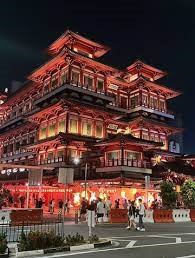
An architectural masterpiece inspired by Tang Dynasty designs, the Buddha Tooth Relic Temple is a spiritual sanctuary and cultural wonder. Its main draw is the sacred relic believed to be one of Buddha’s teeth. The temple also houses a comprehensive museum, and if you’re lucky, you might witness a traditional chanting ceremony.
4. Thian Hock Keng Temple
One of the oldest Chinese temples in Singapore, Thian Hock Keng was built in honor of Ma Zu, the Goddess of the Sea. Constructed in 1842 without nails, its intricate woodwork and decorative motifs are marvels of Southern Chinese temple architecture.
5. Street Art and Murals
Take a detour down alleyways like Ann Siang Hill and Keong Saik Road to spot captivating murals depicting life in old Chinatown. These works, by local artists such as Yip Yew Chong, add a contemporary flair while preserving nostalgic stories.
Culinary Adventures in Chinatown
Hawker Centers: Where Flavor Meets Culture
Chinatown is a haven for food lovers, offering everything from humble hawker fare to Michelin-starred street food.
- Maxwell Food Centre
This legendary hawker center is a must-visit. Try the famous Tian Tian Hainanese Chicken Rice, a dish so iconic that even celebrity chef Gordon Ramsay once competed against it—and lost. Other crowd-pleasers include char kway teow, popiah, and refreshing sugarcane juice. - Chinatown Complex Food Centre
With over 260 stalls, it’s the largest hawker center in Singapore. Don’t miss Liao Fan Hong Kong Soya Sauce Chicken Rice & Noodle, the world’s cheapest Michelin-starred meal. Yes, you can dine like royalty for under $5.
Specialty Eateries
- Tong Heng Confectionery
Craving something sweet? Tong Heng has been delighting locals with traditional Chinese pastries since the 1930s. Their diamond-shaped egg tarts are melt-in-your-mouth magic. - Mei Heong Yuen Dessert
Cool down with snow ice or warm up with a comforting bowl of almond paste. This cozy dessert shop is perfect for an afternoon treat.
Shopping Galore: Souvenirs, Spices, and Silks
The streets of Chinatown are lined with souvenir shops, tea houses, traditional medicine halls, and jewelry stores.
- Pagoda Street and Trengganu Street are great for picking up keepsakes—from Chinese calligraphy sets to silk robes and lucky charms.
- Visit Yue Hwa Chinese Products, a departmental store in a heritage building, for everything from Chinese herbs to intricate home decor.
- For tea enthusiasts, Tea Chapter offers tastings and traditional Chinese tea ceremonies—a serene, cultural escape amid the bustling streets.
Chinatown at Night: A Different Kind of Magic
As the sun sets, Chinatown transforms into a radiant wonderland.
- Chinatown Night Market (seasonal): Wander through lantern-lit streets browsing trinkets, nibbling street snacks, and soaking in the festive energy.
- Ann Siang Hill and Club Street come alive with bars, bistros, and speakeasies. These historic lanes blend colonial charm with modern nightlife—ideal for a laid-back evening or a classy cocktail.
- Catch a traditional performance or cultural workshop at the Singapore Chinese Cultural Centre or The Arts House nearby.
Festivals: When Chinatown Truly Comes Alive
If you’re lucky enough to visit during a festival, Chinatown turns into a full-on cultural spectacle.
Chinese New Year
The most important celebration in the Chinese calendar, Chinatown bursts into life with red lanterns, lion dances, street parades, and fireworks. The festive bazaar, typically held in the weeks leading up to the New Year, is a treasure trove of goodies, snacks, and decorations.
Mid-Autumn Festival
Celebrate the moon with lantern processions, mooncakes, and glowing light installations. Chinatown during this time feels like a dream—especially if you walk the lantern-lit streets at night.
Where to Stay
Chinatown caters to all kinds of travelers:
- Luxury:
Stay at The Scarlet Singapore, a bold and beautiful boutique hotel housed in heritage shophouses. - Mid-range:
Hotel Mono offers minimalist, stylish rooms in a prime location. - Budget:
Try Beary Best! Hostel for clean, colorful dorms with a social vibe.
All options place you just steps away from food, attractions, and transport.
Local Tips from Travel Express
- Dress comfortably: You’ll be walking a lot, often under the sun—light clothing and good shoes are key.
- Try speaking a few words of Mandarin: Locals appreciate the effort, though most speak English fluently.
- Bring cash for hawker stalls: Some still don’t accept cards, though mobile payment options are growing.
- Visit early or late: To avoid the crowds, explore in the early morning or after dinner hours.