
Introduction
Eastern Europe is a region of the European continent located east of Germany and west of Russia. It includes countries like Poland, Hungary, Czech Republic, Slovakia, Romania, Bulgaria, and the Baltic States, among others. The region is known for its rich history, diverse cultures, and stunning landscapes—from medieval castles and vibrant cities to scenic rivers and mountains. Eastern Europe has a unique blend of Western and Eastern influences, shaped by its past under various empires and political changes, making it a fascinating area to explore.
- Overview of the Danube River
The Danube is Europe’s second-longest river, stretching over 2,850 kilometers (about 1,770 miles) across 10 countries—from Germany’s Black Forest to the Black Sea in Romania and Ukraine. Cruising the Danube offers travelers a unique opportunity to explore diverse cultures, historic cities, and breathtaking landscapes along this iconic waterway. The river connects many important capitals such as Vienna, Budapest, and Belgrade, making it a popular route for river cruises.
- Best Time to Cruise the Danube
Timing is key for an enjoyable Danube cruise. The most popular cruising season runs from late spring (May) through early autumn (September-October). During these months, the weather is generally mild and pleasant, perfect for sightseeing and outdoor excursions. Spring brings blooming flowers and fewer crowds, while summer offers vibrant festivals and warm temperatures. Fall shows off colorful foliage and a more relaxed atmosphere. Winter cruises are less common but provide a magical, snowy ambiance in some cities.
- Popular Itineraries and Ports of Call
Danube cruises often start in cities like Budapest (Hungary), Vienna (Austria), or Passau (Germany). Common itineraries include stops at:
- Vienna: Famous for its classical music, imperial palaces, and elegant coffee houses.
- Budapest: The “Pearl of the Danube” with its thermal baths, historic bridges, and vibrant nightlife.
- Bratislava: Slovakia’s charming capital with a medieval old town.
- Melk: Known for its magnificent Benedictine Abbey overlooking the river.
- Belgrade: Serbia’s lively capital, blending history with modern culture.
Each port offers unique cultural experiences, local cuisine, and historic sites to explore.
- Types of Danube River Cruises
There are various types of Danube cruises tailored to different tastes and budgets:
- Luxury cruises: Offer upscale accommodations, gourmet dining, and inclusive excursions.
- Budget cruises: More affordable options with simpler amenities but still comfortable.
- Themed cruises: Focus on topics like wine tasting, classical music festivals, or holiday celebrations.
- Small ship cruises: Provide a more intimate experience with fewer passengers and access to smaller ports.
Choosing the right cruise depends on your preferences for comfort, activities, and itinerary.
- What to Pack for a Danube Cruise
Packing smart is essential. Bring comfortable walking shoes for city tours, layered clothing for varying weather, and a good camera to capture stunning views. Include rain gear or a light jacket, especially in spring or fall. Do not forget travel adapters, sunscreen, and any medications you might need. For formal dinners onboard, pack at least one dressy outfit. If you plan to visit churches or religious sites, bring modest clothing covering shoulders and knees.
- Shore Excursions and Activities
Shore excursions are a highlight of Danube cruises, offering opportunities to explore local culture, history, and nature. Popular activities include guided city tours, wine tasting in vineyards, hiking in the Wachau Valley, and visits to castles and monasteries. Some cruises include excursions in the price, while others offer optional tours for an extra fee. It’s wise to book popular excursions in advance or research independent options for a more flexible schedule.
- Dining on the Danube
One of the joys of a Danube cruise tastes regional cuisine. Onboard dining often features a mix of international dishes and specialties from countries along the river. Expect fresh fish, hearty stews, and pastries like Austria’s famous Sachertorte. Many cruises provide buffet breakfasts, multi-course dinners, and afternoon tea or snacks. Shore stops allow you to sample local street food, traditional wines, and beers. If you have dietary restrictions, notify the cruise operator ahead of time.
- Language and Currency Considerations
The Danube flows through many countries, each with its own language and currency. Common languages include German, Hungarian, Slovak, Serbian, and Romanian. While English is widely spoken in tourist areas, learning a few basic phrases like “hello,” “thank you,” and “please” can enhance your experience. Currency varies—Euros are used in Austria, Germany, and Slovakia, but Hungary uses Forints, and Serbia uses Dinars. Many cruises accept credit cards onboard, but carrying some local cash for small purchases is recommended.
- Health and Safety Tips
River cruising is generally safe and comfortable, but it’s important to stay informed. Check any travel advisories or vaccination requirements before your trip. Keep personal belongings secure and be cautious during excursions in crowded areas. Drink bottled water if you’re unsure of tap water quality ashore. If you have mobility issues, confirm accessibility options with the cruise line. Travel insurance covering health and trip cancellations is strongly advised for peace of mind.
- Environmental Impact and Sustainable Cruising
Sustainable travel is increasingly important on river cruises. Many operators now follow eco-friendly practices such as reducing waste, using cleaner energy sources, and supporting local communities through responsible tourism. As a traveler, you can contribute by minimizing single-use plastics, respecting natural habitats, and choosing excursions that prioritize cultural preservation. Being mindful of your environmental footprint helps ensure the Danube remains a beautiful destination for generations to come.
Where to stay in Eastern Europe
- Prague, Czech Republic
- Old Town (Stare Mesto): Ideal for first-time visitors who want to be close to historic sites like the Astronomical Clock and Charles Bridge.
- Mala Strana: Charming, quieter area with cobblestone streets and baroque architecture.
- Zizkov: A lively neighborhood popular with young travelers, featuring vibrant nightlife.
- Budapest, Hungary
- Belvaros-Lipotvaros (Downtown): Central area with easy access to major sights like Parliament and the Danube promenade.
- District VII (Jewish Quarter): Known for ruin pubs, trendy cafes, and street art, great for nightlife lovers.
- Buda Side: Offers a quieter atmosphere with historic castles and panoramic views.
- Krakow, Poland
- Old Town: Heart of the city with the main market square, historic churches, and plenty of restaurants.
- Kazimierz: The former Jewish district, now a hip area full of galleries, bars, and unique shops.
- Podgórze: Up-and-coming neighborhood with a more local vibe and interesting history.
- Sofia, Bulgaria
- City Center: Close to landmarks like Alexander Nevsky Cathedral and numerous museums.
- Lozenets: A bit more residential, offering parks and upscale dining.
- Studentski Grad: Popular among students, with a youthful and affordable atmosphere.
Things to do in Eastern Europe
- Explore Historic Capitals
- Prague (Czech Republic): Wander the fairy-tale streets of the Old Town, visit Prague Castle, and cross the iconic Charles Bridge.
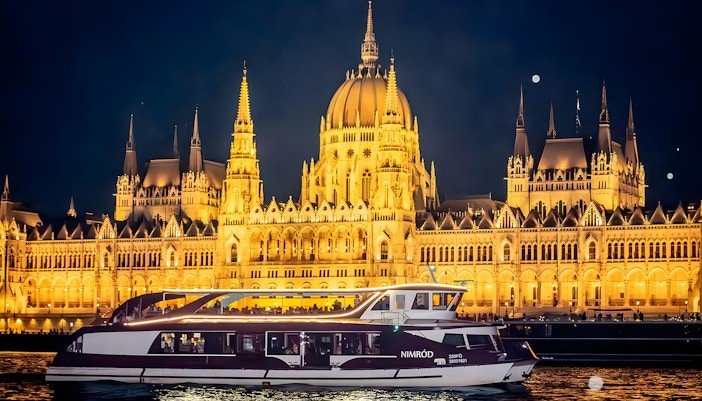
- Budapest (Hungary): Relax in thermal baths like Szechenyi, tour the Parliament building, and take a night cruise on the Danube.
- Krakow (Poland): Discover the medieval Wawel Castle, the lively Main Market Square, and the poignant Auschwitz-Birkenau Memorial nearby.
- Visit UNESCO World Heritage Sites
- Tallinn’s Old Town (Estonia): One of Europe’s best-preserved medieval cities with cobbled streets and historic walls.
- Dubrovnik’s Old Town (Croatia): The “Pearl of the Adriatic,” famous for its ancient city walls and stunning coastal views.
- Historic Centre of Riga (Latvia): Known for its Art Nouveau architecture and vibrant cultural scene.
- Experience Local Festivals and Traditions
- Carnival in Venice (via nearby Croatian coast): Eastern Europe hosts colorful festivals like Budapest’s Christmas markets or the Masopust carnival in the Czech Republic.
- Easter Markets: Attend traditional Easter celebrations with local crafts, food, and music in cities like Bratislava or Krakow.
Day trip from Eastern Europe
- from Prague, Czech Republic
- Kutna Hora: A UNESCO town about 1 hour away, famous for the Sedlec Ossuary (Bone Church) and the beautiful St. Barbara’s Church.
- Karlstejn Castle: A stunning Gothic castle built by Charles IV, just 40 minutes from Prague, ideal for history buffs and nature lovers.
- From Budapest, Hungary
- Szentendre: A charming riverside town 30 minutes north of Budapest known for its art galleries, colorful baroque houses, and cobblestone streets.
- Esztergom: Hungary’s former capital with a magnificent basilica overlooking the Danube, about 1 hour from Budapest.
- From Krakow, Poland
- Wieliczka Salt Mine: Just 30 minutes away, explore underground chambers and chapels carved from salt in this UNESCO World Heritage Site.
- Oswiecim (Auschwitz-Birkenau): A poignant visit to the WWII concentration camp memorial, about 1.5 hours away.