
Introduction
The Netherlands is a small but densely populated country in Western Europe, known for its flat landscape, iconic windmills, tulip fields, canals, and strong cycling culture. Its capital, Amsterdam, is famous for historic architecture, museums, and vibrant nightlife. The country has a highly developed infrastructure, progressive social policies, and a strong economy. The Dutch are known for their tolerance, innovation, and deep connection to water management, with much of the country lying below sea level. As a founding member of the EU and NATO, the Netherlands plays an active role in global affairs.
- Cycling Is a Way of Life
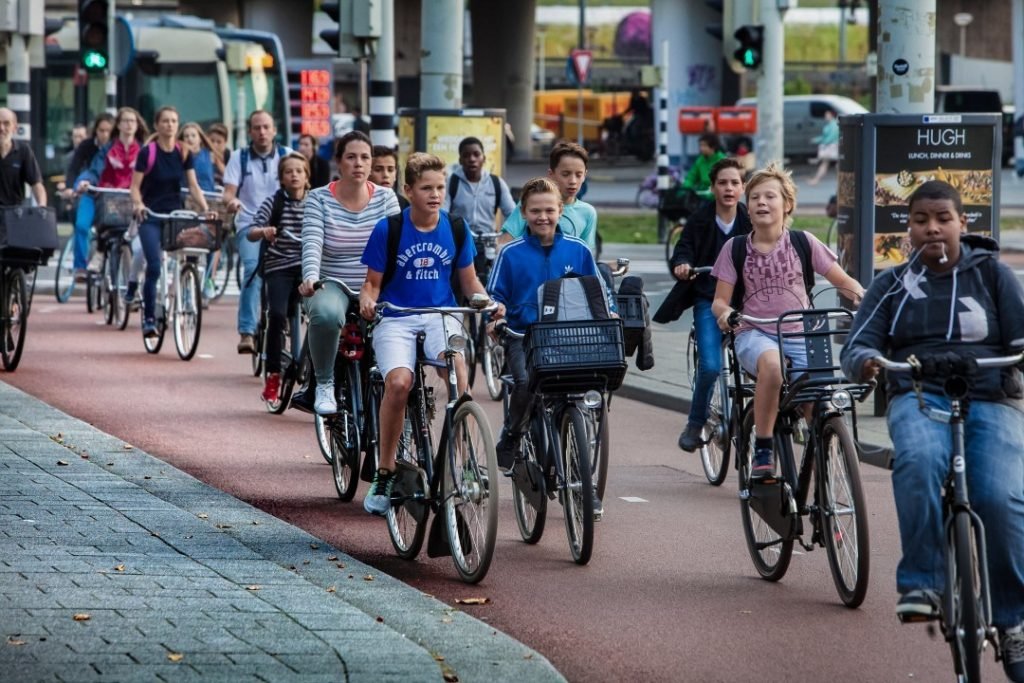
Cycling in the Netherlands isn’t just a recreational activity—it’s a deeply embedded part of daily life. Around 27% of all trips made in the country are by bicycle. Children cycle to school, adults commute to work, and the elderly use bikes for errands. From city centers to rural towns, you’ll see bikes everywhere, signaling how central cycling is to Dutch identity and sustainability efforts.
- World-Class Infrastructure
The Dutch have invested heavily in cycling infrastructure. There are over 35,000 kilometers of dedicated bike paths, often physically separated from motor traffic. Most cities and towns feature clearly marked bike lanes, protected intersections, and bicycle-specific traffic lights. Even bridges and tunnels often include bike-friendly routes, making cycling both safe and efficient.
- Flat Terrain and Pleasant Rides
One of the biggest perks for cyclists in the Netherlands is the landscape itself. The country is predominantly flat, making it accessible for riders of all ages and fitness levels. You won’t need to conquer steep hills or challenging terrain—just enjoy smooth, scenic rides through fields, forests, and along canal-lined paths.
- Bike Rentals Are Everywhere
Whether you’re in Amsterdam, Utrecht, or a smaller village, bike rentals are easy to find. Major cities have international and local rental services offering hourly, daily, or weekly rates. OV-fiets, a nationwide bike-sharing program linked to the Dutch railway system, is perfect for commuters and tourists alike. Many hostels and hotels also offer bikes for rent or free use.
- Scenic Routes Abound
Cycling in the Netherlands isn’t limited to city streets. Some of the most iconic rides include:
- The Flower Route (Bollenstreek): A stunning springtime journey through tulip fields near Lisse and Keukenhof.
- The North Sea Cycle Route: A coastal ride through sand dunes and seaside towns.
- Kinderdijk: A UNESCO World Heritage site where you can ride past 18th-century windmills.
- Giethoorn: Often called the “Venice of the North,” this village offers peaceful paths alongside canals.
These routes are well-marked and designed to offer both beauty and tranquility.
- Cycling Laws and Etiquette
Although cycling is relaxed and enjoyable, the Dutch do follow certain rules:
- Always ride on the right-hand side of the bike path.
- Use hand signals when turning.
- Yield to pedestrians and be aware at intersections.
- Helmets are not mandatory for adults but are recommended for children and tourists.
- Avoid using phones or wearing headphones while cycling.
Breaking traffic rules can result in fines, so it’s important to cycle responsibly.
- Parking Your Bike (and Locking It)
Bike parking is both common and necessary in Dutch cities, where thousands of bikes line the streets. You’ll find designated bike racks near train stations, shopping areas, and public buildings. However, bike theft is a concern, especially in big cities. Always lock your bike with at least one strong lock, preferably securing it to a rack or pole. Many locals use two locks—one for the frame and one for the wheel.
- Cycling with Kids and Families
Family cycling is a common sight in the Netherlands. You’ll often see parents with bakfietsen (cargo bikes) carrying children, groceries, or even pets. There are also tandem bikes, kids’ seats, and trailer options available. Many Dutch children learn to cycle at a very young age, and it’s not unusual to see toddlers confidently riding along quiet village paths or parks.
- Combining Trains and Bikes
One of the best aspects of cycling in the Netherlands is how seamlessly it integrates with public transport. Bikes are welcome on many trains during off-peak hours with a small bike day-pass (fietskaart). This allows you to travel between cities and continue your journey on two wheels. Train stations often have massive bike parking facilities, and in cities like Utrecht, these garages can hold thousands of bicycles.
- Cycling Events and Culture
Cycling is more than a mode of travel—it’s a celebrated part of Dutch culture. Throughout the year, you can participate in or watch events like:
- Fietselfstedentocht: A one-day 235 km tour through 11 cities in Friesland.
- Cycle to Work Day: Encouraging commuting by bike across the country.
- Amsterdam Cycling Festival: Celebrating urban cycling, design, and innovation.
In everyday life, you’ll also see the influence of cycling in local art, advertisements, fashion, and even urban design.
Where to stay in Netherlands
- Amsterdam – Best for First-Time Visitors
- Why stay here: Iconic canals, museums (like the Van Gogh and Rijksmuseum), nightlife, and bike tours.
- Best areas: Jordaan (charming), De Pijp (trendy), Centrum (central but busy).
- Recommended stays: Boutique hotels, canal-view apartments, budget hostels like Clink noord or Stayokay Vondelpark.
- Rotterdam – Best for Modern Architecture & Nightlife
- Why stay here: Europe’s largest port, bold modern design, and great food scene.
- Best areas: City Center, Kop van Zuid.
- Accommodation types: Design hotels, waterfront apartments.
- Utrecht – Best for a Local Vibe
- Why stay here: Less touristy, beautiful canals, student energy.
- Best areas: Binnenstad (historic center), Lombok (vibrant and diverse).
- Recommended stays: Quaint B&Bs, stylish guesthouses.
Things to Do in the Netherlands
- Explore Amsterdam’s Canals and Museums
- Take a canal cruise or rent a bike to explore the city.
- Visit world-class museums like the Rijksmuseum, Van Gogh Museum, and Anne Frank House.
- Stroll through Jordaan or shop in the Nine Streets (De Negen Straatjes).
- Visit Keukenhof and the Tulip Fields (Spring Only)
- Open March to May, Keukenhof Gardens is a floral wonderland.
- Cycle through nearby Bollenstreek to see endless tulip fields in bloom.
- Tour Windmills at Kinderdijk or Zaanse Schans
- Kinderdijk (UNESCO-listed) features 19 historic windmills in a classic polder landscape.
- Zaanse Schans offers working windmills, cheese-making, and traditional crafts.
Day Trips within the Netherlands
- Zaanse Schans (from Amsterdam – 20 min)
- Visit traditional windmills, wooden houses, and cheese farms.
- Great for history and Dutch crafts like clog-making.
- Keukenhof & Tulip Fields (from Amsterdam or Leiden – 30–45 min, seasonal: March–May)
- Stroll through 7 million flowers and bike around nearby tulip fields.
- Delft (from The Hague or Rotterdam – 15–30 min)
- Known for its blue pottery, Vermeer, and beautiful canals.
- A charming town with great shopping and peaceful vibes.