
Introduction
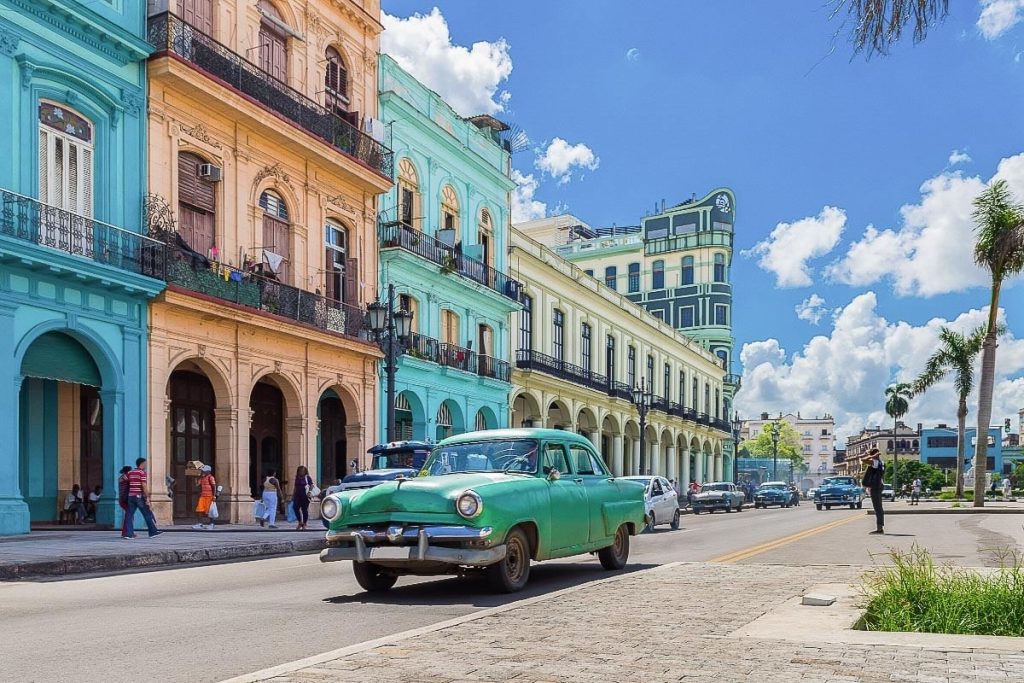
Cuba is a vibrant Caribbean island nation known for its rich culture, colonial architecture, and beautiful beaches. It boasts a unique blend of Spanish, African, and Caribbean influences reflected in its music, food, and traditions. Havana, the capital, is famous for its colorful streets, classic cars, and lively salsa scene. Beyond the cities, Cuba offers stunning natural landscapes like the Viñales Valley and pristine coastlines. With a complex history shaped by revolution and resilience, Cuba continues to captivate travelers with its warmth, charm, and timeless atmosphere.
- Best Time to Visit Cuba
The best time to visit Cuba is from November to April, which is the dry season with pleasant temperatures averaging 24-27°C (75-81°F). This period offers sunny days and less humidity, making it ideal for beach time, sightseeing, and outdoor activities. The wet season runs from May to October and brings heavy but usually short tropical showers and a higher risk of hurricanes, especially between August and October. If you don’t mind occasional rain, traveling in the off-peak season can mean fewer tourists and lower prices.
- Getting There and Visa Requirements
Most international visitors arrive via Havana’s José Martí International Airport (HAV). Flights come from many countries, including the US, Canada, Europe, and Latin America. Visitors from many countries require a tourist visa (tourist card), which is often provided by airlines or travel agencies, or can be obtained at Cuban consulates before travel. It’s important to have your visa sorted before arrival. US travelers should check the latest travel regulations, as Cuba-US relations and travel restrictions can change.
- Currency and Money Matters
Cuba has a unique dual currency system, but since 2021, the Cuban Convertible Peso (CUC) was phased out, and the Cuban Peso (CUP) is now the primary currency for all transactions. Tourists will primarily use CUP, but exchange rates and practices can still be confusing.
- Bring Euros, Canadian dollars, or British pounds to exchange, as US dollars incur a hefty exchange fee.
- ATMs are limited and often only accept cards issued outside the US.
- Credit cards issued by US banks generally don’t work in Cuba, so bring enough cash and exchange it upon arrival at official exchange points or banks.
- Always check current currency policies before traveling, as these can change.
- Where to Stay: Accommodation Options
Cuba offers a range of accommodations:
- Hotels and Resorts: Ranging from luxury to mid-range, mostly government-run. Varadero and Havana have many options.
- Casas Particulares: Private homestays similar to B&Bs, which offer a more authentic Cuban experience and help support local families. They are often more affordable and provide a chance to connect with locals.
- Hostels and Guesthouses: Popular among backpackers and budget travelers, especially in cities like Havana and Trinidad.
Booking in advance is recommended, especially in peak season.
- Getting Around Cuba
Public transport in Cuba is limited but evolving:
- Taxis: Widely used; you can choose between regular taxis, shared taxis (“almendrones” – vintage cars that run fixed routes), and official tourist taxis.
- Car Rentals: Renting a car can be expensive and complicated but is the best way to explore remote areas and travel at your own pace. Driving licenses from most countries are accepted, but insurance is mandatory.
- Buses: Viazul is the main tourist bus service, reliable and affordable for intercity travel.
- Bicycles and Motorbikes: In some areas like Viñales, renting bikes is popular.
Always agree on taxi fares beforehand, as meters aren’t commonly used.
- Must-Visit Destinations
- Havana: The capital, known for its colorful colonial architecture, classic American cars, vibrant nightlife, and cultural landmarks like the Malecón waterfront and Old Havana (a UNESCO World Heritage Site).
- Viñales Valley: Famous for stunning limestone mountains (mogotes), tobacco farms, and caves. Perfect for hiking, horseback riding, and nature lovers.
- Trinidad: A charming colonial town with cobblestone streets, historic plazas, and nearby beaches like Playa Ancon.
- Varadero: Cuba’s most famous beach resort with white sand beaches and crystal-clear waters.
- Santiago de Cuba: The island’s second-largest city, known for Afro-Cuban culture, music, and carnival celebrations.
- Cienfuegos: Called the “Pearl of the South,” this coastal city features French-inspired architecture and a lively bay area.
- Cuban Cuisine and Dining Tips
Cuban cuisine is simple but flavorful, influenced by Spanish, African, and Caribbean cultures.
- Try ropa vieja (shredded beef stew), moros y cristianos (black beans and rice), lechón asado (roast pork), and fresh seafood.
- Street food and small paladares (private restaurants) offer tasty and affordable meals.
- Tap water is not potable; always drink bottled water.
- Food shortages can occasionally affect availability, so try local specialties when you get the chance.
- Don’t miss Cuban coffee — strong and sweet.
- Language and Communication
Spanish is the official language. English is spoken in tourist areas but not universally.
- Learning some basic Spanish phrases will enhance your experience.
- Internet access is limited and often expensive, available mainly through Wi-Fi hotspots at hotels or public parks.
- Purchase Internet cards (sold at ETECSA offices) for Wi-Fi access.
- Cultural Etiquette and Safety
Cubans are known for their warmth and friendliness.
- Greet people with a polite “hola” or “buenos días.”
- Tipping is customary in restaurants and taxis.
- Dress modestly when visiting churches or formal sites.
- Cuba is generally safe for tourists, with low violent crime rates, but petty theft like pickpocketing can occur in crowded areas.
- Avoid discussing politics with strangers, as Cuba’s political system is sensitive.
- Things to Do and Experiences Not to Miss
- Dance and Music: Experience live salsa, son, and rumba in Havana’s clubs or local casas de la música.
- Classic Car Tours: Ride in a vintage American car through Havana’s streets for a nostalgic trip back in time.
- Explore Cigar Factories: Learn about Cuba’s famous cigars, especially in Viñales and Havana.
- Visit Museums and Historic Sites: Including the Museum of the Revolution and Ernest Hemingway’s home.
- Beach and Water Activities: Snorkeling, diving, and relaxing on pristine beaches.
- Nature Excursions: Hiking in the Sierra Maestra mountains or birdwatching in Zapata Swamp.
Where to stay in Cuba
- Hotels and Resorts
- State-run hotels are common, especially in major cities and beach resorts like Havana, Varadero, and Cayo Coco.
- They range from luxury to mid-range, often offering amenities like pools, restaurants, and guided tours.
- Ideal for travelers seeking convenience, security, and services but can feel less personal.
- Examples: Hotel Nacional de Cuba (Havana), Melia Varadero (Varadero), Iberostar Parque Central (Havana).
- Casas Particulares (Private Homestays)
- These are private homes licensed to rent rooms to tourists, similar to B&Bs.
- Staying in a casa is a great way to experience authentic Cuban life, meet locals, and enjoy home-cooked meals.
- Usually more affordable than hotels, with prices varying depending on location and comfort.
- Found throughout the country, especially in Havana, Trinidad, Viñales, and smaller towns.
- Booking can be done through platforms like Airbnb, Cuba Travel websites, or on arrival.
- Hostels and Guesthouses
- Popular with budget travelers and backpackers.
- Offer dorm beds and private rooms, sometimes with communal kitchens.
- Found mostly in Havana and some tourist towns like Trinidad.
- A social option if you want to meet fellow travelers.
Things to Do in Cuba
- Explore Old Havana (Habana Vieja)
Wander through the cobblestone streets of Havana’s historic center, a UNESCO World Heritage site. Visit iconic landmarks like Plaza Vieja, Cathedral of Havana, and El Malecón seawall. Don’t miss the vibrant street art, vintage cars, and lively cafés.
- Ride in a Classic American Car
Hop into a colorful 1950s vintage car for a unique sightseeing tour of Havana. These iconic cars are a symbol of Cuba’s past and make for amazing photo ops.
- Visit Viñales Valley
Discover stunning karst landscapes, tobacco farms, and caves in this lush valley. You can hike, horseback ride, or take guided tours to learn about traditional cigar making.
Day trip from Cuba
- Vinales Valley
- About 2–3 hours west of Havana.
- Famous for stunning limestone mogotes, tobacco plantations, and caves like Cueva del Indio.
- Activities: horseback riding, hiking, visiting local farms, and boat rides through caves.
- Las Terrazas Eco-Community
- About 1.5 hours from Havana.
- A lush, sustainable village in the Sierra del Rosario mountains.
- Explore waterfalls, coffee farms, and nature trails. Great for hiking and birdwatching.
- Playa Santa Maria
- Around 1.5 hours from Havana.
- A beautiful, calm beach ideal for swimming and snorkeling.