
Introduction
Cuba is a Caribbean island known for its rich history, vibrant culture, and beautiful beaches. It’s famous for classic vintage cars, lively salsa music, and colorful colonial towns like Havana. The island offers a mix of stunning natural landscapes and a unique, nostalgic atmosphere that draws travelers seeking an authentic and memorable experience.
- A Land Rich in History and Culture
Cuba’s history is fascinating and deeply intertwined with its culture. From its indigenous roots to Spanish colonialism, the revolutionary era led by Fidel Castro, and its ongoing transformation, Cuba offers travelers a chance to explore a country where every street corner, building, and story has meaning. The capital, Havana, is a living museum with cobbled streets, pastel-colored buildings, and vintage cars that have become symbols of the island’s charm. For first-time visitors, understanding Cuba’s complex past enhances the experience and appreciation of its people and traditions. - Getting There and Entry Requirements
Most international travelers arrive in Cuba through José Martí International Airport in Havana. Depending on your country of origin, you might need a tourist visa (often called a tourist card), which is usually easy to obtain through airlines, travel agencies, or online before your trip. It’s important to check your country’s specific requirements, as Cuba maintains some travel restrictions, especially for U.S. citizens. Passport validity is generally six months beyond the travel dates. - Currency and Money Matters
Cuba has a unique dual currency system. Tourists primarily use the Cuban Convertible Peso (CUC), but this system is evolving. Cash (preferably Euros, Canadian Dollars, or Pounds) is usually best, as credit and debit cards from many international banks often don’t work. ATMs are available in major cities, but it’s wise to bring enough cash for smaller towns and unexpected expenses. Also, be aware of the extra 10% government tax when exchanging U.S. Dollars. - Language and Communication
Spanish is the official language, and while some people in tourist areas speak English, it’s helpful for first-timers to learn basic Spanish phrases. Simple greetings, asking for directions, or ordering food can go a long way in making connections with locals. Many Cubans are friendly and appreciate the effort, which can open doors to authentic experiences. - Transportation in Cuba
Public transportation options include buses, shared taxis (known as “colectivos”), and classic American cars that often serve as informal taxis. The state-run Viazul bus is a reliable and affordable choice for traveling between major cities. For more flexibility, renting a car is possible but can be costly and challenging due to limited availability. Plan your routes ahead and be prepared for a slower pace of travel, which is part of the Cuban charm. - Accommodation Options
In addition to hotels, Cuba has a unique system called “casas particulares” — private homes licensed to host tourists. Staying in a casa particular allows first-time travelers to experience Cuban daily life, enjoy home-cooked meals, and support local families directly. These guesthouses are often more affordable and offer a warm, personal touch compared to large hotels. - Food and Drink
Cuban cuisine is a delightful mix of Spanish, African, and Caribbean influences. Staples include rice and beans, plantains, fresh seafood, and tropical fruits. Popular dishes to try are “ropa vieja” (shredded beef stew), “moros y cristianos” (black beans and rice), and “tostones” (fried plantains). Don’t miss sipping on a classic mojito or Cuban coffee. Dining at local paladares (private restaurants) is highly recommended for authentic flavors. - What to See and Do
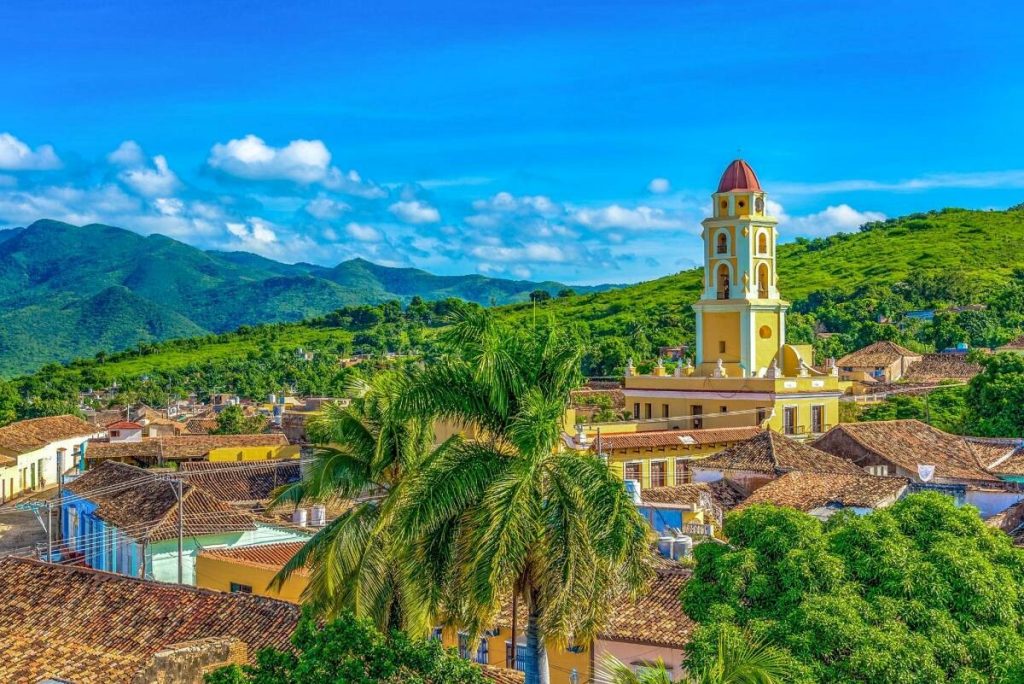
For first-timers, Havana’s Old Town (Habana Vieja) is a must-see, with its vibrant plazas, historic forts, and museums. Outside Havana, explore Viñales Valley, known for its dramatic limestone hills and tobacco farms. Varadero offers stunning beaches, while Trinidad is famed for its well-preserved colonial architecture and lively music scene. Cultural experiences like salsa dancing, cigar factory tours, and attending a live music performance enrich the visit. - Health and Safety Tips
Cuba is generally safe for tourists, with low crime rates compared to many other Caribbean destinations. Still, standard precautions apply — keep an eye on your belongings and avoid poorly lit areas at night. Health services are good in urban centers, and many travelers recommend carrying basic medications and insect repellent. Tap water is not safe to drink, so stick to bottled water. Travel insurance with medical coverage is highly advised. - Embracing the Cuban Experience
The true magic of Cuba lies in its slower pace and warm hospitality. Be open to conversations, try local customs, and embrace the spontaneity that comes with traveling in a country where time seems to stand still. While infrastructure might not be as modern as in other places, the authentic cultural encounters and stunning landscapes make every moment memorable. Respect the local environment and traditions, and you’ll leave Cuba with stories and friendships that last a lifetime.
Where to stay in Cuba
- Hotels
Cuba has a range of government-run hotels, mostly concentrated in Havana, Varadero, and major tourist spots. These range from luxury resorts to more modest accommodations. They offer standard amenities but can sometimes feel a bit impersonal. Ideal for travelers who want convenience and reliable service. - Casas Particulares (Private Guesthouses)
One of the best ways to experience authentic Cuban life is by staying in a casa particular — a private home licensed to rent rooms to tourists. Casas offer a cozy, personal atmosphere, often with home-cooked meals and direct interaction with Cuban hosts. They are generally more affordable than hotels and available in almost every town and city. - Boutique Hotels and Hostels
In Havana and other big cities, you’ll find boutique hotels that blend Cuban charm with modern comforts. These are great for travelers who want a stylish, intimate stay with personalized touches. Hostels are also popping up, catering to younger travelers and backpackers looking for budget options and social environments.
Things to do in Cuba
- Explore Old Havana (Habana Vieja)
Wander through cobblestone streets lined with colorful colonial buildings, historic plazas, art galleries, and cafes. Don’t miss:
- Plaza Vieja
- El Capitolio
- Castillo de la Real Fuerza
- Cathedral of Havana
- Ride in a Classic American Car
One of the most iconic Cuban experiences is cruising through Havana in a 1950s convertible. Book a guided tour or hire a driver for an unforgettable ride along the Malecon.
- Visit Vinales Valley
Located in western Cuba, Viñales is famous for its dramatic limestone mountains (mogotes), tobacco farms, and horseback rides through lush countryside. It’s a UNESCO World Heritage Site and a peaceful escape from city life.
Day trip from Cuba
- Vinales Valley
- Why go stunning countryside, tobacco farms, horseback riding, caves, and mountain views.
- Travel time: ~2.5 hours
- Tip: Book a tour or shared taxi early in the morning for a full-day visit.
- Las Terrazas
- Why go: Eco-village with ziplining, hiking, and river swimming. Great for nature lovers.
- Travel time: ~1.5 hours
- Tip: Try the coffee grown on-site at Café Maria.
- Playas del Este
- Why go: Nearest beaches to Havana—great for a quick beach break.
- Travel time: ~30 minutes
- Tip: Santa María del Mar is the most popular stretch.