
Introduction
Colombia is a diverse and vibrant country located in the northwest corner of South America, bordered by the Caribbean Sea and the Pacific Ocean. Known for its rich culture, stunning landscapes, and warm hospitality, Colombia offers a mix of colonial cities, tropical beaches, rainforests, mountains, and coffee plantations. The country has transformed over the years into a safe and popular travel destination. Major cities like Bogota (the capital), Medellin, Cartagena, and Cali each have unique charm and history. Colombia is also the world’s third-largest coffee producer and home to natural wonders like the Amazon rainforest and the Andes Mountains.
- Introduction: Why Coffee Tours Are a Must in Colombia
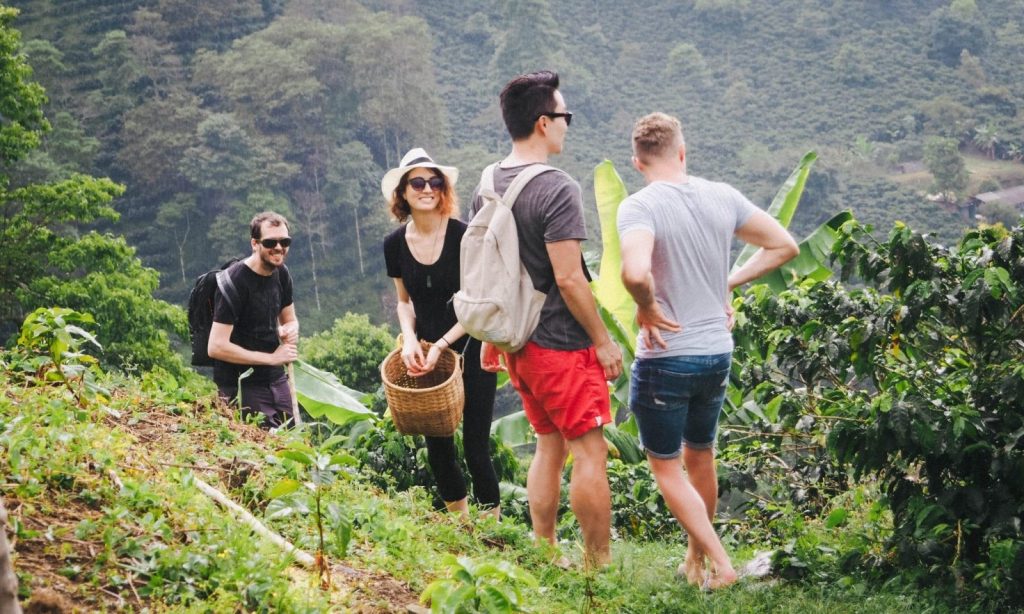
Colombia isn’t just one of the world’s top coffee producers—it’s a country where coffee is deeply woven into the culture, economy, and identity of its people. Exploring a Colombian coffee farm is more than just tasting fresh brews; it’s a journey through scenic landscapes, sustainable agriculture, and rural traditions. A coffee farm tour (known as a “finca cafetera” visit) gives travelers a hands-on experience of how coffee is cultivated, harvested, processed, and enjoyed, all while surrounded by stunning mountain backdrops.
- Where to Go: Colombia’s Coffee Triangle
The heart of Colombian coffee culture lies in the Coffee Triangle, also called the Eje Cafetero. This region encompasses three departments—Caldas, Quindío, and Risaralda—with charming towns like Salento, Manizales, Armenia, and Pereira serving as ideal bases. The area features UNESCO-listed coffee cultural landscapes, lush hills, and perfect growing conditions. It’s here that you’ll find dozens of welcoming coffee farms, from small family-run operations to large, eco-conscious estates offering full-day tours.
- What to Expect on a Coffee Tour
Most coffee tours follow a similar pattern: you will start with a walk through the plantation where guides explain the life cycle of a coffee plant—from seed to harvest. Then, you’ll visit the processing area to learn about fermentation, drying, and roasting. Finally, there’s a cupping session—a tasting of different brews to identify flavors, aromas, and textures. Many tours also include lunch or snacks, and some offer barista workshops or even overnight stays in farmhouses.
- Top Coffee Farms to Visit Near Salento
Salento is one of the most popular places to take a coffee tour. Notable farms include Finca El Ocaso, known for its professional bilingual guides and scenic location above the Quindío River. Another favorite is Don Elias Coffee Farm, a smaller, organic farm that emphasizes traditional, sustainable methods. Both offer excellent short and extended tours, and they’re accessible via a short jeep ride or hike from town. These tours are a fantastic addition to a visit to nearby Cocora Valley.
- Boutique and Eco-Friendly Farms
Colombia is increasingly embracing eco-tourism, and many coffee farms are environmentally conscious. Hacienda Venecia, near Manizales, offers eco-lodge accommodations and focuses on sustainable coffee production. It is a great place to relax and truly absorb the coffee-growing lifestyle. Farms like Finca La Rivera in Armenia or Cafe San Alberto in Buenavista take pride in their environmental practices and often combine coffee education with spectacular views, art, and even birdwatching.
- Learn from the Coffee Farmers Themselves
One of the most rewarding parts of a coffee tour is meeting the farmers and workers who make it all happen. Many are part of generations-old traditions, with stories and techniques passed down through the years. On smaller, family-run farms, you can chat directly with the owners or workers, and sometimes even help pick beans during harvest. These interactions offer cultural insights that no textbook or travel guide can match.
- Coffee Tours Beyond the Triangle
While the Coffee Triangle is the most famous area, Colombia’s coffee culture extends well beyond it. In Medellin, for instance, you can take day trips to farms in Fredonia, Jardin, or Santa Elena. Near Bogota, Hacienda Coloma in Fusagasuga offers a lovely introduction to coffee cultivation with manicured grounds and guided tastings. In the north, Sierra Nevada de Santa Marta is home to indigenous coffee farms that practice organic and spiritual farming—often connected to the Arhuaco community.
- Activities Beyond Coffee
Many coffee farms in Colombia now combine coffee experiences with outdoor activities like hiking, horseback riding, birdwatching, and cooking classes. At farms like Recuca (Recorrido de la Cultura Cafetera), the tours include interactive, theatrical elements, traditional clothing, and local food—making it a fun and immersive cultural experience. For those who love nature and learning, these farms are a great way to spend a whole day outdoors while still gaining valuable insights.
- Best Time to Visit Coffee Farms
Coffee can be harvested year-round in Colombia due to the country’s equatorial climate, but the two main harvest seasons are April–June and September–December. Visiting during these times gives you a better chance of seeing the full process, including bean picking and fermentation. Weather in the Coffee Region is pleasant year-round, though it can be rainy—so pack accordingly. Early mornings are best for tours due to clear skies and farm schedules.
- Final Thoughts: Why Coffee Tourism Matters
Coffee tourism in Colombia is more than a trend—it’s a meaningful way to support local farmers, sustainable agriculture, and rural communities. By visiting these farms, travelers not only learn where their coffee comes from but also contribute directly to the preservation of traditional knowledge and fair labor practices. Plus, the combination of hospitality, breathtaking scenery, and world-class coffee makes for an unforgettable experience. Whether you’re a casual drinker or a dedicated coffee enthusiast, Colombia’s coffee farms offer a perfect blend of education, flavor, and adventure.
Where to Stay in Colombia
- Cartagena – For History, Culture & Caribbean Vibes
- Luxury: Casa San Agustin, Sofitel Legend Santa Clara – Gorgeous colonial-style hotels in the walled city.
- Mid-range: Hotel Don Pedro de Heredia, Movich Cartagena de Indias – Charming, central locations with rooftop views.
- Budget: Media Luna Hostel, The Clock Hostel – Great for backpackers, with social vibes and affordable dorms.
- Best area: Walled City (Centro Histórico) or Getsemaní for nightlife and street art.
- Medellin – For Urban Cool & Mountain Views
- Luxury: The Charlee Hotel, InterContinental Medellín – Chic design and top-tier service.
- Mid-range: Hotel 23, Hotel Poblado Alejandría – Stylish and well-located in El Poblado.
- Budget: Los Patios Hostel, Selina Medellín – Excellent for digital nomads and solo travelers.
- Best area: El Poblado (safe, trendy, lots of cafes and nightlife), or Laureles for a quieter, local feel.
- Bogotá – For Museums, Food & Culture
- Luxury: JW Marriott, Four Seasons Casa Medina – Upscale options with international standards.
- Mid-range: Hotel BH Bicentenario, Casa Deco – Great value in central locations.
- Budget: Masaya Bogotá, Selina La Candelaria – Social atmosphere in the historic district.
- Best area: Chapinero (cool and diverse), or La Candelaria for historical charm and walking tours.
Things to Do in Colombia
- Explore the Walled City of Cartagena
Walk through the cobbled streets of Cartagena’s historic center, a UNESCO World Heritage site. Admire colonial architecture, visit San Felipe Castle, shop at local markets, and enjoy sunset drinks on the city walls. Don’t miss the street performers and vibrant nightlife in nearby Getsemaní.
- Visit a Coffee Farm in the Coffee Region
Tour a traditional finca in the Coffee Triangle (Salento, Armenia, or Manizales). Learn how coffee is grown and processed, taste fresh brews, and enjoy panoramic views of lush green hills and wax palm forests in the Cocora Valley.
- Trek to the Lost City (Ciudad Perdida)
Embark on a 4- to 6-day jungle trek to the ancient Ciudad Perdida, a sacred archaeological site older than Machu Picchu. The trail winds through rivers, rainforest, and indigenous villages in the Sierra Nevada de Santa Marta.
Day Trips from in Colombia
From Bogota
Zipaquira & the Salt Cathedral
- Highlights: A breathtaking underground cathedral carved from salt rock, considered one of Colombia’s most unique landmarks.
- Travel time: 1.5 hours from Bogotá
- Also visit: Zipaquira’s charming colonial town square
Villa de Leyva (long day trip)
- Highlights: Cobblestone streets, whitewashed buildings, and a massive town square.
- Travel time: ~3.5 hours (best with a private car or early bus)
- Tip: Pair with Raquira for artisan shopping
From Medellín
Guatape & El Penol Rock
- Highlights: Colorful town with zócalos (painted tiles) and the iconic climb up El Penol Rock (740 steps!) for panoramic lake views.
- Travel time: 2 hours
- Activities: Boat rides, jet skis, lakeside dining
Santa Fe de Antioquia
- Highlights: Colonial town known for cobblestone streets and the Puente de Occidente (Western Bridge).
- Travel time: ~1.5 hours
- Vibe: Laid-back, very photogenic, warm climate
From Cartagena
Rosario Islands
- Highlights: White-sand beaches, crystal-clear water, snorkeling, and coral reefs.
- Travel time: 45-minute boat ride
- Tour types: Day tours with lunch, beach clubs, or private islands
Totumo Mud Volcano
- Highlights: Climb a mini-volcano and soak in a warm mud bath, followed by a river rinse.
- Travel time: ~1–1.5 hours
- Fun fact: Locals offer massages in the mud!