
Introduction
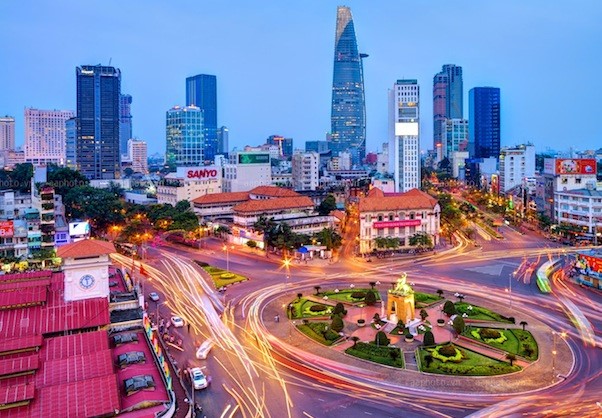
Vietnam is a Southeast Asian country known for its rich history, vibrant culture, and stunning natural landscapes. It stretches along the eastern coast of the Indochinese Peninsula and shares borders with China, Laos, and Cambodia. The country has a population of over 98 million and its capital is Hanoi, while Ho Chi Minh City (formerly Saigon) is its largest city.
- A Colonial Introduction with a Vietnamese Twist
Coffee was introduced to Vietnam by the French in the mid-19th century during colonial times. While the French brought Arabica beans and European-style café culture, the Vietnamese adapted it to local conditions. Due to Vietnam’s mountainous terrain and climate, Robusta beans thrived more than Arabica, leading to the rise of a strong, bitter coffee style that forms the foundation of Vietnamese brews today.
Over time, Vietnam transformed the European café experience into something distinctly its own — more casual, local, and innovative, with a strong emphasis on street-side socializing.
- Robusta Reigns Supreme
Vietnam is the world’s largest producer of Robusta coffee, a variety known for its high caffeine content and strong, bold flavor. Robusta beans are more bitter than the smoother Arabica beans and are typically grown in the Central Highlands region, especially in provinces like Đắk Lắk and Lâm Đồng.
This preference for Robusta defines much of Vietnam’s coffee profile: intense, earthy, and rich. Local brews often taste stronger than what many Westerners are used to, but they’re deeply satisfying and energizing.
- The Famous Phin Filter Brew
At the heart of Vietnamese coffee preparation is the phin filter — a small, metal drip brewer placed directly over a glass or cup. Ground coffee is placed into the filter, hot water is added, and the coffee slowly drips down.
This slow brewing method not only enhances the bold flavor of Robusta beans but also reflects the relaxed pace of Vietnamese coffee culture. It encourages people to sit, talk, and enjoy their surroundings rather than rush.
- Sweetened Condensed Milk: A Flavorful Necessity
One of the most iconic drinks in Vietnam is cà phê sữa đá — iced coffee with sweetened condensed milk. Because fresh milk was historically hard to find, condensed milk became the go-to. The thick, syrupy milk balances out the bitterness of the coffee, creating a rich and creamy contrast.
This blend has become a staple across Vietnam, especially in the hot southern regions, and is now beloved by coffee lovers around the world.
- Egg Coffee: A Unique Hanoi Delight
Cà phê trứng (egg coffee) is perhaps the most curious and beloved creation in Vietnam’s coffee scene. Invented in Hanoi in the 1940s when milk was scarce, this drink blends whipped egg yolks, sugar, and coffee into a frothy, custard-like beverage.
It’s usually served hot in a small cup sitting in a bowl of warm water to maintain its temperature. Creamy, sweet, and rich, egg coffee is often compared to tiramisu or dessert in a cup.
- Coffee as a Daily Ritual
In Vietnam, coffee is not just a drink — it’s a daily ritual and social activity. Locals gather in small roadside cafes or bring low plastic stools to sidewalks to sip coffee and watch the world go by. Conversations flow easily over a phin brew, and time often seems to slow down in these moments.
Whether it’s a businessman starting his day or a student studying in a café, coffee is a vital part of Vietnamese daily life and rhythm.
- North vs. South Coffee Preferences
There’s a noticeable difference in coffee preferences between northern and southern Vietnam. In the north (especially in Hanoi), coffee tends to be stronger, thicker, and served hot more often, sometimes with egg or yogurt.
In the south, especially in Ho Chi Minh City, iced coffee is more popular, and drinks are typically sweeter. The hotter climate plays a role in this preference for chilled beverages, often loaded with crushed ice.
- Creative Coffee Variants
Vietnamese coffee culture is remarkably innovative and open to experimentation. In addition to egg coffee, you’ll find drinks like:
- Yogurt coffee (cà phê sữa chua): Tangy yogurt mixed with coffee.
- Coconut coffee (cà phê cốt dừa): Coffee blended with coconut cream and ice, creating a tropical smoothie-like treat.
- Salt coffee (cà phê muối): A newer trend from Huế where a pinch of salt is added to balance bitterness and enhance flavor.
These variations reflect a culture that’s both rooted in tradition and adventurous in taste.
- Rise of Modern Coffee Chains
While traditional street cafés still dominate, modern coffee chains have surged in popularity — both local and international. Brands like Trung Nguyên Legend, The Coffee House, and Highlands Coffee have established a strong presence with stylish interiors, air conditioning, and fast Wi-Fi.
These venues attract younger crowds and remote workers while still offering classic Vietnamese coffee drinks alongside international-style espresso, cappuccinos, and lattes.
- Coffee as an Economic Powerhouse
Vietnam’s coffee industry is not just cultural; it’s economically vital. The country exports billions of dollars’ worth of coffee each year, mainly Robusta, to countries around the world. Coffee farms, primarily in the Central Highlands, support millions of Vietnamese livelihoods.
Things to do in Vietnam
🇻🇳 Top Things to Do in Vietnam
- Cruise through Ha Long Bay
Sail among limestone karsts and emerald waters in this UNESCO World Heritage Site. You can take a day trip or overnight cruise and explore caves, floating villages, and hidden beaches.
- Explore the Old Quarter in Hanoi
Wander the narrow streets of Hanoi’s historic Old Quarter. Try street food, shop for local crafts, and enjoy strong Vietnamese coffee in a sidewalk café.
- Visit Hội An Ancient Town
This charming town is known for its lantern-lit streets, preserved architecture, tailor shops, and riverside restaurants. Don’t miss the Full Moon Lantern Festival if you’re there during the lunar cycle.
Where to stay in Vietnam
🇻🇳 Where to Stay in Vietnam
- Hanoi – Cultural Capital in the North
- Best Areas:
- Old Quarter: Ideal for first-time visitors, full of street food, culture, and budget to mid-range stays.
- Tay Ho (West Lake): Quieter, expat-friendly with boutique hotels and upscale accommodations.
- Recommended Stays:
- Luxury: Sofitel Legend Metropole Hanoi
- Mid-range: La Siesta Hotel Trendy
- Budget: Little Charm Hanoi Hostel
- Ha Long Bay – For Natural Scenery
- Best Experience: Stay on an overnight cruise for the full experience. Boats range from backpacker budget to 5-star floating hotels.
- Top Cruises:
- Luxury: Paradise Elegance, Orchid Cruise
- Mid-range: Peony Cruise, La Casta Cruise
- Budget: Rosa Boutique Cruise
- Sapa – Trekking and Mountain Views
- Best Areas:
- Sapa Town: Central and easy access to restaurants and trekking.
- Homestays in Villages: Great for cultural immersion (e.g., Ta Van, Lao Chai).
- Recommended Stays:
- Luxury: Hotel de la Coupole – MGallery
- Eco Stay: Topas Ecolodge (stunning views)
- Budget: Sapa Sisters Homestay
Day trip for Vietnam
🇻🇳 Top Day Trips in Vietnam
- Ha Long Bay from Hanoi
What to Expect:
- Limestone karsts, caves, and emerald waters.
- Boat cruise, kayaking, seafood lunch.
Travel Time: ~2.5–3 hours each way.
Tip: Choose a luxury day cruise if you want comfort without an overnight stay.
- Ninh Binh (Tam Coc/Trang An) from Hanoi
What to Expect:
- Boat ride through karst caves and rice paddies.
- Visit temples like Bich Dong Pagoda or Hoa Lu.
- Cycling through villages.
Travel Time: ~2 hours.
Tip: Trang An is more peaceful than Tam Coc, though both are beautiful.
- Cu Chi Tunnels from Ho Chi Minh City
What to Expect:
- Crawl through tunnels used during the Vietnam War.
- Learn about guerrilla warfare and history.
Travel Time: ~1.5–2 hours.
Tip: Combine with a short visit to the Cao Dai Temple in Tay Ninh.