
Introduction
Bulgaria is a country in Southeast Europe, located on the Balkan Peninsula. It is known for its diverse landscapes, including mountains, plains, and a beautiful coastline along the Black Sea. With a rich history dating back to ancient times, Bulgaria boasts cultural landmarks, traditional folklore, and vibrant cities like Sofia, its capital. The country is famous for its warm hospitality, delicious cuisine, and a mix of European and Balkan influences.
- Geography and Length of the Coastline
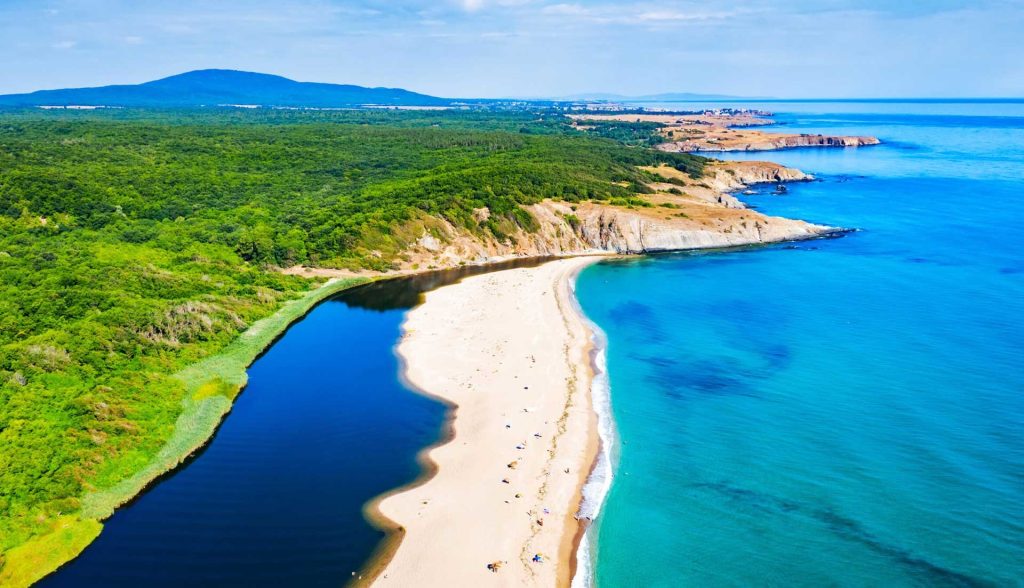
The Bulgarian Black Sea coast extends approximately 370 kilometers from the Romanian border in the north to the Turkish border in the south. It features a diverse landscape with sandy beaches, rocky cliffs, bays, and lagoons. This coastline is an essential part of Bulgaria’s geography, offering access to the Black Sea and serving as a major attraction for both tourists and locals. - Major Cities and Resorts
The coast is home to important cities like Varna and Burgas, which serve as economic and cultural hubs of the region. Varna, often called the “Sea Capital” of Bulgaria, is known for its vibrant nightlife, historical sites, and beautiful beaches. Burgas is a key port city with extensive coastal parks and a rich cultural calendar. In addition to these cities, popular resort towns like Sunny Beach, Golden Sands, and Nessebar attract millions of visitors annually with their lively entertainment, water sports, and family-friendly attractions. - Beaches and Natural Beauty
The Bulgarian Black Sea coast boasts some of the best beaches in Eastern Europe. From the long sandy stretches of Sunny Beach to the more tranquil coves near Sozopol, the variety is remarkable. The coastline features clean, warm waters, making it ideal for swimming and sunbathing during the summer months. Natural reserves such as the Kamchia Biosphere Reserve and the Ropotamo Nature Reserve protect coastal wetlands and offer opportunities for eco-tourism and wildlife watching. - Rich Historical Heritage
The coast is dotted with ancient ruins and historic sites that reveal Bulgaria’s long and varied past. Nessebar, a UNESCO World Heritage Site, is an ancient town with ruins dating back over 3,000 years, including Byzantine churches and Roman baths. Other historic sites include the Thracian tombs, medieval fortresses, and remnants of ancient Greek and Roman settlements along the coast, offering visitors a glimpse into the region’s deep historical roots. - Climate and Weather
The Bulgarian Black Sea coast enjoys a moderate continental climate with Mediterranean influences, making it an excellent summer destination. Summers are warm and sunny, with temperatures often reaching 30°C (86°F), while winters are mild compared to the interior of Bulgaria. This pleasant climate supports a long tourist season, usually from May to September, ideal for beachgoers and outdoor activities. - Tourism and Economy
Tourism is a vital part of the economy along the Black Sea coast. The area attracts millions of international and domestic tourists each year, thanks to its resorts, cultural events, and natural attractions. Investments in infrastructure such as airports, roads, and hotels have boosted the region’s accessibility and appeal. Besides tourism, the coast supports fishing, shipping, and agriculture, contributing to Bulgaria’s overall economic development. - Cultural Events and Festivals
The coast hosts numerous cultural events, festivals, and concerts, especially in the summer months. Varna is famous for its annual International Ballet Competition, music festivals, and the Sea Garden’s open-air concerts. Nessebar holds traditional folklore festivals, showcasing Bulgarian music, dance, and crafts. These events enrich the cultural experience for visitors and help preserve local traditions. - Water Sports and Recreation
The Black Sea coast offers a wide range of water-based activities, including swimming, sailing, windsurfing, and scuba diving. The calm and relatively shallow waters make it ideal for beginners and families. There are also opportunities for fishing and boat tours that explore the coastline and nearby islands. Many resorts provide equipment rentals and professional instruction, making water sports accessible to all skill levels. - Cuisine and Local Specialties
Bulgarian coastal cuisine is heavily influenced by fresh seafood and Mediterranean flavors. Popular dishes include grilled fish, shrimp, and mussels, often accompanied by fresh vegetables, herbs, and Bulgarian yogurt. Traditional Bulgarian salads like Shopska are staples at seaside restaurants. Local wines and rakia (fruit brandy) complement the meals, offering visitors an authentic taste of the region. - Environmental Challenges and Conservation
While the coast is a major tourist magnet, it also faces environmental challenges such as pollution, overdevelopment, and habitat loss. Efforts are underway to balance tourism growth with ecological sustainability. Protected areas and national parks help preserve fragile ecosystems. Local authorities and environmental groups promote responsible tourism, waste management, and conservation initiatives to ensure the Black Sea coast remains a pristine destination for future generations.
Where to Stay in Bulgaria
- Sofia – The Capital City
Ideal for travelers interested in history, culture, and urban life. Sofia offers a mix of budget hostels, mid-range hotels, and luxury accommodations. Stay near the city center to be close to landmarks like Alexander Nevsky Cathedral, Vitosha Boulevard, and museums. Great for exploring museums, galleries, and vibrant nightlife. - Plovdiv – The Cultural Heart
Bulgaria’s second-largest city, famous for its Roman theater and old town charm. Accommodation ranges from boutique hotels in the historic district to modern hotels and guesthouses. Perfect for visitors interested in history, arts, and festivals. - Bulgarian Black Sea Coast
- Sunny Beach: Known for lively nightlife and long sandy beaches. Offers a wide range of hotels, from budget-friendly apartments to large all-inclusive resorts. Perfect for party-goers and families.
- Varna: Bulgaria’s “Sea Capital” with a blend of cultural sites and beaches. You’ll find seaside hotels, guesthouses, and luxury resorts. Ideal for a mix of beach time and city activities.
- Burgas: A quieter alternative to Sunny Beach, with family-friendly hotels, seaside parks, and easy access to natural reserves.
- Nessebar: A UNESCO World Heritage town with charming boutique hotels and guesthouses in a picturesque old town setting. Best for a romantic or cultural stay.
- Sozopol: A historic coastal town with a cozy atmosphere, featuring boutique hotels and traditional guesthouses close to the beach.
Things to Do in Bulgaria
- Explore Sofia’s Historic Landmarks
Visit the Alexander Nevsky Cathedral, Boyana Church (UNESCO site), and the ancient Roman ruins in the city center. Sofia blends modern urban life with rich history. - Wander Around Plovdiv’s Old Town
Stroll through cobbled streets, admire Roman amphitheater ruins, and check out vibrant street art. The city is one of Europe’s oldest continuously inhabited places. - Relax on the Black Sea Coast
Spend time on beaches like Sunny Beach or Golden Sands, swim in warm waters, and enjoy the nightlife. Visit charming towns like Nessebar and Sozopol for culture and history.
Day Trips from Bulgaria (Popular Bases)
From Sofia:
- Rila Monastery
Explore Bulgaria’s largest and most famous monastery, a UNESCO World Heritage site surrounded by stunning mountain scenery. It’s about 2 hours from Sofia. - Plovdiv
Visit Bulgaria’s second-largest city with its charming Old Town, Roman amphitheater, and vibrant arts scene. Around 1.5 to 2 hours by car or train. - Vitosha Mountain
Just outside Sofia, perfect for hiking, skiing (in winter), or simply enjoying panoramic views of the city.
From Varna (Black Sea Coast):
- Nessebar
A UNESCO-listed ancient town with cobblestone streets, medieval churches, and seaside views. Only about 40 minutes south of Varna. - Balchik Palace and Botanical Garden
Visit the charming Balchik Palace, once a summer residence for Romanian royalty, surrounded by beautiful gardens. Around 40 minutes from Varna. - Aladzha Monastery
A medieval rock monastery complex near Varna, carved into cliffs and surrounded by forest.
From Burgas:
- Pomorie
A small coastal town famous for its salt pans, mud baths, and old fortress. About 30 minutes from Burgas. - Sozopol
A historic seaside town with lovely beaches, ancient ruins, and a relaxed vibe. Around 40 minutes south of Burgas. - Ropotamo Nature Reserve
Boat trips through the reserve’s river and wetlands to see unique flora and fauna.