
Introduction
Tanzania is a country in East Africa known for its stunning natural beauty, diverse wildlife, and rich cultural heritage. It is home to famous landmarks like Mount Kilimanjaro—Africa’s highest peak—and the Serengeti National Park, renowned for the Great Wildebeest Migration. Tanzania also includes the Zanzibar Archipelago, a group of tropical islands with white-sand beaches and historic towns. With its blend of safaris, beaches, mountains, and friendly people, Tanzania offers an unforgettable travel experience.
- Dry Season (June to October): Ideal for Safaris
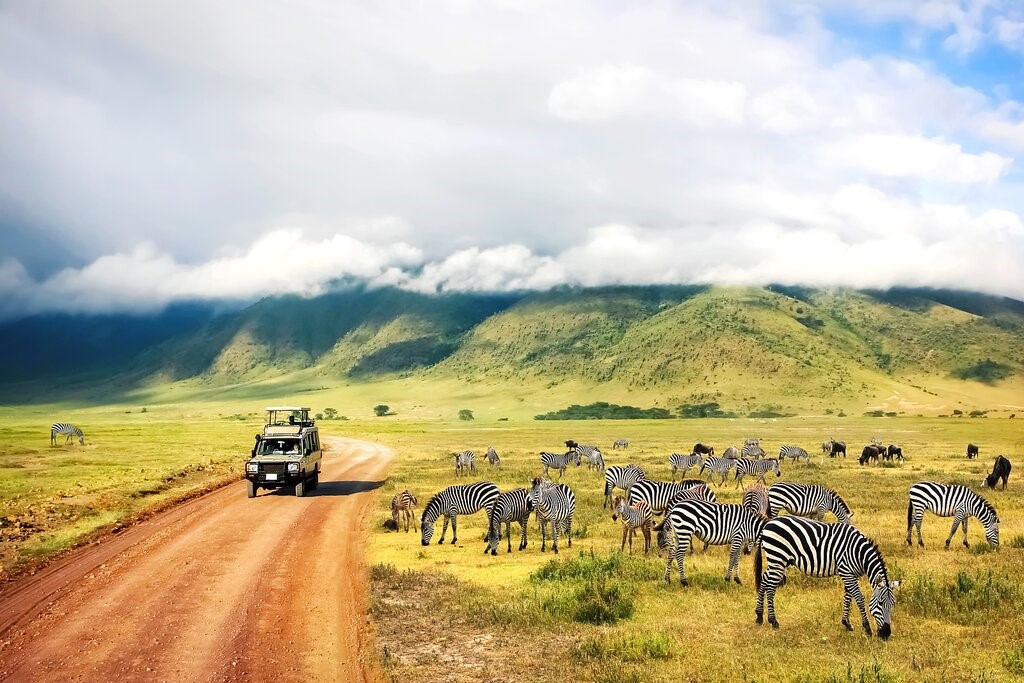
The dry season, from June to October, is widely regarded as the best time to visit Tanzania for wildlife safaris. During this period, the weather is warm and dry, and vegetation is thinner, making it easier to spot animals in national parks like the Serengeti, Tarangire, and Ngorongoro Crater. Water sources become scarce, so animals gather around rivers and waterholes, offering excellent game-viewing opportunities. This is also the peak tourist season, so it’s best to book accommodations and tours in advance. - The Great Wildebeest Migration (July to September)
One of the world’s most spectacular wildlife events, the Great Wildebeest Migration, occurs from July to September in northern Serengeti, when millions of wildebeest and zebras cross the Mara River. This dramatic river crossing, with predators lurking in the waters and along the banks, draws visitors from around the globe. If seeing this migration is a top priority, plan your trip for these months and stay near the northern Serengeti or Masai Mara region. - Calving Season (January to March)
While many travelers focus on the dry season, the calving season from January to March in the southern Serengeti is another fantastic time to visit. During this period, over 500,000 wildebeest give birth, attracting predators such as lions and cheetahs, resulting in incredible wildlife action. The landscapes are green and lush after the short rains, making it a picturesque and rewarding time for photographers and safari lovers. - Climbing Mount Kilimanjaro (Best Months: January–March & June–October)
If you’re planning to climb Mount Kilimanjaro, Africa’s tallest mountain, the best times are January to March and June to October. These months offer the most stable weather and clearer skies, reducing the risk of rain and snow at higher altitudes. January to March is slightly quieter, while June to October is busier but drier. Proper preparation and choosing the right season are key for a safe and successful trek. - Green Season (November to May): Fewer Crowds, Lower Prices
The green season, especially from March to May, is the low tourist season due to the heavier rains, but it has its own charm. Lush landscapes, abundant birdlife, and dramatic cloudscapes make it appealing to nature lovers and photographers. This season also offers discounted rates on accommodations and tours, making it ideal for budget-conscious travelers. While some roads may be muddy or impassable, many parks still remain accessible. - Birdwatching Opportunities (November to April)
For bird enthusiasts, November to April is the best time to visit Tanzania. This is the breeding season and also when migratory birds from Europe and Asia arrive. Wetlands and national parks such as Lake Manyara, Arusha National Park, and Selous Game Reserve become vibrant with activity. The lush, green environment and fewer tourists make for a peaceful birding experience. - Best Time for Zanzibar Beaches (June to October & December to February)
If you’re heading to the tropical paradise of Zanzibar, the best beach weather is during the dry months of June to October and December to February. These months bring sunny skies, warm temperatures, and calm seas—perfect for swimming, snorkeling, diving, or simply relaxing. Avoid the long rains in March to May, as heavy downpours can interrupt outdoor plans and affect water clarity for diving. - Cultural Festivals and Local Events
Tanzania hosts several vibrant cultural events that can enhance your visit. For example, the Zanzibar International Film Festival (ZIFF) usually takes place in July, drawing filmmakers and artists from across Africa. The Mwaka Kogwa Festival in July celebrates Persian New Year in Zanzibar with traditional rituals and music. Planning your trip around such events offers unique cultural insights and unforgettable local experiences. - Regional Weather Variations
Tanzania’s climate varies across regions. The northern circuit (Serengeti, Ngorongoro, Lake Manyara) experiences more consistent weather patterns suitable for year-round travel, while the southern and western parks (like Selous and Katavi) may become difficult to access during the rainy season. Coastal areas like Zanzibar are humid and tropical, with their own rainy and dry seasons. Understanding these variations helps you choose the right destinations depending on the time of year. - Planning Ahead for Peak Travel Times
Since the dry season (especially July to September) is the most popular time for tourists, it’s important to book early—flights, lodges, and safari tours can fill up quickly and prices may rise. If you’re looking for more exclusivity and value, consider traveling during the shoulder months like May or November, when the weather is still favorable, crowds are fewer, and rates are more reasonable. Proper planning ensures a smooth and rewarding Tanzanian adventure.
Where to Stay in Tanzania
- Serengeti National Park – For World-Class Safaris
If you’re coming for a safari, the Serengeti is a must. Choose from:
- Luxury: Four Seasons Safari Lodge, &Beyond Serengeti Under Canvas
- Mid-range: Serengeti Sopa Lodge, Kubu Kubu Tented Lodge
- Budget: Seronera Campsite, public campsites managed by TANAPA
- Ngorongoro Crater – For Dramatic Scenery & Wildlife
Stay near the crater rim for stunning views and easy access:
- Luxury: Ngorongoro Crater Lodge, The Highlands
- Mid-range: Ngorongoro Serena Safari Lodge, Rhino Lodge
- Budget: Simba Campsite
- Zanzibar – For Beaches & Culture
Zanzibar is perfect for relaxation and culture:
- Stone Town (culture & history): Park Hyatt Zanzibar, Emerson on Hurumzi
- Nungwi & Kendwa (beaches & nightlife): Zuri Zanzibar, The Z Hotel
- Paje & Jambiani (quiet, kite surfing): Kisiwa on the Beach, New Teddy’s on the Beach
Things to Do in Tanzania
- Go on a Safari in Serengeti National Park
Experience the iconic African wildlife up close—lions, elephants, giraffes, and the famous Great Wildebeest Migration if timed right. - Visit Ngorongoro Crater
Explore this massive volcanic crater teeming with wildlife in a unique, easily accessible ecosystem. - Climb Mount Kilimanjaro
Challenge yourself to reach the summit of Africa’s tallest peak, with multiple trekking routes offering different levels of difficulty and scenery.
Day Trips from Tanzania
- Day Trip from Arusha to Lake Manyara National Park
Just a 1.5 to 2-hour drive from Arusha, Lake Manyara offers a beautiful mix of wildlife including tree-climbing lions, flamingos, baboons, and elephants. Perfect for a half or full-day safari with scenic views of the Rift Valley. - Day Trip from Arusha to Ngorongoro Crater
Though a bit longer (about 3-4 hours one way), a well-planned day trip lets you explore the stunning Ngorongoro Crater, home to a dense population of wildlife and breathtaking landscapes. Early morning start recommended. - Day Trip from Moshi to Materuni Waterfalls
From Moshi, you can trek to the picturesque Materuni Waterfalls through local villages and coffee plantations. A great cultural and nature escape combined with a coffee tasting experience.