
Introduction
Australia is a vast island continent located in the Southern Hemisphere, known for its diverse landscapes, unique wildlife, and multicultural cities. It is the world’s sixth-largest country by land area, featuring everything from tropical rainforests and arid deserts to pristine beaches and modern urban centers. Famous for landmarks such as the Sydney Opera House, the Great Barrier Reef, and Uluru, Australia is a popular destination for nature lovers, adventure seekers, and cultural explorers.
- Daintree Rainforest, Queensland
The Daintree Rainforest in Far North Queensland is the oldest tropical rainforest in the world, estimated to be over 180 million years old. As part of the Wet Tropics World Heritage Area, the Daintree is home to rare species such as the cassowary and tree kangaroo. Eco-tourism here thrives through guided walks with Indigenous guides, canopy boardwalks, and eco-lodges like the Daintree Eco Lodge. These tours emphasize conservation and cultural awareness, making it an essential stop for nature lovers.
- Great Barrier Reef, Queensland
One of the world’s most iconic natural wonders, the Great Barrier Reef is a prime example of marine eco-tourism. Spanning over 2,300 kilometers, it supports thousands of marine species and delicate coral ecosystems. Eco-certified reef cruises and snorkeling tours provide sustainable ways to explore this underwater paradise. Many operators focus on coral conservation and education, allowing travelers to experience the reef responsibly while contributing to its preservation.
- Kangaroo Island, South Australia
Kangaroo Island is often referred to as Australia’s “Galápagos” due to its rich diversity of native wildlife and pristine natural landscapes. Eco-tourism on the island focuses on conservation and habitat protection. Visitors can witness kangaroos, koalas, echidnas, and sea lions in their natural habitats, often with local naturalists as guides. Eco-lodges and wildlife sanctuaries are committed to sustainability and low-impact travel, making Kangaroo Island a top destination for ethical wildlife encounters.
- Tasmania’s Wilderness World Heritage Area, Tasmania
Over 20% of Tasmania is protected wilderness, making it a sanctuary for eco-tourism. The Wilderness World Heritage Area includes iconic locations like Cradle Mountain-Lake St Clair National Park and the Franklin-Gordon Wild Rivers. These areas offer unforgettable hiking, kayaking, and wildlife experiences. Many of the local tourism operators focus on leave-no-trace principles, while accommodation options range from luxury eco-lodges to eco-cabins powered by renewable energy.
- Uluru-Kata Tjuta National Park, Northern Territory
A spiritual and cultural landmark, Uluru is not only one of Australia’s most iconic symbols but also a leader in Indigenous-led eco-tourism. The Anangu people, traditional custodians of the land, guide visitors through sacred sites and share stories of the Dreamtime. Tourism here emphasizes respect for Indigenous culture and the environment, with strict rules to protect natural and cultural heritage. Eco-tours are designed to educate and inspire, making a visit here deeply meaningful.
- The Blue Mountains, New South Wales
Located just two hours from Sydney, the Blue Mountains offer a cool escape into nature with stunning gorges, eucalyptus forests, and dramatic cliff formations. The region is a hub for sustainable outdoor adventure, including bushwalking, rock climbing, and canyoning. Eco-tour operators prioritize minimal environmental impact and often include Indigenous cultural elements in their tours. The area is also part of the Greater Blue Mountains World Heritage Area, recognized for its unique biodiversity.
- Ningaloo Reef, Western Australia
Ningaloo Reef, one of the largest fringing coral reefs in the world, offers a quieter but equally stunning alternative to the Great Barrier Reef. It’s renowned for its whale shark migration, which attracts eco-tourists from around the globe. Certified eco-tours allow visitors to swim with these gentle giants under strict guidelines to ensure their safety and comfort. The nearby Cape Range National Park adds to the area’s eco-tourism appeal, offering rugged terrain and endemic wildlife.
- Lord Howe Island, New South Wales
With a cap of just 400 visitors at any given time, Lord Howe Island is one of Australia’s most exclusive and eco-friendly destinations. A UNESCO World Heritage Site, it is celebrated for its crystal-clear waters, volcanic peaks, and rare bird species. The island operates on strict environmental guidelines, banning plastic bags and maintaining pristine habitats. Activities like snorkeling, bird watching, and hiking are popular and managed with sustainability in mind.
- The Kimberley, Western Australia
The remote Kimberley region is one of Australia’s last wilderness frontiers, featuring ancient landscapes, hidden gorges, and rich Aboriginal culture. Eco-tourism here includes guided bushwalks, wildlife safaris, and small-ship cruises through the rugged coastline. Operators in the Kimberley emphasize low-impact travel and often partner with Indigenous communities to deliver authentic cultural experiences. Its isolation and limited access help preserve its ecological integrity, offering travelers a rare glimpse into untamed Australia.
- Wilsons Promontory National Park, Victoria
Often affectionately called “The Prom,” this coastal national park in Victoria offers stunning ocean views, Granite Mountains, and rich wildlife habitats. It’s a favorite among hikers and nature enthusiasts. The park is managed with strong conservation principles and features eco-friendly camping and lodging options. Educational programs and volunteer opportunities allow travelers to engage directly in conservation efforts, reinforcing the value of responsible tourism in protected areas.
Where to stay in Australia
- Sydney
- Where to stay: Central Business District (CBD), The Rocks, Darling Harbour, Bondi Beach
- Types: Luxury hotels (e.g., Shangri-La), boutique hotels, serviced apartments, budget hostels
- Why: Close to iconic sights like the Sydney Opera House and Harbour Bridge, plus beaches and vibrant nightlife.
- Melbourne
- Where to stay: CBD, Fitzroy, St Kilda, Southbank
- Types: Trendy boutique hotels, stylish apartments, budget hostels, luxury hotels
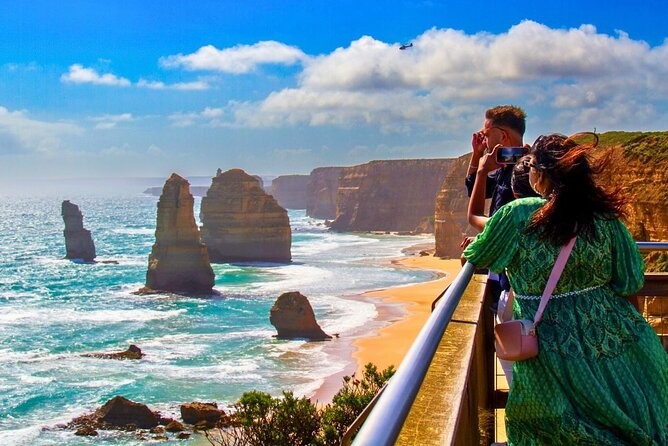
- Why: Known for art, cafes, laneways, and cultural events, plus proximity to the Great Ocean Road.
- Great Barrier Reef (Cairns, Port Douglas, Airlie Beach)
- Where to stay: Cairns (for reef tours), Port Douglas (luxury and nature), Airlie Beach (gateway to Whitsundays)
- Types: Resorts, eco-lodges, budget hotels, backpacker hostels
- Why: Access to reef snorkeling/diving and tropical rainforests.
Things to do in Australia
- Explore the Great Barrier Reef
Dive or snorkel among vibrant coral reefs and marine life in the world’s largest coral reef system, located off the coast of Queensland.
- Visit Sydney’s Iconic Landmarks
Climb the Sydney Harbour Bridge, tour the Sydney Opera House, and relax at Bondi or Manly Beach.
- Experience the Outback and Uluru
See the stunning red rock monolith Uluru at sunset, learn about Aboriginal culture, and explore the nearby Kata Tjuta rock formations.
Day trip from Australia
From Sydney:
Blue Mountains National Park
Just about 1.5–2 hours west of Sydney, the Blue Mountains offer stunning cliffs, waterfalls, and eucalyptus forests. Highlights include the Three Sisters rock formation, Scenic World rides, and walking trails like the Wentworth Falls track.
From Melbourne:
Phillip Island
Around 90 minutes from Melbourne, Phillip Island is famous for its nightly Penguin Parade, where you can watch little penguins waddle ashore. You’ll also find koalas, beautiful beaches, and the rugged Nobbies coastline.
From Brisbane:
Moreton Island
Just an hour’s ferry ride from Brisbane, Moreton Island is a sand island with amazing snorkelling, sand dunes for tobogganing, and dolphin feeding at Tangalooma Resort.