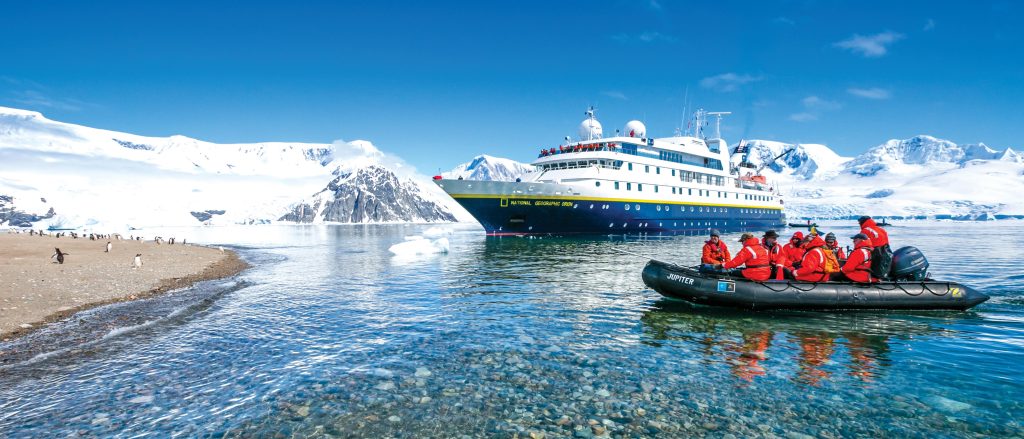

Introduction
Antarctica is Earth’s southernmost continent, located around the South Pole. It’s the coldest, windiest, and driest continent, covered almost entirely by ice. Despite its harsh conditions, Antarctica is home to unique wildlife like penguins, seals, and whales. It’s a place of scientific research, pristine natural beauty, and extreme adventure, attracting explorers and scientists from around the world.
- Departure Point: Ushuaia, Argentina
Most Antarctic cruises start from Ushuaia, the southernmost city in the world, located at the tip of South America. This port serves as the gateway to Antarctica because of its proximity to the Drake Passage, the body of water separating South America and Antarctica. Ushuaia offers excellent infrastructure for travelers, with a variety of accommodations and services to prepare for the journey ahead. Cruises typically set sail here because it provides the shortest and most accessible sea route to the Antarctic Peninsula, which is the continent’s most visited area. - Crossing the Drake Passage
The Drake Passage is arguably the most famous stretch of water on an Antarctic cruise. It connects the Atlantic and Pacific Oceans and is known for its rough seas and unpredictable weather. Crossing this passage can take between 1.5 to 2 days and serves as a transition period for passengers to acclimate to the Antarctic environment. Though it can be challenging due to waves and wind, the passage is also a prime spot for spotting seabirds like albatrosses and petrels, which are rarely seen elsewhere. - The Antarctic Peninsula – The Heart of Exploration
Once across the Drake Passage, most cruises focus on the Antarctic Peninsula, the most accessible and biologically rich part of the continent. The peninsula features towering icebergs, vast glaciers, and numerous wildlife viewing opportunities, including penguin colonies, seals, and whales. Cruises often visit key landing sites such as Paradise Bay and Neko Harbor, where passengers can set foot on Antarctic soil and take part in guided hikes or Zodiac boat rides. - South Shetland Islands – A Wildlife Haven
The South Shetland Islands lie just north of the Antarctic Peninsula and are a common stop on many cruise routes. These islands offer some of the best wildlife viewing opportunities, including colonies of Gentoo, Chinstrap, and Adelie penguins, as well as seals basking on rocky shores. The islands are also home to scientific research stations, historic whaling sites, and impressive volcanic landscapes, adding cultural and geological interest to the cruise experience. - Lemaire Channel – Scenic Cruising at Its Best
One of the most stunning features on many Antarctic cruises is the Lemaire Channel, often called the “Kodak Gap” because of its picture-perfect scenery. This narrow channel, flanked by steep cliffs and massive glaciers, offers breathtaking views and calm waters for cruising. Passing through the Lemaire Channel is often considered a highlight of the trip, with opportunities to photograph dramatic ice formations, towering peaks, and abundant wildlife. - Extended Routes: The Weddell Sea and Icebreaker Cruises
For those looking for a more adventurous journey, some cruises extend beyond the peninsula to the Weddell Sea, famous for its vast sea ice and as the place where Ernest Shackleton’s ship Endurance was trapped. These expeditions often require icebreaker vessels capable of navigating thick ice and offer a more remote and pristine Antarctic experience. Wildlife in this region includes emperor penguins, seals, and rare seabirds, making it a dream destination for wildlife enthusiasts and photographers. - South Georgia and the Falkland Islands – Sub-Antarctic Highlights
Longer Antarctic cruises may include stops at the sub-Antarctic islands of South Georgia and the Falklands. South Georgia is renowned for its incredible wildlife, including king penguins, elephant seals, and albatross colonies. The Falklands offer a mix of British culture and unique wildlife, such as rockhopper penguins and a variety of sea birds. These islands add historical context to the journey, with links to explorers like Shackleton and fascinating human settlements. - Types of Ships and Cruise Styles
Cruises to Antarctica come in many forms, from small expedition vessels with fewer than 100 passengers to luxury cruise ships offering five-star amenities. Expedition cruises focus on immersive experiences with expert guides, Zodiac excursions, and wildlife education, while luxury cruises combine adventure with comfort, gourmet dining, and spa services. Choosing the right cruise depends on your travel style, budget, and interests, but smaller ships generally offer more intimate encounters with nature and flexible itineraries. - Best Time to Cruise: Antarctic Summer
The prime time for cruising to Antarctica is during the Antarctic summer, which runs from late November to early March. During these months, temperatures are milder (though still cold), daylight hours are long, and wildlife activity is at its peak. Early season cruises offer opportunities to see nesting penguins and seals, while later cruises might catch the spectacular sight of whale feeding. The timing also affects sea ice conditions and the availability of landing sites. - Environmental Considerations and Responsible Travel
Antarctica is one of the world’s most fragile environments, and responsible travel is essential to protect its ecosystems. The International Association of Antarctica Tour Operators (IAATO) sets strict guidelines for cruise operators, including limits on passenger numbers, wildlife interaction protocols, and waste management. Choosing a cruise operator committed to sustainability ensures that the pristine beauty of Antarctica can be preserved for future generations while providing travelers with an ethical and enriching experience.
Where to Stay in Antarctica
- Research Stations
The most permanent “accommodations” in Antarctica are the scientific research stations operated by various countries. These facilities house scientists and support staff year-round, but they generally don’t accept tourists overnight. However, some expeditions include brief visits to these stations where visitors can learn about research and life in Antarctica. - Expedition Cruises
The most common way tourists “stay” in Antarctica is on board expedition cruise ships. These vessels serve as both transport and accommodation, offering cabins with varying levels of comfort—from cozy shared rooms to luxury suites. Cruises range from basic to high-end, often featuring expert guides, naturalists, and even zodiac boats for landing on shore. - Icebreaker Ships
Some tours use icebreaker ships capable of navigating thicker sea ice to reach more remote parts of Antarctica. These ships also have onboard cabins and facilities similar to cruise ships but with a stronger focus on exploration and adventure.
Things to Do in Antarctica
- Wildlife Watching
Antarctica is famous for its unique wildlife. You can observe penguins (like Adélie, Gentoo, and Emperor), seals (such as Weddell and leopard seals), whales (including orcas and humpbacks), and a variety of seabirds. Wildlife is most active during the summer months, making it an unforgettable experience. - Zodiac Boat Excursions
Small inflatable boats called Zodiacs allow visitors to get close to icebergs, glaciers, and wildlife along the coast. These excursions offer a thrilling and intimate way to explore areas that larger ships can’t access. - Kayaking
For the more adventurous, kayaking among the ice floes and around pristine shorelines offers a unique perspective on Antarctica’s icy wilderness. Guided tours provide safety and help you
Day trip from Antarctica
- Zodiac Landings
Most Antarctic cruises include multiple short day trips using Zodiac boats to land on the continent or nearby islands. These landings let you explore wildlife colonies, glaciers, and historic sites for a few hours before returning to the ship. - Hiking Excursions
During these day landings, guided hikes on the ice or rocky shorelines allow visitors to experience Antarctica’s terrain safely. - Visits to Research Stations
Some day trips include stops at scientific research stations, where you can learn about ongoing Antarctic research.