
Introduction
Australia is a vast island continent located in the Southern Hemisphere, known for its diverse landscapes, unique wildlife, and multicultural cities. It is the world’s sixth-largest country by land area, featuring everything from tropical rainforests and arid deserts to pristine beaches and modern urban centers. Famous for landmarks such as the Sydney Opera House, the Great Barrier Reef, and Uluru, Australia is a popular destination for nature lovers, adventure seekers, and cultural explorers.
- A Sanctuary for Iconic Native Species
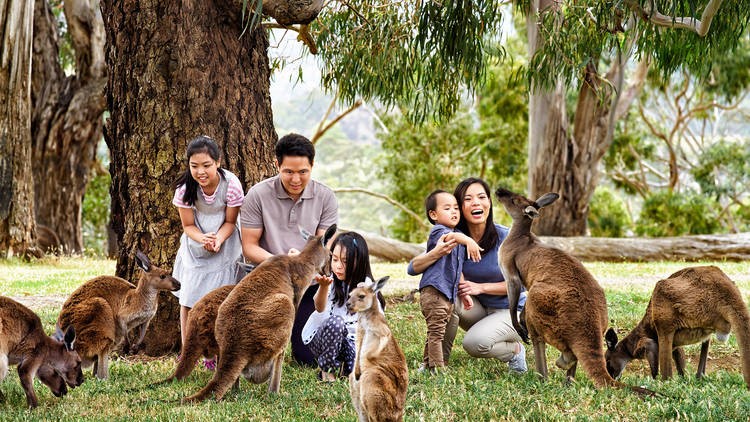
Australia’s wildlife parks serve as safe havens for some of the world’s most iconic native animals. These parks protect species like kangaroos, koalas, wombats, and emus, which are central to Australia’s identity. Many of these animals are difficult to spot in the wild, so the parks offer visitors a rare opportunity to observe and sometimes interact with them in a controlled, naturalistic environment. These encounters deepen public appreciation for Australia’s unique biodiversity.
- Conservation and Protection Efforts
One of the main roles of Australia’s wildlife parks is conservation. Many parks are actively involved in breeding programs to help endangered species recover from population declines caused by habitat loss, climate change, and invasive predators. Animals such as the Tasmanian devil, once endangered by a contagious facial tumor disease, benefit from these efforts. Wildlife parks act as genetic reservoirs and educational hubs to promote conservation awareness.
- Educational Opportunities
Australia’s wildlife parks are not just tourist attractions—they are vital centers for education. They provide interactive learning experiences for visitors of all ages, from school children to adults. Through guided tours, talks, and workshops, people learn about animal behavior, habitat requirements, and the environmental challenges these species face. This knowledge encourages visitors to support wildlife protection initiatives beyond their park visit.
- Immersive Wildlife Experiences
Many parks offer hands-on wildlife experiences that allow visitors to get closer than ever before to Australia’s native animals. Feeding kangaroos or hand-feeding lorikeets in a lush aviary are common highlights. Some parks allow supervised koala cuddling or even behind-the-scenes tours to see animal care in action. These immersive experiences foster empathy and a lifelong connection to wildlife.
- Diverse Habitats and Settings
Australia’s wildlife parks showcase the country’s vast range of ecosystems, from tropical rainforests and wetlands to arid deserts and coastal heathlands. This diversity means visitors can experience native wildlife in habitats that closely resemble their natural environments. For instance, parks in Queensland might feature tropical species like cassowaries and tree frogs, while those in Tasmania highlight cold-climate animals like the platypus and Tasmanian devils.
- Focus on Endangered and Rare Species
Unique wildlife parks in Australia often spotlight rare and endangered species not found elsewhere. For example, the nocturnal bilby, once close to extinction, is the focus of special breeding and reintroduction programs. Similarly, certain parks protect native reptiles and amphibians, which play crucial roles in local ecosystems but are less known to the public. By highlighting these species, parks increase awareness and support for their survival.
- Community and Indigenous Engagement
Many wildlife parks collaborate closely with Indigenous communities, incorporating traditional ecological knowledge into conservation practices. Indigenous guides may lead cultural tours, sharing stories and insights about native animals and their significance in Aboriginal culture. This connection enriches the visitor experience by combining wildlife observation with deeper cultural understanding.
- Tourism and Economic Benefits
Australia’s unique wildlife parks contribute significantly to regional economies by attracting tourists domestically and internationally. These parks often provide employment opportunities and support local businesses. Ecotourism centered around wildlife encourages sustainable travel practices, which help preserve natural areas while providing meaningful economic returns.
- Research and Scientific Contributions
Beyond conservation and tourism, Australia’s wildlife parks are hubs for scientific research. Researchers study animal behavior, genetics, and ecology within park environments to better understand how to protect these species in the wild. Data gathered from these studies informs broader conservation strategies, such as habitat restoration and invasive species control, which benefit ecosystems nationwide.
- A Gateway to Australia’s Natural Heritage
Ultimately, Australia’s wildlife parks act as gateways to the country’s extraordinary natural heritage. They offer a chance to witness wildlife that cannot be found anywhere else in the world, inspiring a sense of wonder and responsibility. For many visitors, a trip to these parks becomes a lifelong memory and a catalyst for conservation advocacy, helping ensure that Australia’s unique wildlife continues to thrive for generations to come.
Where to stay in Australia
- Sydney
- Where to stay: Central Business District (CBD), The Rocks, Darling Harbour, Bondi Beach
- Types: Luxury hotels (e.g., Shangri-La), boutique hotels, serviced apartments, budget hostels
- Why: Close to iconic sights like the Sydney Opera House and Harbour Bridge, plus beaches and vibrant nightlife.
- Melbourne
- Where to stay: CBD, Fitzroy, St Kilda, Southbank
- Types: Trendy boutique hotels, stylish apartments, budget hostels, luxury hotels
- Why: Known for art, cafes, laneways, and cultural events, plus proximity to the Great Ocean Road.
- Great Barrier Reef (Cairns, Port Douglas, Airlie Beach)
- Where to stay: Cairns (for reef tours), Port Douglas (luxury and nature), Airlie Beach (gateway to Whitsundays)
- Types: Resorts, eco-lodges, budget hotels, backpacker hostels
- Why: Access to reef snorkeling/diving and tropical rainforests.
Things to do in Australia
- Explore the Great Barrier Reef
Dive or snorkel among vibrant coral reefs and marine life in the world’s largest coral reef system, located off the coast of Queensland.
- Visit Sydney’s Iconic Landmarks
Climb the Sydney Harbour Bridge, tour the Sydney Opera House, and relax at Bondi or Manly Beach.
- Experience the Outback and Uluru
See the stunning red rock monolith Uluru at sunset, learn about Aboriginal culture, and explore the nearby Kata Tjuta rock formations.
Day trip from Australia
From Sydney:
Blue Mountains National Park
Just about 1.5–2 hours west of Sydney, the Blue Mountains offer stunning cliffs, waterfalls, and eucalyptus forests. Highlights include the Three Sisters rock formation, Scenic World rides, and walking trails like the Wentworth Falls track.
From Melbourne:
Phillip Island
Around 90 minutes from Melbourne, Phillip Island is famous for its nightly Penguin Parade, where you can watch little penguins waddle ashore. You’ll also find koalas, beautiful beaches, and the rugged Nobbies coastline.
From Brisbane:
Moreton Island
Just an hour’s ferry ride from Brisbane, Moreton Island is a sand island with amazing snorkelling, sand dunes for tobogganing, and dolphin feeding at Tangalooma Resort.