
Introduction
Australia is a vast island continent located in the Southern Hemisphere, known for its diverse landscapes, unique wildlife, and multicultural cities. It is the world’s sixth-largest country by land area, featuring everything from tropical rainforests and arid deserts to pristine beaches and modern urban centers. Famous for landmarks such as the Sydney Opera House, the Great Barrier Reef, and Uluru, Australia is a popular destination for nature lovers, adventure seekers, and cultural explorers.
- Rich Diversity of Native Species
Australia is home to one of the world’s most unique and diverse collections of indigenous wildlife. Unlike anywhere else on Earth, Australia’s isolation over millions of years has allowed a wide range of native species to evolve, many of which are found nowhere else. Iconic animals such as kangaroos, koalas, wombats, and platypuses coexist with countless birds, reptiles, and insects that make wildlife encounters here truly special. This rich biodiversity means that every encounter with Australia’s indigenous animals offers a chance to witness nature that is both extraordinary and deeply connected to the land. - Kangaroo Encounters: Australia’s National Symbol
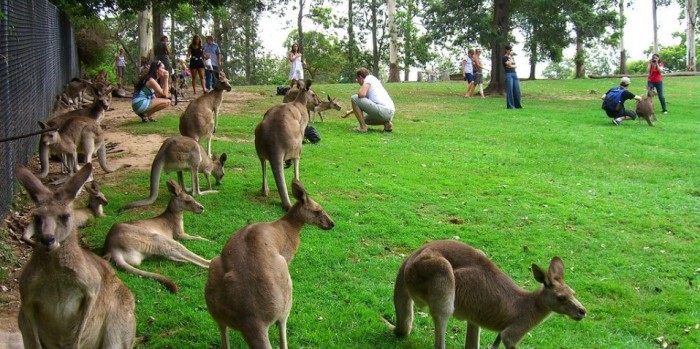
No discussion of Australia’s wildlife is complete without mentioning the kangaroo. These marsupials are not only an emblem of Australian identity but also one of the most accessible animals for wildlife encounters. Kangaroo populations thrive in many parts of the country, from the open grasslands to the outback deserts. Wildlife parks, sanctuaries, and guided tours allow visitors to observe and sometimes feed kangaroos in a safe environment. Watching these powerful yet graceful animals hop through their natural habitats is an unforgettable experience that embodies the spirit of Australia’s wild heart. - Koalas: The Sleepy Tree-Dwellers
Koalas are another quintessential Australian native, known worldwide for their cuddly appearance and eucalyptus-based diet. Encounters with koalas often take place in protected sanctuaries or national parks where visitors can learn about their unique biology, conservation challenges, and the vital role they play in the ecosystem. While koalas are famously sleepy and spend much of their time resting, spotting one up close in the treetops is a special treat. These encounters raise awareness about habitat loss and the ongoing efforts to preserve these beloved marsupials. - Indigenous Guided Wildlife Tours
One of the most enriching ways to experience Australia’s indigenous wildlife is through tours led by Aboriginal guides. These guides share not only their intimate knowledge of animal behavior but also the cultural significance of native species to Indigenous Australians. Through storytelling, traditional practices, and hands-on experiences, visitors gain a deeper appreciation of how the natural world and Indigenous culture are interwoven. These tours provide a unique perspective that goes beyond just spotting animals—they offer insight into the spiritual and practical connections between people and wildlife. - Unique and Lesser-Known Species
While kangaroos and koalas are well-known, Australia’s indigenous wildlife also includes many lesser-known species that are fascinating to encounter. The echidna, a spiny anteater, and the platypus, one of the only egg-laying mammals, are two examples of Australia’s evolutionary oddities. Other notable creatures include the Tasmanian devil, quokkas, and various colorful bird species such as the rainbow lorikeet. Wildlife encounters that highlight these unique animals deepen understanding of Australia’s exceptional natural history. - Conservation and Wildlife Protection Efforts
Encounters with Australia’s indigenous wildlife often come with education about conservation challenges facing these species. Many native animals are vulnerable due to habitat destruction, climate change, invasive species, and human activities. Wildlife parks, sanctuaries, and protected reserves play crucial roles in rehabilitation and breeding programs to ensure the survival of endangered species. Visitors participating in wildlife encounters are encouraged to support these efforts, helping preserve Australia’s natural heritage for future generations. - Experiencing the Outback’s Wildlife
The Australian Outback is one of the most iconic and remote regions where indigenous wildlife encounters take on a wild, untamed character. In this vast landscape of deserts, red earth, and sparse vegetation, visitors can spot animals adapted to harsh conditions, such as dingoes, emus, and various reptiles. Guided outback tours often include night safaris to see nocturnal creatures and provide insight into how native species survive in extreme environments. The Outback offers an adventurous way to connect with Australia’s indigenous wildlife far from urban centers. - Marine Indigenous Wildlife Encounters
Australia’s wildlife encounters extend beyond the land to its coastal and marine environments. The Great Barrier Reef, one of the world’s largest coral reef systems, hosts diverse marine species such as sea turtles, dugongs, and a variety of fish and sharks. Indigenous communities along the coast offer wildlife tours that blend marine ecology with traditional fishing knowledge. These experiences highlight the interconnectedness of land and sea and showcase Australia’s commitment to protecting both terrestrial and marine indigenous species. - Wildlife Photography and Ecotourism
Wildlife encounters in Australia are also popular among photographers and ecotourists who seek to capture the beauty of indigenous species in their natural habitats. Many tours and parks cater to this interest by providing expert guidance on ethical wildlife photography and encouraging minimal disturbance to animals. Ecotourism initiatives focus on sustainability and respect for wildlife, promoting tourism that benefits both local communities and conservation efforts. This approach helps raise global awareness about Australia’s unique fauna and the importance of protecting it. - Cultural Connections and Education
Ultimately, Australia’s indigenous wildlife encounters are about more than just seeing animals—they are an opportunity to connect with a living culture that has thrived alongside this wildlife for tens of thousands of years. Educational programs linked to wildlife experiences often incorporate Aboriginal art, language, and stories, enriching visitors’ understanding of Australia’s history and diversity. These encounters foster respect for both the natural world and Indigenous peoples, creating meaningful memories and encouraging a lasting commitment to conservation and cultural appreciation.
Where to stay in Australia
- Sydney
- Where to stay: Central Business District (CBD), The Rocks, Darling Harbour, Bondi Beach
- Types: Luxury hotels (e.g., Shangri-La), boutique hotels, serviced apartments, budget hostels
- Why: Close to iconic sights like the Sydney Opera House and Harbour Bridge, plus beaches and vibrant nightlife.
- Melbourne
- Where to stay: CBD, Fitzroy, St Kilda, Southbank
- Types: Trendy boutique hotels, stylish apartments, budget hostels, luxury hotels
- Why: Known for art, cafes, laneways, and cultural events, plus proximity to the Great Ocean Road.
- Great Barrier Reef (Cairns, Port Douglas, Airlie Beach)
- Where to stay: Cairns (for reef tours), Port Douglas (luxury and nature), Airlie Beach (gateway to Whitsundays)
- Types: Resorts, eco-lodges, budget hotels, backpacker hostels
- Why: Access to reef snorkeling/diving and tropical rainforests.
Things to do in Australia
- Explore the Great Barrier Reef
Dive or snorkel among vibrant coral reefs and marine life in the world’s largest coral reef system, located off the coast of Queensland.
- Visit Sydney’s Iconic Landmarks
Climb the Sydney Harbour Bridge, tour the Sydney Opera House, and relax at Bondi or Manly Beach.
- Experience the Outback and Uluru
See the stunning red rock monolith Uluru at sunset, learn about Aboriginal culture, and explore the nearby Kata Tjuta rock formations.
Day trip from Australia
From Sydney:
Blue Mountains National Park
Just about 1.5–2 hours west of Sydney, the Blue Mountains offer stunning cliffs, waterfalls, and eucalyptus forests. Highlights include the Three Sisters rock formation, Scenic World rides, and walking trails like the Wentworth Falls track.
From Melbourne:
Phillip Island
Around 90 minutes from Melbourne, Phillip Island is famous for its nightly Penguin Parade, where you can watch little penguins waddle ashore. You’ll also find koalas, beautiful beaches, and the rugged Nobbies coastline.
From Brisbane:
Moreton Island
Just an hour’s ferry ride from Brisbane, Moreton Island is a sand island with amazing snorkelling, sand dunes for tobogganing, and dolphin feeding at Tangalooma Resort.