
Introduction
Australia is a vast island continent located in the Southern Hemisphere, known for its diverse landscapes, unique wildlife, and multicultural cities. It is the world’s sixth-largest country by land area, featuring everything from tropical rainforests and arid deserts to pristine beaches and modern urban centers. Famous for landmarks such as the Sydney Opera House, the Great Barrier Reef, and Uluru, Australia is a popular destination for nature lovers, adventure seekers, and cultural explorers.
- Plan Your Route Thoroughly
Before heading into the Outback, research and plan your route carefully. The distances between towns and fuel stations can be vast, and GPS signal may be unreliable. Always carry paper maps as a backup and inform someone of your travel itinerary. Sticking to marked tracks is strongly advised, as venturing off-road in remote areas can lead to disorientation or mechanical failure far from help.
- Pack Plenty of Water
Water is your most critical resource in the Outback. As a rule, carry at least 5 to 7 litres of water per person per day, and always bring extra for emergencies. Don’t rely on finding water sources while camping — many rivers and creeks are seasonal or unsafe to drink. A portable water filter or purification tablets are helpful, but never a substitute for carrying enough clean water.
- Check Weather and Fire Warnings
The Outback experiences extreme weather conditions, from scorching daytime heat to freezing nights. Summer temperatures often soar above 40°C (104°F), increasing the risk of heatstroke and dehydration. Always check the local forecast, and be aware of bushfire warnings. Fire bans are common during dry seasons, so make sure your cooking setup complies with current regulations.
- Bring the Right Gear
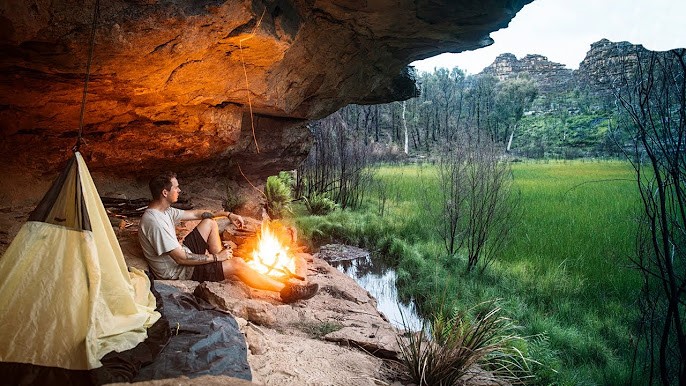
Durable, reliable camping gear is essential for Outback conditions. A high-quality tent that provides good ventilation and insect protection is a must. If you’re driving, consider a roof-top tent or swag designed for rugged terrain. Your gear list should also include a sleeping bag rated for sub-zero temperatures, a tarp for shade, a first aid kit, a headlamp with spare batteries, and basic repair tools for your vehicle or camping equipment.
- Prepare for Emergencies
In remote areas, help is not always nearby. An EPIRB (Emergency Position Indicating Radio Beacon) or a satellite phone can be lifesaving if you’re stranded or injured. Mobile phone coverage is limited outside major towns, so never rely solely on it. Your vehicle should also carry a well-stocked recovery kit, including a spare tire, jack, jumper cables, and tow ropes.
- Know the Wildlife
The Outback is home to diverse and sometimes dangerous wildlife. Snakes, spiders, dingoes, and even large kangaroos can pose risks. Always zip up your tent and shake out boots or sleeping bags before use. Never feed wild animals, as it encourages dependence and aggression. Also, be mindful of cattle or camels near roadways — collisions with large animals can be fatal, especially at night.
- Drive with Caution
Outback roads vary from sealed highways to rugged dirt tracks. Always drive a well-maintained 4WD if you plan to travel off the beaten path. Reduce your speed on unsealed roads, especially after rain, and avoid driving at dawn or dusk when wildlife is most active. Carry extra fuel in approved jerry cans and know how to change a tire and perform basic vehicle maintenance.
- Camp Respectfully and Responsibly
Leave no trace is a golden rule in the Outback. Pack out all rubbish, including food scraps and toilet paper. If there are no facilities, dig a small hole at least 15cm deep for human waste, well away from water sources and walking tracks. Camp only in permitted areas when near national parks or Aboriginal lands, and always respect local signage and restrictions.
- Stay Cool and Sun-Safe
The sun in the Australian Outback is intense. Wear long sleeves, a wide-brimmed hat, sunglasses, and SPF 50+ sunscreen every day. Set up camp or take breaks during the heat of the afternoon, usually between 12 pm and 3 pm. Lightweight, light-coloured clothing helps reflect heat, and shade is crucial for comfort and safety. Avoid alcohol during the hottest part of the day, as it contributes to dehydration.
- Enjoy the Experience, but Stay Alert
The Outback offers unmatched beauty, from red desert sands and gorges to starlit skies with no light pollution. Embrace the serenity and disconnect from modern life — but never let your guard down. Small mistakes can become serious in remote environments. Double-check gear, stay alert to your surroundings, and treat the land with the respect it deserves.
Where to stay in Australia
- Sydney
- Where to stay: Central Business District (CBD), The Rocks, Darling Harbour, Bondi Beach
- Types: Luxury hotels (e.g., Shangri-La), boutique hotels, serviced apartments, budget hostels
- Why: Close to iconic sights like the Sydney Opera House and Harbour Bridge, plus beaches and vibrant nightlife.
- Melbourne
- Where to stay: CBD, Fitzroy, St Kilda, Southbank
- Types: Trendy boutique hotels, stylish apartments, budget hostels, luxury hotels
- Why: Known for art, cafes, laneways, and cultural events, plus proximity to the Great Ocean Road.
- Great Barrier Reef (Cairns, Port Douglas, Airlie Beach)
- Where to stay: Cairns (for reef tours), Port Douglas (luxury and nature), Airlie Beach (gateway to Whitsundays)
- Types: Resorts, eco-lodges, budget hotels, backpacker hostels
- Why: Access to reef snorkeling/diving and tropical rainforests.
Things to do in Australia
- Explore the Great Barrier Reef
Dive or snorkel among vibrant coral reefs and marine life in the world’s largest coral reef system, located off the coast of Queensland.
- Visit Sydney’s Iconic Landmarks
Climb the Sydney Harbour Bridge, tour the Sydney Opera House, and relax at Bondi or Manly Beach.
- Experience the Outback and Uluru
See the stunning red rock monolith Uluru at sunset, learn about Aboriginal culture, and explore the nearby Kata Tjuta rock formations.
Day trip from Australia
From Sydney:
Blue Mountains National Park
Just about 1.5–2 hours west of Sydney, the Blue Mountains offer stunning cliffs, waterfalls, and eucalyptus forests. Highlights include the Three Sisters rock formation, Scenic World rides, and walking trails like the Wentworth Falls track.
From Melbourne:
Phillip Island
Around 90 minutes from Melbourne, Phillip Island is famous for its nightly Penguin Parade, where you can watch little penguins waddle ashore. You’ll also find koalas, beautiful beaches, and the rugged Nobbies coastline.
From Brisbane:
Moreton Island
Just an hour’s ferry ride from Brisbane, Moreton Island is a sand island with amazing snorkelling, sand dunes for tobogganing, and dolphin feeding at Tangalooma Resort.