
Introduction
The Arctic is the northernmost region of Earth, surrounding the North Pole. Extreme cold, ice-covered seas and tundra landscapes characterize it. The Arctic includes parts of countries like Canada, Russia, Greenland, Norway, and the United States (Alaska). This region experiences long, harsh winters with polar night (continuous darkness) and short summers with midnight sun (continuous daylight). The Arctic is home to unique wildlife such as polar bears, Arctic foxes, seals, and whales, and plays a crucial role in the Earth’s climate system.
- Understand the Arctic Environment
Before venturing into the Arctic for wildlife photography, it’s crucial to familiarize yourself with the environment. The Arctic is a harsh, cold, and often unpredictable place where temperatures can drop well below freezing. Weather conditions can change rapidly, affecting visibility and safety. Knowing the landscape, seasons, and animal behavior will help you plan your shoot more effectively. For instance, some animals like polar bears and Arctic foxes are more active during specific times of the year, and understanding these patterns can increase your chances of success. - Choose the Right Gear for Extreme Cold
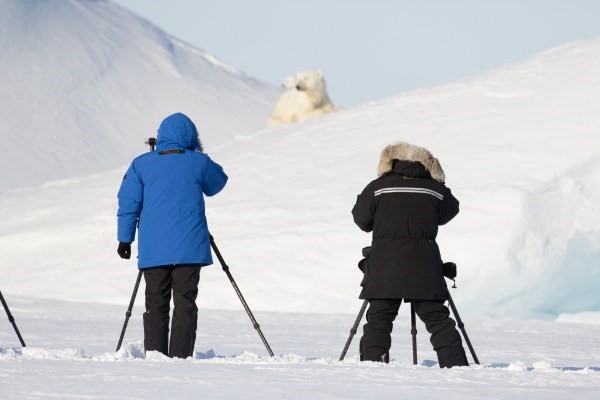
Arctic conditions are tough on camera equipment. Cold temperatures can drain batteries quickly, and condensation can damage lenses and sensors. To prepare, carry extra batteries kept warm inside your jacket and bring weather-sealed cameras and lenses designed to withstand moisture and cold. Using a sturdy tripod is also essential for stability, especially when shooting with telephoto lenses. Don’t forget protective gear such as lens hoods and microfiber cloths to keep your lenses clean from snow and frost. - Dress Appropriately for Safety and Comfort
Photography in the Arctic isn’t just about the gear — your own clothing matters too. Layering is key: start with moisture-wicking base layers, add insulating mid-layers, and finish with a windproof and waterproof outer shell. Invest in insulated gloves that allow you to operate camera controls without exposing your fingers to the cold. Warm boots, a hat, and face protection will keep you comfortable and focused so you don’t miss any photographic opportunities. - Master Camera Settings for Arctic Conditions
Lighting in the Arctic can be tricky due to reflective snow and low-angle sun. Start with a lower ISO to reduce noise and use a fast shutter speed if you’re photographing moving animals. Aperture settings depend on the desired depth of field; wider apertures (f/2.8–f/5.6) work well to isolate subjects, while smaller apertures increase sharpness for landscape-inclusive shots. Consider using exposure compensation to avoid blown-out highlights caused by bright snow, and shoot in RAW format to maximize post-processing flexibility. - Understand Animal Behavior and Ethics
Respect for wildlife is paramount. Study the habits of Arctic animals like polar bears, seals, Arctic foxes, and migratory birds to anticipate their movements and minimize disturbance. Always maintain a safe distance — not only for your safety but to prevent stressing the animals. Use long telephoto lenses to capture close-up shots without intrusion. Remember, the goal is to photograph animals in their natural state, without influencing their behavior. - Utilize Natural Light for Dramatic Effects
The Arctic offers unique lighting opportunities, especially during the golden hours around sunrise and sunset when the sun casts warm hues over the snow and ice. Take advantage of the soft, diffused light on overcast days for evenly lit portraits of animals. If you’re lucky enough to witness the Northern Lights, incorporate them as a stunning backdrop for your wildlife shots. Planning your shoots around these natural lighting phenomena can dramatically enhance your images. - Be Patient and Prepared to Wait
Wildlife photography requires patience. Animals may take time to appear or move into the perfect position for a shot. Prepare to spend hours in cold conditions, waiting quietly and minimizing movement. Bring snacks, water, and warm drinks to stay energized. Patience is often rewarded with candid moments, such as a polar bear hunting or a curious Arctic fox investigating your presence. The best photos often come to those willing to wait. - Use Composition Techniques to Tell a Story
Good composition transforms a photo from simple documentation to compelling storytelling. Apply rules like the rule of thirds, leading lines, and framing to create visually balanced images. Include environmental elements like ice formations or tundra landscapes to provide context and scale. Close-up shots highlighting textures, like fur or snowflakes on whiskers, add emotional depth. Experiment with different perspectives—shoot low to the ground or from a distance—to capture unique views. - Post-Processing to Enhance Your Images
Editing is an important part of Arctic wildlife photography. Use post-processing software to adjust exposure, contrast, and color balance to reflect the true atmosphere of the scene. Be cautious not to over-edit; maintaining natural colors and details is key. Sharpen details and reduce noise, especially in low-light shots. Consider cropping to improve composition or remove distractions. Subtle adjustments can elevate your images without compromising authenticity. - Stay Safe and Respect the Environment
Finally, your safety and the protection of the fragile Arctic ecosystem must come first. Travel with experienced guides who understand the terrain and wildlife. Follow local regulations and guidelines to minimize environmental impact. Avoid littering, and take care not to disturb vegetation or wildlife habitats. By acting responsibly, you contribute to preserving this pristine environment for future photographers and generations to come.
Where to Stay in the Arctic
- Arctic Research Stations
For scientists and researchers, many Arctic expeditions base themselves at research stations operated by various countries. These stations offer basic but functional accommodations, often shared dormitories or cabins, with access to laboratories and equipment. Examples include Ny-Ålesund (Svalbard, Norway) and the Barrow Arctic Research Center (Alaska, USA). - Arctic Hotels and Lodges
Several Arctic towns have hotels and lodges catering to tourists. These range from cozy, rustic lodges with traditional Sami influences to modern hotels with full amenities. Popular towns with accommodations include Longyearbyen in Svalbard, Tromsø in Norway, and Ilulissat in Greenland. - Ice Hotels
For a unique Arctic experience, ice hotels are an unforgettable choice. These are built entirely from ice and snow and rebuilt every year. Famous examples include the ICEHOTEL in Jukkasjärvi, Sweden (technically sub-Arctic but often included in Arctic travel itineraries). Staying in an ice hotel lets you experience Arctic conditions in a safe, artistic setting.
Things to Do in the Arctic
- Ice Diving
Dive beneath the frozen surface to explore the Arctic’s underwater world—crystal-clear ice formations, unique marine life, and surreal silence. - Northern Lights Viewing
Witness the breathtaking Aurora Borealis lighting up the Arctic sky with vibrant colors, especially in winter months. - Dog Sledding
Experience traditional Arctic transportation by mushing a team of sled dogs across snowy landscapes.
Day Trips from Arctic
- From Longyearbyen (Svalbard, Norway)
- Boat trip to Pyramiden: Visit the abandoned Russian mining town with guided tours, wildlife spotting, and spectacular Arctic scenery.
- Dog sledding tour: Experience a half-day or full-day dog sled ride on the snow-covered tundra, guided by expert mushers.
- Snowmobile safari: Explore glaciers, frozen fjords, and valleys with a snowmobile day adventure.
- From Tromsø (Norway)
- Fjord sightseeing cruise: Take a day cruise through the dramatic Norwegian fjords to see wildlife like sea eagles and seals.
- Northern Lights chase (winter): Join a guided evening tour to hunt for the Aurora Borealis away from city lights.
- Arctic wildlife safari: Visit nearby islands or coastal areas for birdwatching and marine life spotting.
- From Ilulissat (Greenland)
- Icefjord boat tour: Sail around the UNESCO-listed Ilulissat Icefjord to witness towering icebergs and floating ice.
- Hiking to Sermermiut: Explore the ancient Inuit settlement ruins with spectacular views of the icefjord.
- Dog sledding or snowmobiling (seasonal): Try winter adventures on the ice and snow-covered tundra.