
Introduction
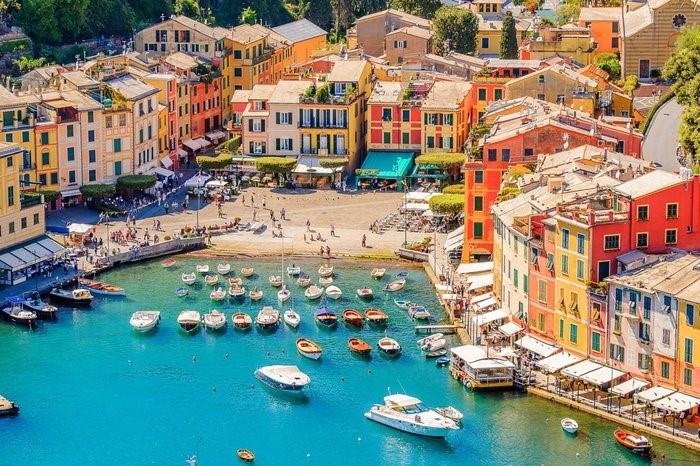
Italy is a beautiful and culturally rich country in Southern Europe, known for its historic cities, world-class art, delicious cuisine, and stunning landscapes. It’s home to famous landmarks like the Colosseum in Rome, Leaning Tower of Pisa, Venice’s canals, and Florence’s Renaissance art. Italy is also the birthplace of pizza, pasta, and many iconic fashion brands. From the Amalfi Coast to the Alps, Italy offers a mix of history, romance, and natural beauty that draws millions of visitors each year.
- Day 1: Arrival in Rome – The Eternal City Begins Your Journey
Your Italian adventure begins in Rome, a city where ancient history and vibrant street life collide. After arriving and checking into your hotel, start your journey with a visit to the Colosseum, the iconic amphitheater that once hosted gladiator battles. Just nearby, explore the Roman Forum and Palatine Hill, which provide incredible insights into Ancient Rome’s political and social life. In the evening, enjoy a classic Italian dinner in the Trastevere district, known for its cozy trattorias and lively atmosphere. - Day 2: More of Rome – Vatican City and Historic Wonders
Dedicate your second day to exploring Vatican City, the smallest independent country in the world and home to the Pope. Visit St. Peter’s Basilica, then marvel at the Sistine Chapel, featuring Michelangelo’s legendary frescoes. Later, return to central Rome to visit the Pantheon, Piazza Navona, and the Trevi Fountain. Toss a coin into the fountain to ensure your return to Rome! Cap the day with some gelato and a stroll through the cobbled streets of the Centro Storico. - Day 3: Florence – Renaissance Art and Tuscan Charm
Catch a morning train to Florence (about 1.5 hours), the birthplace of the Renaissance. Upon arrival, check in and head straight to the Duomo, the city’s stunning cathedral with a red-tiled dome engineered by Brunelleschi. Next, explore the Uffizi Gallery, home to masterpieces by Botticelli, Da Vinci, and Michelangelo. Walk across the historic Ponte Vecchio bridge and enjoy a sunset view from Piazzale Michelangelo. Florence is also known for its leather goods and fine dining, so enjoy a Tuscan dinner and perhaps a glass of Chianti. - Day 4: Day Trip to Tuscany – Vineyards and Hill Towns
Take a day trip from Florence to explore the Tuscan countryside. You can book a guided tour or rent a car to visit charming towns like Siena, San Gimignano, and Montepulciano. These medieval hilltop towns are known for their architecture, wine, and sweeping views. Enjoy a wine tasting session at a local vineyard and indulge in regional specialties like ribollita (Tuscan soup) or pici pasta. Return to Florence in the evening, refreshed by the peaceful scenery and relaxed pace of rural Italy. - Day 5: Venice – Romance and Canals
Travel north to Venice by train (about 2 hours), arriving in a city like no other, built entirely on water. Begin your exploration at St. Mark’s Square, where you’ll find St. Mark’s Basilica and the Doge’s Palace. Don’t miss a walk along the Rialto Bridge, one of Venice’s most famous landmarks. A gondola ride may be touristy, but it’s a magical way to experience the canals. In the evening, enjoy seafood risotto and a spritz by the water at a traditional osteria. - Day 6: More of Venice – Islands and Hidden Corners
Use this day to explore beyond the main tourist areas. Take a boat to the colorful island of Burano, known for its brightly painted houses and lace-making traditions. Or visit Murano, famous for its glass-blowing factories. Back in Venice, wander through lesser-known neighborhoods like Cannaregio or Dorsoduro, where you can escape the crowds and discover authentic Venetian life. Don’t forget to try a cicchetti tour—a local tapas-style food crawl—paired with local wine. - Day 7: Return or Optional Stop in Milan
If your flight is from Rome, head back by high-speed train (around 3.5 hours). However, if you’re departing from northern Italy, consider stopping in Milan for a half-day tour. In Milan, visit the Duomo di Milano, one of the most intricate cathedrals in Europe, and the stylish Galleria Vittorio Emanuele II shopping arcade. Art lovers can book ahead to see Da Vinci’s The Last Supper. Finish your trip with a fashionable dinner in the chic Brera district or grab a last espresso before heading to the airport. - Travel Tips – Getting Around Italy Efficiently
Italy’s high-speed trains (Trenitalia and Italo) make getting between major cities fast and comfortable. Consider booking tickets in advance for the best prices. Public transport within cities is affordable, but many historic centers are best explored on foot. Renting a car is ideal for rural areas like Tuscany but not necessary in cities like Rome or Venice. Be aware of ZTL zones (limited traffic areas) in city centers to avoid fines. - What to Pack – Travel Light, Dress Smart
Italy involves a lot of walking, so bring comfortable shoes. Pack lightweight clothing in summer and layers for spring or fall. Italians tend to dress stylishly, especially in cities like Milan, so neat casual wear will help you blend in. Don’t forget a power adapter (Italy uses type C, F, and L plugs) and a scarf or shawl for church visits, where modest dress is required. - Final Thoughts – A Journey Through History, Culture, and Beauty
This 7-day itinerary is a perfect introduction to Italy’s rich heritage and diverse regions. From the grandeur of Rome to the charm of Florence, the tranquility of Tuscany, and the romance of Venice, you’ll experience the country’s highlights in a compact, manageable route. Italy leaves a lasting impression—not just through its famous landmarks, but through the everyday joys of espresso at a sidewalk café, a sunset over terracotta rooftops, and the warm hospitality of the Italian people.
Where to stay in Italy
Rome
- Best for sightseeing:
- Centro Storico (historic center): Walking distance to major landmarks like the Pantheon, Trevi Fountain, and Piazza Navona.
- Trastevere: Charming, local, bohemian vibe with great food and nightlife.
- Luxury: Hassler Roma, Hotel de Russie
- Mid-range: Albergo del Senato, Hotel Smeraldo
- Budget: The Beehive Hostel, YellowSquare Rome
Florence
- Best for art and culture:
- Duomo/Santa Croce area: Central and walkable to Uffizi Gallery, Accademia, and major attractions.
- Oltrarno: Quieter and more authentic with artisan shops and local dining.
- Luxury: Portrait Firenze, Hotel Savoy
- Mid-range: Hotel Davanzati, Hotel Spadai
- Budget: Plus Florence Hostel, Hotel Dali
Venice
- Best for romance and atmosphere:
- San Marco: Close to major sights but touristy.
- Dorsoduro or Cannaregio: More local, authentic feel and quieter at night.
- Luxury: Gritti Palace, Bauer Palazzo
- Mid-range: Hotel Antiche Figure, Ca’ San Polo
- Budget: Generator Venice Hostel, Hotel Guerrini
Things to Do in Italy
- Explore Ancient Rome
- Visit the Colosseum, Roman Forum, and Pantheon.
- Walk the Appian Way, one of the oldest roads in Rome.
- See Renaissance Masterpieces in Florence
- Admire Michelangelo’s David at the Accademia Gallery.
- Visit the Uffizi Gallery for works by Botticelli, Da Vinci, and Raphael.
- Ride a Gondola in Venice
- Take a romantic gondola ride through Venice’s canals.
- Explore St. Mark’s Basilica and the Doge’s Palace.
Day Trips Within Italy (From Major Cities)
From Florence:
- Pisa – Climb the Leaning Tower, just 1 hour away by train.
- Siena – A medieval gem known for the Palio horse race and stunning piazzas.
- San Gimignano – The “Manhattan of the Middle Ages,” famous for its towers and gelato.
- Chianti wine region – Enjoy Tuscan landscapes and wine tastings in villages like Greve in Chianti.
From Venice:
- Burano & Murano Islands – Colorful fishing villages and famous glass-blowing workshops.
- Verona – Romantic city of Romeo & Juliet, with Roman ruins and lively piazzas.
- Padua – Visit Giotto’s frescoes in the Scrovegni Chapel and one of Europe’s oldest universities.
From Milan:
- Lake Como – Take a boat ride between Bellagio, Varenna, and Como town.
- Bergamo – A walled medieval city with stunning views and architecture.
- Turin – Elegant, royal, and rich in chocolate, museums, and Italian history.