

Introduction
Canadian refers to anything related to Canada, a country in North America known for its vast natural landscapes, multicultural population, and friendly people. It can describe the people of Canada (Canadians), their culture, language (English and French), or things that originate from or are associated with Canada.
- Diverse Hiking Trails for All Levels
One of the best things about hiking in the Canadian Rockies is the incredible variety of trails available. Whether you’re a beginner looking for an easy stroll or an experienced hiker seeking a challenging multi-day trek, there’s something here for everyone. Popular day hikes like the Johnston Canyon Trail or the Lake Agnes Tea House hike offer moderate challenges with rewarding views. Meanwhile, adventurous hikers can tackle routes like the Skyline Trail in Jasper National Park or the Wilcox Pass Trail near the Columbia Icefield.
- Iconic National Parks: Banff, Jasper, Yoho, and Kootenay
The heart of the Canadian Rockies lies within its national parks, where conservation and accessibility come together. Banff and Jasper National Parks are the most famous and visited, with well-maintained trails, visitor centers, and camping facilities. Yoho and Kootenay National Parks, though less crowded, offer equally stunning hikes with a more secluded feel. Each park has unique features, from glaciers and waterfalls to alpine meadows and ancient forests.
- Breathtaking Scenery at Every Turn
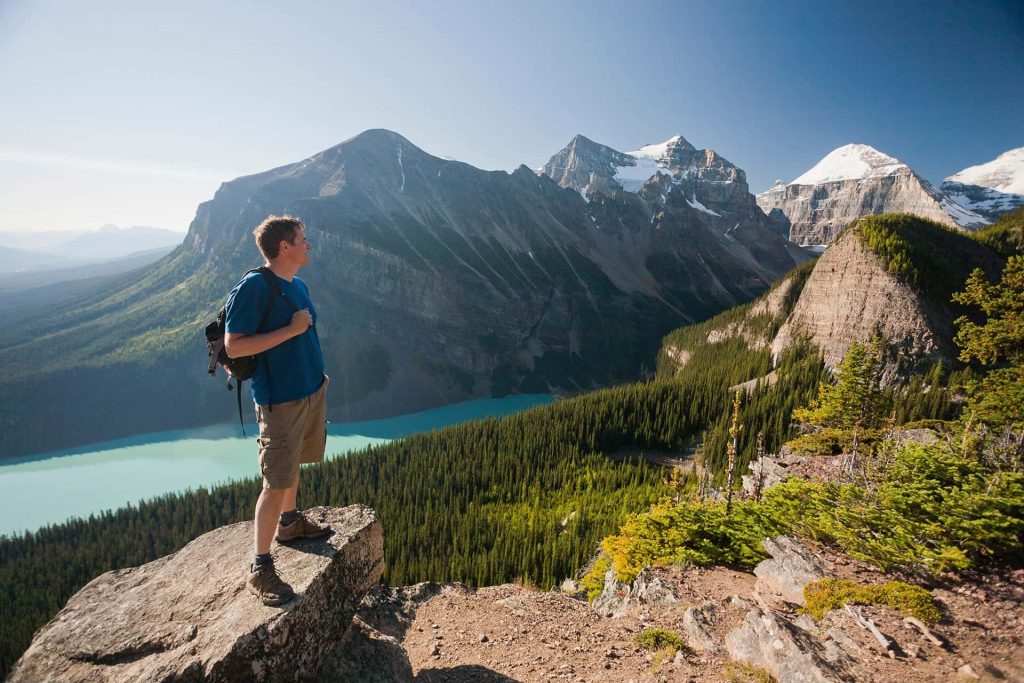
Hiking in the Rockies is as much about the views as it is about the physical activity. You’ll encounter emerald lakes like Moraine Lake and Lake Louise, towering limestone peaks, glacier-fed rivers, and vast valleys carved by ancient glaciers. These scenic highlights are perfect spots for photography or simply pausing to soak in the beauty. Many trails include lookout points offering panoramic vistas that are unforgettable.
- Wildlife Encounters
The Canadian Rockies are home to a rich diversity of wildlife. On your hikes, you might see elk, deer, mountain goats, bighorn sheep, and even bears or wolves if you’re lucky—and careful. It’s important to respect wildlife and maintain a safe distance. Carrying bear spray and knowing how to use it is essential for hiking in many areas. Early morning and late evening are the best times to observe animals when they are most active.
- Best Seasons for Hiking
The hiking season in the Canadian Rockies generally runs from late spring (May) through early fall (September/October), with July and August being the most popular months. Snow can linger on higher elevation trails well into June, and early fall offers stunning autumn colors with fewer crowds. Winter hiking is possible but requires special equipment and experience due to snow and cold conditions.
- Preparing for Variable Weather
Mountain weather is famously unpredictable, and the Canadian Rockies are no exception. Even in summer, temperatures can fluctuate dramatically, and sudden rain or snowstorms can occur. Dressing in layers, carrying waterproof gear, and packing extra food and water are critical. Always check the weather forecast before heading out and be prepared to turn back if conditions worsen.
- Essential Hiking Gear
For a safe and enjoyable hike, you’ll need the right gear. Sturdy hiking boots with good traction, a comfortable backpack, hydration system, navigation tools (map, compass, or GPS), sun protection (hat, sunscreen), and first aid supplies are basics. For longer or overnight hikes, pack a tent, sleeping bag, cooking supplies, and bear-proof food containers.
- Trail Etiquette and Safety
Respect for nature and fellow hikers is crucial. Stay on marked trails to protect fragile ecosystems and avoid disturbing wildlife habitats. Pack out all your trash and follow Leave No Trace principles. Let someone know your itinerary and expected return time, especially if hiking in remote areas. Bear awareness and safety are paramount; make noise while hiking to alert bears, carry bear spray, and know what to do in a wildlife encounter.
- Popular Hiking Highlights
Some hikes are legendary for their views and unique features:
- Plain of Six Glaciers Trail (Banff): Stunning views of glaciers and Lake Louise.
- Sulphur Skyline Trail (Jasper): Panoramic vistas from the summit.
- Emerald Lake Loop (Yoho): Scenic lakeside stroll with forest views.
- Parker Ridge Trail (near Columbia Icefield): Close-up views of the Athabasca Glacier.
- Larch Valley Trail (Banff): Famous for golden larch trees in autumn.
- Planning Your Trip
Planning is key to a successful hiking adventure in the Canadian Rockies. Reserve accommodations or campsites well in advance, especially during peak summer months. Obtain any necessary permits for backcountry camping. Research trail conditions and closures through park websites or visitor centers. Consider guided hikes if you’re unfamiliar with the terrain or want expert insights on the natural and cultural history of the area.
Where to Stay in Canada
- Major Cities
- Toronto: For urban explorers, downtown Toronto offers everything from luxury hotels (like the Fairmont Royal York) to budget-friendly hostels and boutique inns. Neighborhoods like the Entertainment District and Queen West are popular.
- Vancouver: Known for its stunning natural setting, Vancouver has upscale hotels near the waterfront (Fairmont Pacific Rim), trendy Airbnb options in neighborhoods like Gastown, and cozy bed-and-breakfasts.
- Montreal: This city blends European charm and modern culture. Stay in Old Montreal for historic vibes or the Plateau for hip cafés and art galleries.
- Canadian Rockies and National Parks
- Banff: Banff town has many hotels, from luxury resorts (Rimrock Resort Hotel) to budget lodges. Nearby, you’ll find campgrounds and backcountry cabins.
- Jasper: Jasper offers a range of accommodations, including rustic lodges, motels, and camping sites inside Jasper National Park.
- Yoho and Kootenay: These parks have fewer accommodations, so many visitors stay in nearby towns like Field or Golden, where small inns and lodges are common.
- Unique Stays
- Cabins and Chalets: In regions like Muskoka (Ontario), the Laurentians (Quebec), or the Rockies, renting a cabin or chalet can provide a cozy, private nature retreat.
- Ice Hotels: For a truly unique experience, check out the Hôtel de Glace near Quebec City, a hotel made entirely of ice and snow open in winter.
- Indigenous Lodges: Some Indigenous communities offer cultural lodges or eco-tourism stays where you can learn about their traditions and way of life.
Things to Do in Canada
- Explore National Parks
Canada is home to some of the world’s most beautiful national parks. Visit Banff and Jasper in the Rockies for hiking and wildlife spotting, or Cape Breton Highlands in Nova Scotia for coastal views.
- Visit Niagara Falls
One of the most famous natural attractions globally, Niagara Falls offers boat tours, observation decks, and stunning night illuminations.
- Experience City Life
Day trip from Canadian
Day Trips from Toronto
- Niagara Falls — Just 1.5 hours away, see the iconic waterfalls, visit the charming town of Niagara-on-the-Lake, and enjoy wine tasting at local vineyards.
- Blue Mountain — About 2 hours away, this area offers hiking, zip-lining, and scenic gondola rides, great for outdoor fun.
- Toronto Islands — A quick ferry ride from downtown Toronto, perfect for biking, picnicking, and enjoying skyline views.
Day Trips from Vancouver
- Whistler — Around 1.5 to 2 hours north, explore the famous mountain village, hike, or bike in summer and ski in winter.
- Capilano Suspension Bridge Park — Just 30 minutes away, walk across the iconic suspension bridge and explore treetop adventures.
- Grouse Mountain — 15 minutes from downtown, enjoy hiking trails, wildlife viewing, and panoramic city views.
Day Trips from Montreal
- Mont-Tremblant — About 1.5 hours away, famous for skiing in winter and hiking or lake activities in summer.
- Eastern Townships — Charming villages, vineyards, and scenic countryside, perfect for a relaxing day trip.
- Ottawa — Canada’s capital city is roughly 2 hours away and offers museums, Parliament Hill tours, and historic sites.
Day Trips from Calgary
- Banff National Park — About 1.5 hours drive, visit stunning mountain scenery, hot springs, and picturesque lakes.
- Drumheller and the Badlands — Around 1.5 hours away, explore the dinosaur museum and unique hoodoo formations.
- Canmore — Just 30 minutes from Calgary, a great spot for hiking, dining, and enjoying mountain views without the crowds.