

Introduction
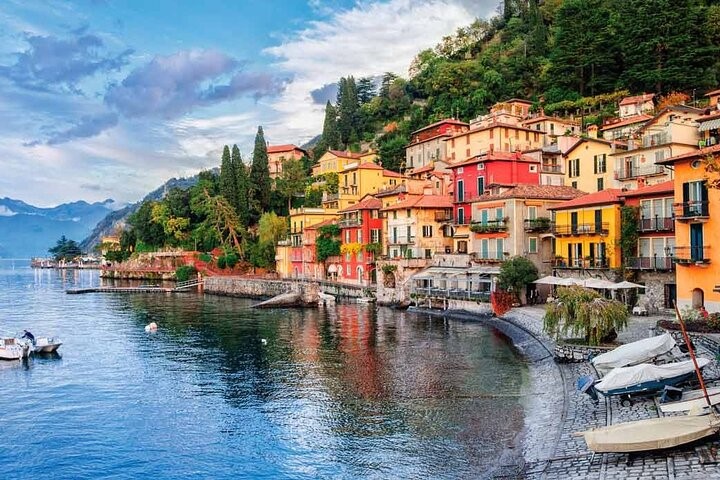
Europe is a continent located entirely in the Northern Hemisphere and mostly in the Eastern Hemisphere. It is known for its rich history, diverse cultures, and varied landscapes. Europe is home to over 40 countries, including popular destinations like France, Italy, Germany, Spain, and the United Kingdom. The continent offers a mix of old-world charm and modern sophistication, with iconic landmarks such as the Eiffel Tower, the Colosseum, Big Ben, and the Acropolis. It features everything from snowy mountains and sunny beaches to bustling cities and quiet countryside.
- Choose Budget-Friendly Destinations
Not all European countries cost the same. Western Europe tends to be pricier, while Eastern and Southern Europe offer excellent value. Countries like Portugal, Poland, Hungary, Bulgaria, and Romania are rich in culture, history, and nature—without the high price tag.
Pro tip: Look for lesser-known cities. For example, instead of Paris, consider Lyon or Strasbourg. Swap Venice for Bologna or Trieste.
- Travel During the Shoulder Season
Peak travel months (June to August) come with high prices and large crowds. Opt for shoulder seasons—April to early June or September to October. You’ll enjoy mild weather, smaller crowds, and lower prices on flights and accommodations.
Bonus: Attractions are more accessible and locals are generally more welcoming when it’s not peak tourist time.
- Use Budget Airlines and Fare Comparison Tools
Europe is home to several low-cost airlines such as Ryanair, Wizz Air, EasyJet, and Vueling. They offer ultra-cheap tickets between major cities, sometimes as low as €10–20.
Use fare comparison sites like Skyscanner, Google Flights, or Kiwi.com to find the best deals. Be cautious with extra fees—these airlines often charge for luggage, seat selection, and even printing boarding passes.
- Take Advantage of Trains and Buses
While flying is fast, train and bus travel is often more scenic and economical—especially for short distances. Companies like FlixBus and BlaBlaCar Bus provide comfortable rides at low prices. For train lovers, consider a Eurail or Interrail pass if you’re planning multiple trips across countries.
Insider tip: Book in advance for the best rates, and consider night trains to save on both travel and accommodation.
- Stay in Hostels, Guesthouses, or Use Budget-Friendly Apps
Europe has a vast network of hostels, many of which are modern, clean, and centrally located. Websites like Hostelworld or Booking.com help you find affordable dorms or private rooms.
For a more local experience, try platforms like Couchsurfing (free stays with locals), Workaway (volunteer in exchange for food and lodging), or even TrustedHousesitters if you’re open to pet-sitting.
- Cook Your Own Meals or Eat Like a Local
Eating out in tourist areas can quickly drain your budget. Instead:
- Shop at local markets or supermarkets (like Lidl or Aldi).
- Stay at hostels with kitchens to cook your own meals.
- Opt for street food, local bakeries, or eat where the locals go.
Countries like Italy, Greece, and Spain have delicious, affordable food if you avoid tourist traps. A €3–5 sandwich or slice of pizza can go a long way.
- Walk, Rent Bikes, or Use Public Transport
Europe’s cities are incredibly walkable and many offer free walking tours (just tip your guide!). Some cities like Amsterdam, Copenhagen, and Berlin are best explored by bike.
For longer trips within cities, use metro passes or public transit cards. Avoid taxis unless necessary—apps like Moovit or Citymapper can help you navigate efficiently and cheaply.
- Get City Tourist Passes (Only if Worth It)
Many cities offer tourist passes that include access to multiple attractions and unlimited public transport (e.g., Paris Pass, Berlin WelcomeCard, Lisboa Card). These can be great if you plan to visit a lot of paid sites.
But be realistic: if you’re only visiting a few attractions, it may not be worth the cost. Always compare individual entry fees with the pass price before buying.
- Use Free Attractions and Local Events
Europe is packed with free things to do—museums, parks, historical sites, festivals, and markets. Many top museums (like the British Museum in London or the Prado Museum in Madrid) offer free entry on certain days or times.
Search for free walking tours, street performances, or public festivals in each city. Websites like Eventbrite, Meetup, or local tourism boards often list budget-friendly activities.
- Travel Light and Avoid Fees
Budget travel starts with packing smart. Airlines charge hefty fees for checked bags or oversized luggage. Stick to carry-on only when possible, especially if flying on budget airlines.
Choose versatile clothing, pack travel-sized toiletries, and bring essentials like a reusable water bottle, small towel, and a universal adapter. The lighter you pack, the more mobile (and less stressed) you’ll be.
Where to Stay in Europe
- Hotels – For Comfort & Convenience
- Best for: Couples, families, and business travelers.
- Where: Available in every European city and town.
- Popular chains: Marriott, Hilton, Accor, NH Hotels.
- Tip: In major cities like Paris, Rome, or Barcelona, book hotels near the city center (Old Town, near metro stations) for easy access to attractions.
- Vacation Rentals & Apartments – For Longer Stays or Local Living
- Best for: Families, digital nomads, and groups.
- Platforms: Airbnb, Vrbo, Plum Guide.
- Perks: Kitchens, laundry, and more space; great for experiencing life like a local.
- Ideal in: Smaller towns, scenic areas like Tuscany (Italy), Provence (France), or the Greek islands.
- Hostels – Budget-Friendly & Social
- Best for: Backpackers, solo travelers, and students.
- Perks: Cheap, often centrally located, and great for meeting people.
- Top cities for hostels: Berlin, Prague, Lisbon, Budapest.
- Popular hostel networks: Generator Hostels, Meininger, Hostelworld listings.
Things to Do in Europe
- Explore Ancient Ruins in Rome, Italy
Visit the Colosseum, Roman Forum, and Pantheon to walk through the heart of the Roman Empire. Don’t miss Vatican City for St. Peter’s Basilica and the Sistine Chapel.
- Climb the Eiffel Tower in Paris, France
One of the world’s most iconic landmarks, the Eiffel Tower offers panoramic views of Paris. Combine it with a walk along the Seine and a visit to the Louvre.
- Island-Hop in Greece
Explore the stunning Greek islands like Santorini, Mykonos, and Crete. Swim in the Aegean Sea, enjoy fresh seafood, and experience the laid-back Mediterranean lifestyle.
Day trip from Europe
From Paris, France
Versailles
- Time: 45 minutes by train
- Why go: Explore the extravagant Palace of Versailles and its massive gardens, a symbol of French royal history.
Giverny
- Time: 1 hour 15 minutes
- Why go: Visit Monet’s home and gardens — inspiration for his iconic water lily paintings.
From Rome, Italy
Ostia Antica
- Time: 45 minutes by train
- Why go: Wander through ancient Roman ruins without the crowds of Pompeii.
Orvieto
- Time: 1.5 hours by train
- Why go: A charming hilltop town with a beautiful cathedral and underground tunnels.
From Barcelona, Spain
Girona
- Time: 40 minutes by high-speed train
- Why go: Medieval architecture, Game of Thrones filming locations, and less touristy vibes.
Sitges
- Time: 45 minutes by train
- Why go: A beautiful seaside town known for beaches, nightlife, and LGBTQ+ friendly vibes.