

Introduction
Europe is a continent located entirely in the Northern Hemisphere and mostly in the Eastern Hemisphere. It is known for its rich history, diverse cultures, and varied landscapes. Europe is home to over 40 countries, including popular destinations like France, Italy, Germany, Spain, and the United Kingdom. The continent offers a mix of old-world charm and modern sophistication, with iconic landmarks such as the Eiffel Tower, the Colosseum, Big Ben, and the Acropolis. It features everything from snowy mountains and sunny beaches to bustling cities and quiet countryside.
- Diversity of Festivals
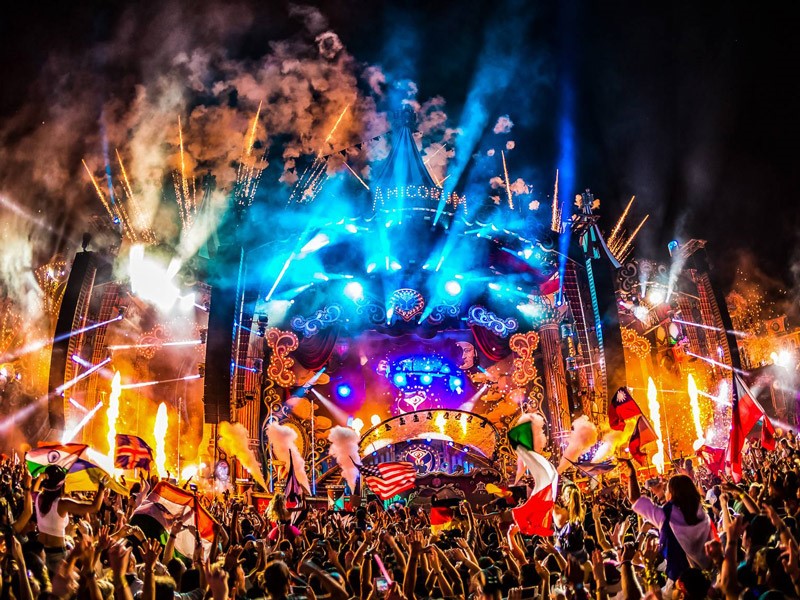
Europe offers an unparalleled variety of summer festivals. Whether you’re into electronic music, classical symphonies, opera, street art, literature, or folklore, there’s a festival for every interest.
Some of the most notable events include Tomorrowland in Belgium (EDM), Edinburgh Festival Fringe in Scotland (theatre and arts), and Bayreuth Festival in Germany (classical opera). This incredible diversity means every traveler can find something that resonates with his or her tastes.
- Iconic Music Experiences
Europe is home to some of the world’s most iconic music festivals. Glastonbury (UK), Sziget (Hungary), Roskilde (Denmark), and Primavera Sound (Spain) are just a few names that attract global artists and fans from every corner of the planet.
These festivals offer not just incredible lineups but immersive experiences—camping, art installations, workshops, and a palpable sense of community.
- Cultural and Historical Significance
Many summer festivals in Europe are deeply rooted in history and tradition. The Palio di Siena in Italy is a centuries-old horse race, while San Fermín (Running of the Bulls) in Spain has medieval origins. These events offer more than just entertainment—they’re a window into Europe’s rich cultural heritage.
Attending these festivals gives you the rare chance to participate in local customs that have been passed down through generations.
- Scenic and Unique Locations
Festivals in Europe often take place in stunning and unusual settings. Imagine dancing to electronic beats in a 19th-century fortress at Exit Festival in Serbia, listening to jazz on a Venetian canal, or watching a Shakespearean play in an ancient Greek amphitheater in Greece.
These settings add a magical quality to the events, making the experience far more memorable than traditional venues.
- Culinary Delights
Summer festivals in Europe are also a feast for the palate. Food and wine festivals like Fête de la Gastronomie in France or Taste of Dublin in Ireland celebrate local cuisine, offering tastings, chef demonstrations, and street food galore.
Even music festivals feature gourmet food stalls and pop-up restaurants, ensuring you’re well-fed while you enjoy the entertainment.
- Budget-Friendly Options
Contrary to the belief that European festivals are expensive, many are surprisingly affordable or even free. Smaller towns across countries like Portugal, the Czech Republic, and the Baltic states host fantastic events with low entry costs.
Additionally, many cities offer free open-air concerts, film screenings, or cultural nights in public parks, giving travelers on a budget a chance to experience the local vibe.
- Sustainability and Eco-Friendly Efforts
In recent years, many European festivals have become leaders in promoting sustainability. Boom Festival (Portugal) and We Love Green (France) are known for their eco-conscious practices—zero waste policies, renewable energy use, and environmental workshops.
Travelers who care about the planet can enjoy themselves guilt-free while learning about sustainable living.
- Family-Friendly Festivals
Europe’s summer scene isn’t just for partygoers. Many festivals are perfect for families and children. Events like Lollapalooza Berlin, Latitude Festival (UK), and La Strada (Austria) feature dedicated kids’ areas, storytelling sessions, puppet shows, and interactive workshops.
It’s a wonderful way for families to enjoy culture together in a safe, creative, and welcoming environment.
- Opportunities for Travel and Exploration
Festivals are often located in or near top tourist destinations. You can easily combine a festival visit with sightseeing. Attend Montreux Jazz Festival in Switzerland and explore the Alps, or go to Open’er Festival in Poland and enjoy the Baltic Sea coast.
With efficient public transportation and open borders within the Schengen Area, traveling between countries is convenient and inexpensive—ideal for summer festival-hopping.
- Unforgettable Social Connections
Perhaps the most magical aspect of European summer festivals is the sense of connection. You’ll meet people from all over the world, united by shared interests and a love for life. Whether you’re dancing until dawn in Croatia or sharing a bottle of wine under the stars in Provence, the friendships and memories made are often the highlight of the journey.
Many travelers report that these festivals become life-changing experiences—moments when they feel truly free, inspired, and part of something bigger than themselves.
Where to Stay in Europe
- Hotels – For Comfort & Convenience
- Best for: Couples, families, and business travelers.
- Where: Available in every European city and town.
- Popular chains: Marriott, Hilton, Accor, NH Hotels.
- Tip: In major cities like Paris, Rome, or Barcelona, book hotels near the city center (Old Town, near metro stations) for easy access to attractions.
- Vacation Rentals & Apartments – For Longer Stays or Local Living
- Best for: Families, digital nomads, and groups.
- Platforms: Airbnb, Vrbo, Plum Guide.
- Perks: Kitchens, laundry, and more space; great for experiencing life like a local.
- Ideal in: Smaller towns, scenic areas like Tuscany (Italy), Provence (France), or the Greek islands.
- Hostels – Budget-Friendly & Social
- Best for: Backpackers, solo travelers, and students.
- Perks: Cheap, often centrally located, and great for meeting people.
- Top cities for hostels: Berlin, Prague, Lisbon, Budapest.
- Popular hostel networks: Generator Hostels, Meininger, Hostelworld listings.
Things to Do in Europe
- Explore Ancient Ruins in Rome, Italy
Visit the Colosseum, Roman Forum, and Pantheon to walk through the heart of the Roman Empire. Don’t miss Vatican City for St. Peter’s Basilica and the Sistine Chapel.
- Climb the Eiffel Tower in Paris, France
One of the world’s most iconic landmarks, the Eiffel Tower offers panoramic views of Paris. Combine it with a walk along the Seine and a visit to the Louvre.
- Island-Hop in Greece
Explore the stunning Greek islands like Santorini, Mykonos, and Crete. Swim in the Aegean Sea, enjoy fresh seafood, and experience the laid-back Mediterranean lifestyle.
Day trip from Europe
From Paris, France
Versailles
- Time: 45 minutes by train
- Why go: Explore the extravagant Palace of Versailles and its massive gardens, a symbol of French royal history.
Giverny
- Time: 1 hour 15 minutes
- Why go: Visit Monet’s home and gardens — inspiration for his iconic water lily paintings.
From Rome, Italy
Ostia Antica
- Time: 45 minutes by train
- Why go: Wander through ancient Roman ruins without the crowds of Pompeii.
Orvieto
- Time: 1.5 hours by train
- Why go: A charming hilltop town with a beautiful cathedral and underground tunnels.
From Barcelona, Spain
Girona
- Time: 40 minutes by high-speed train
- Why go: Medieval architecture, Game of Thrones filming locations, and less touristy vibes.
Sitges
- Time: 45 minutes by train
- Why go: A beautiful seaside town known for beaches, nightlife, and LGBTQ+ friendly vibes.