

Introduction
A sauna is a small room or building designed to experience dry or wet heat sessions. It typically uses a stove or heater to warm the air to high temperatures, often between 70–100°C (158–212°F). Water can be poured on hot stones to create steam and increase humidity. Saunas are used for relaxation, cleansing, and health benefits like improved circulation and muscle relief. They are a popular tradition in countries like Finland, where they are an important part of daily life and culture.
- Historical Roots of the Finnish Sauna
The Finnish sauna tradition dates back over 2,000 years and is one of the oldest cultural practices in Finland. Originally, saunas were simple pits dug into the ground or small log cabins heated by stones. The sauna served not only as a place for bathing but also for childbirth, healing, and spiritual cleansing. Saunas were essential in rural Finnish life, providing warmth and hygiene during harsh winters when water was scarce and freezing conditions made bathing outside impossible.
- The Structure and Design of a Traditional Finnish Sauna
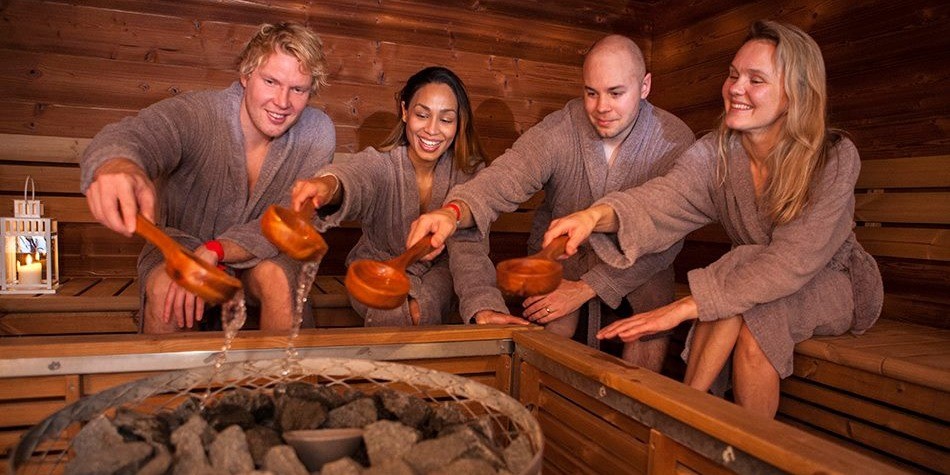
Traditional Finnish saunas are typically made of wood, often pine or spruce, due to their pleasant aroma and insulating properties. The sauna has several benches at different heights; the higher benches are hotter, as heat rises. The heart of the sauna is the kiuas (sauna stove), which heats large stones. Water is poured onto these stones to create löyly, the steam and humidity that define the sauna experience. The design is simple but functional, emphasizing natural materials and a close connection to nature.
- The Role of Loyly (Steam) in Sauna Culture
Loyly is a uniquely Finnish concept describing the steam and the heat released when water is poured over hot stones. It’s more than just steam; it’s considered the “soul” or “spirit” of the sauna. Loyly regulates humidity and temperature, making the heat feel softer and more bearable. Saunas without loyly (dry heat only) are often considered incomplete. The ritual of controlling loyly is almost an art form, with experienced sauna-goers knowing just how much water to add for the perfect balance of heat and steam.
- Sauna as a Social and Family Ritual
In Finland, the sauna is a communal space for families and friends. It is common for multiple generations to share the sauna, using the time to bond, relax, and communicate openly. Unlike many other social settings, the sauna fosters a unique environment of equality and vulnerability, as everyone is stripped of social status and outer appearances. Traditionally, business deals and important conversations have also been conducted in the sauna, highlighting its role as a place of trust and honesty.
- Sauna Etiquette and Customs
Finnish sauna culture has clear but relaxed etiquette. Nudity is the norm, and swimsuits are often discouraged, as the idea is to cleanse the body naturally. Silence or quiet conversation is preferred to maintain the relaxing atmosphere. People usually shower before entering to keep the sauna clean. It’s customary to alternate between the hot sauna and cooling off outside, in a lake, or a cold shower. Use of birch twigs (vihta or vasta) to gently whip the skin is another tradition believed to improve circulation and refresh the body.
- Health and Wellness Benefits
Saunas are celebrated for their health benefits. The intense heat promotes sweating, which helps detoxify the body. Heat exposure improves circulation, reduces muscle tension, and can aid in recovery from physical exertion. Regular sauna bathing is linked to reduced stress levels, improved cardiovascular health, and better skin condition. Modern studies support many of these benefits, making the sauna an important part of Finnish public health culture.
- Seasonal and Environmental Connection
The sauna experience in Finland is closely tied to nature and the changing seasons. In summer, saunas are often followed by a dip in a cool lake or river, refreshing after the heat. In winter, the contrast between the hot sauna and cold snow or ice swimming invigorates the body and mind. Many Finns have summer cottages (mökki) near lakes with private saunas, emphasizing a lifestyle integrated with the natural environment. The sauna fosters a deep connection to the rhythms of nature and seasonal cycles.
- Sauna in Modern Finnish Life
Today, nearly every Finnish home has a sauna, whether urban apartments or rural cottages. Saunas are also found in workplaces, gyms, hotels, and public swimming pools. Despite modernization, the essential elements of the sauna experience remain intact. The sauna continues to be a daily or weekly ritual for many Finns, reflecting its enduring cultural importance. Innovations like electric stoves and infrared saunas exist but coexist alongside traditional wood-fired models.
- Sauna and Finnish Identity
The sauna is a powerful symbol of Finnish identity and cultural pride. It represents values like simplicity, humility, health, and respect for nature. For many Finns, the sauna is more than a pastime — it is a part of their heritage and way of life. Internationally, the Finnish sauna is celebrated and exported as a hallmark of Finnish culture, tourism, and wellness. It embodies the Finnish concept of sisu — resilience, calm, and determination.
- Global Influence and Adaptations
While uniquely Finnish, sauna culture has influenced many countries worldwide. The concept of sauna has spread to neighboring Nordic countries, Russia (banya), and even North America. Finnish embassies, cultural centers, and communities promote sauna traditions globally. Modern adaptations include mobile saunas, sauna festivals, and hybrid styles that combine traditional and modern elements. Despite changes, the core principles of relaxation, purification, and social connection remain central.
Where to stay in sauna
- Traditional Finnish Sauna Cottages (Mökki)
- Most authentic sauna experiences happen in a mökki — a Finnish lakeside cottage with its own sauna.
- These cottages are often rented for vacations and come with wood-fired saunas right by a lake or river.
- Ideal for a peaceful, nature-connected stay.
- Sauna Hotels and Spas
- Many hotels in Finland offer saunas as part of their amenities.
- Some spa hotels specialize in sauna treatments, combining wellness services like massages and hot tubs.
- Great for a comfortable stay with sauna access and other luxury features.
- Urban Apartments with Saunas
- In Finnish cities like Helsinki or Tampere, many apartments and condos include a communal sauna.
- Staying in such apartments allows daily sauna access in an urban setting.
Things to do in sauna
- Relax and Unwind
- The main purpose of the sauna is to relax your body and mind.
- Sit or lie down on the benches and breathe deeply in the warm, soothing air.
- Create Loyly (Steam)
- Pour water gently over the hot stones of the sauna stove (kiuas) to produce steam (löyly).
- Adjust the amount of water to control humidity and heat — it’s almost an art form.
- Use Birch Whisks (Vihta or Vasta)
- Lightly whip your skin with fresh birch twigs to stimulate circulation and refresh the body.
- This traditional practice also releases a pleasant birch aroma.
Day trip from sauna
- Explore Nearby Nature Trails and Hiking
- Many sauna cottages are located near forests or national parks.
- Take a refreshing hike or nature walk before or after your sauna to connect with the outdoors.
- Look for birdwatching spots, wildflowers, or scenic viewpoints.
- Visit a Lake for Swimming or Boating
- Most Finnish saunas are by lakes, so jump in for a cool swim after your sauna.
- Rent a canoe, kayak, or paddleboard for a relaxing water adventure.
- Enjoy fishing if you’re into it—many lakes are well-stocked.
- Tour a Local Village or Town
- Discover local Finnish culture by visiting nearby villages or towns.
- Check out artisan shops, cafes, markets, or local museums.
- Try traditional Finnish foods like karjalanpiirakka (Karelian pies) or fresh berries.