

Introduction
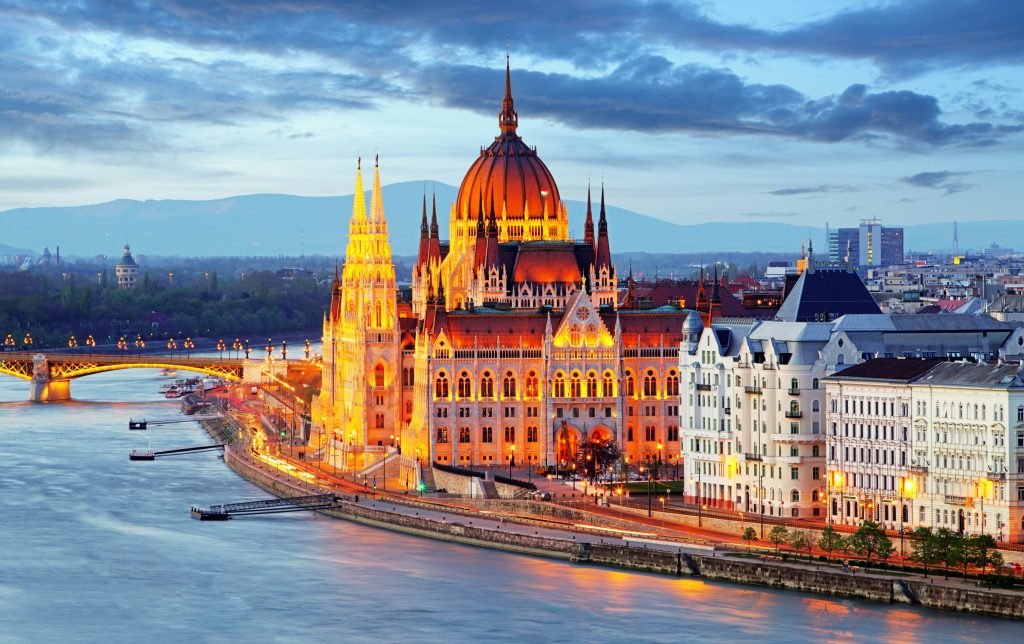
Budapest is the capital city of Hungary, known for its rich history, stunning architecture, and vibrant culture. The Danube River into two parts splits it: Buda, which is hilly and historic, and Pest, which is flat and lively. Famous landmarks include the Buda Castle, Parliament Building, Chain Bridge, and thermal baths. Budapest is a major European cultural and economic hub, blending old-world charm with modern amenities.
- Historical Significance
Budapest’s thermal baths have a long and storied history dating back to Roman times, around 2,000 years ago. The city sits on over 100 hot springs, thanks to its unique geological location where thermal waters naturally rise to the surface. The Romans were the first to build baths here, taking advantage of the healing properties of the mineral-rich waters. Later, during the Ottoman occupation in the 16th and 17th centuries, the Turks further developed the baths, creating many of the iconic structures that still exist today. These baths became social and cultural centers, not just places for bathing but also for relaxation, meetings, and health treatments.
- Geothermal Source
Budapest lies on a tectonically active zone, where water heated deep underground rises to the surface as thermal springs. These thermal waters are rich in minerals such as calcium, magnesium, hydrogen carbonate, sulfate, and others that are believed to have therapeutic effects. The average temperature of these springs ranges from 20°C (68°F) to 77°C (171°F), with some being hot enough for direct use in baths. This natural geothermal activity makes Budapest one of the few cities worldwide with an abundance of thermal water, earning it the nickname “City of Spas.”
- Famous Baths and Their Features
Budapest is home to more than a dozen thermal baths, each with its own unique character. The most famous include:
- Szechenyi Thermal Bath: One of the largest medicinal baths in Europe, known for its grand Neo-Baroque architecture and outdoor pools that remain open even in winter.
- Gellert Baths: Famous for its beautiful Art Nouveau design and mosaic decorations.
- Rudas Baths: Known for its Ottoman-era architecture and a stunning rooftop hot tub with panoramic views of the city.
- Kiray Baths: A smaller, intimate bath dating back to the 16th century Ottoman period.
Each bath offers various pools of different temperatures, saunas, steam rooms, and wellness treatments.
- Health Benefits
The mineral-rich thermal waters of Budapest are widely believed to have therapeutic properties. They are used to treat a range of ailments, including:
- Musculoskeletal problems like arthritis and joint pain
- Circulatory disorders
- Skin conditions such as eczema and psoriasis
- Stress relief and improved overall well-being
Many baths offer physiotherapy, medical treatments, and wellness programs. The warm water promotes blood circulation, relaxes muscles, and alleviates pain, making the baths popular among both locals and tourists seeking health benefits.
- Cultural and Social Role
Thermal baths in Budapest are more than just places to soak; they are social hubs. Historically and today, they serve as meeting places for friends and family. Many locals visit regularly for relaxation and socializing. The baths often host events such as night parties (“sparties”) with music and light shows, blending the traditional spa culture with modern entertainment. This vibrant atmosphere attracts a diverse crowd from young travelers to elderly residents.
- Architectural Splendor
The thermal bath buildings themselves are architectural masterpieces. They combine styles from different eras:
- Ottoman baths feature domes, vaulted ceilings, and intricate tile work.
- Neo-Baroque and Art Nouveau baths showcase ornate facades, stained glass, mosaics, and elegant interiors.
These designs create a unique ambiance that complements the healing waters, making the experience both physically rejuvenating and aesthetically pleasing.
- Accessibility and Popularity
Budapest’s thermal baths are easily accessible to visitors. Many are located centrally or near public transportation, making them convenient for tourists. The baths are open year-round, offering a relaxing escape regardless of the season. Because of their unique appeal, Budapest’s baths are among the city’s top attractions, drawing millions of visitors annually and contributing significantly to tourism and the local economy.
- Variety of Pools and Facilities
Most thermal baths offer a wide range of pools varying in temperature and function:
- Hot thermal pools for therapeutic bathing
- Cooler swimming pools for exercise
- Steam rooms and saunas for detoxification
- Bubbling whirlpools for relaxation
- Children’s pools and family areas
Additionally, many baths provide massage services, mud treatments, and beauty therapies. The diversity ensures there is something for everyone, from serious health treatments to casual relaxation.
- Traditional Bathing Culture
Visiting the thermal baths follows a cultural ritual. Bathers typically start with a warm shower, then move between pools of different temperatures to stimulate circulation and relax muscles. Spending time in saunas and steam rooms is common, often followed by cooling down in cold plunge pools. The bathing culture emphasizes balance, relaxation, and social interaction. Bathhouses usually require swimwear and provide lockers or cabins for changing. Some baths also have strict hygiene rules to maintain cleanliness and safety.
- Modern Developments and Sustainability
In recent years, Budapest has modernized many of its thermal baths to improve comfort, accessibility, and environmental sustainability. Renovations have enhanced facilities while preserving historic elements. Energy-efficient technologies are increasingly used to heat and manage the thermal waters responsibly. Additionally, efforts to promote wellness tourism have integrated traditional healing practices with contemporary spa treatments, ensuring the baths remain relevant and appealing in the 21st century.
Where to stay in Budapest
- Belvaros-Lipotvaros (District V) – City Center
- Best for first-timers who want to be close to landmarks like the Parliament, St. Stephen’s Basilica, and the Chain Bridge.
- Lots of hotels, from luxury to mid-range.
- Very walkable and well connected by public transport.
- Great for sightseeing, shopping, and dining.
- Erzsebetvaros (District VII) – Jewish Quarter
- Known for its vibrant nightlife, ruin pubs, and eclectic atmosphere.
- Popular with younger travelers and those wanting to experience Budapest’s bar scene.
- Plenty of boutique hotels, hostels, and apartments.
- Close to thermal baths like Rudas and Kiraly.
- Terezvaros (District VI) – Near Andrassy Avenue
- Cultural hub, home to the Opera House and theaters.
- Upscale shopping and elegant streets.
- Great mid-range to luxury hotels.
- Good for culture lovers and shoppers.
Things to do in Budapest
- Explore Buda Castle and Castle Hill
- Visit the historic Buda Castle, home to the Hungarian National Gallery and Budapest History Museum.
- Wander around the cobblestone streets of Castle Hill, enjoy panoramic views of the city from Fisherman’s Bastion, and see Matthias Church’s stunning architecture.
- Walk across the Chain Bridge
- The iconic suspension bridge connects Buda and Pest.
- Great spot for photos, especially at sunrise or sunset.
- Relax in the Thermal Baths
- Try Szechenyi Thermal Bath (largest and famous outdoor pools).
- Visit Gellert Baths for gorgeous Art Nouveau design.
- Experience Rudas Baths’ rooftop pool with a city view.
Day trip from Budapest
- Szentendre
- About 40 minutes by train north of Budapest.
- Charming riverside town known for its colorful Baroque architecture, art galleries, and cozy cafes.
- Great for strolling, shopping for local crafts, and visiting museums like the Open-Air Ethnographic Museum.
- Esztergom
- Around 1 hour by train or bus.
- Historic town on the Danube, home to the massive Esztergom Basilica — Hungary’s largest church.
- Offers spectacular views across the river to Slovakia and a glimpse into Hungary’s religious history.
- Visegrad
- About 1 hour by car or bus.
- Famous for its medieval citadel perched on a hill overlooking the Danube Bend.
- Ideal for hiking, exploring ruins, and panoramic views.
- Combine with Esztergom and Szentendre for a “Danube Bend” tour.