

Introduction
Vienna is the capital city of Austria, known for its rich history, stunning architecture, and vibrant cultural scene. Famous as the “City of Music,” it was home to legendary composers like Mozart, Beethoven, and Strauss. Vienna offers beautiful palaces, world-class museums, charming cafés, and a strong tradition of classical music, including the prestigious Vienna State Opera. It’s a perfect blend of imperial grandeur and modern life.
- The Historic Vienna State Opera House
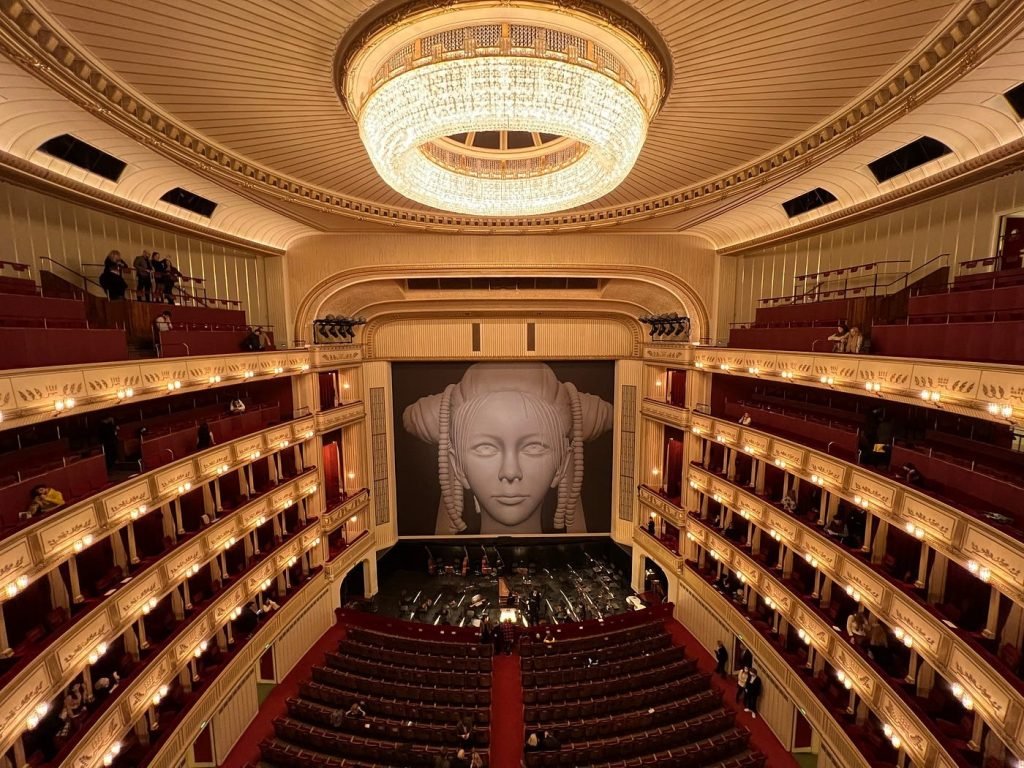
The Vienna State Opera (Wiener Staatsoper) is one of the world’s most famous opera houses, located right in the heart of Vienna. Originally opened in 1869, this grand building showcases stunning neo-Renaissance architecture, richly decorated interiors, and a rich legacy of music and performance. The opera house was rebuilt after being damaged in World War II, maintaining its historic charm while incorporating modern facilities. Visiting the opera here means immersing yourself in over 150 years of musical tradition. - A Center for World-Class Performances
Vienna State Opera is renowned for hosting some of the finest opera and ballet performances in the world. Each season, the house presents about 50 different operas and ballets, with over 350 performances. The repertoire includes classical masterpieces by Mozart, Verdi, Puccini, and Wagner, alongside contemporary works. Internationally acclaimed singers, conductors, and musicians grace the stage, making it a must-visit for any classical music lover. - The Unique Atmosphere of a Vienna Opera Night
Attending an opera in Vienna is a truly special cultural event. The atmosphere inside the opera house is elegant yet inviting, with beautifully dressed audiences, from formal evening wear to smart casual. The grand foyer, with its marble staircases and glittering chandeliers, adds to the sense of occasion. Many attendees enjoy a glass of Viennese wine or champagne during intermission, soaking in the sophisticated ambiance. - Booking Tickets: Options and Tips
Tickets to the Vienna State Opera can be purchased online, at the box office, or through authorized vendors. For popular performances, early booking is essential as tickets sell out quickly. Prices vary widely, from affordable standing-room spots to premium seats in the stalls or boxes. For budget-conscious visitors, standing tickets offer a unique, close-up experience, though you must be prepared to stand for the entire performance. - Guided Tours: Behind the Scenes
If you can’t attend a live performance, the Vienna State Opera offers daily guided tours of the building. These tours take visitors behind the scenes to explore the grand auditorium, the elaborate stage, the rehearsal rooms, and costume workshops. Guides share fascinating insights about the history of the opera house, famous performances, and the inner workings of one of the world’s leading opera companies. - The Rich Musical Heritage of Vienna
Vienna’s identity as a music capital dates back centuries. The city nurtured musical geniuses like Mozart, Beethoven, Haydn, and Strauss, whose works remain central to the opera repertoire today. Experiencing an opera here is not just attending a show but connecting with this deep-rooted cultural legacy. The city itself celebrates music everywhere, from street musicians to grand concert halls. - Dress Code and Etiquette
While the Vienna State Opera is a prestigious venue, the dress code has become more flexible over time. Traditional formal attire (tuxedos and evening gowns) is common but not mandatory. Many visitors wear elegant or smart casual clothing. The key is to dress respectfully and comfortably for an evening of cultural appreciation. During the performance, audience members are expected to remain quiet and attentive, applauding only at appropriate moments. - Food and Drink at the Opera
Intermissions at the Vienna State Opera provide a chance to enjoy refreshments in the beautiful foyer or the opera’s café and bars. Visitors can savor classic Viennese wines, champagne, coffee, or light snacks. Many local delicacies, such as Apfelstrudel and Sachertorte, are also popular choices. This social aspect adds to the overall experience, allowing guests to mingle and discuss the performance. - The Opera as a Cultural Experience Beyond Music
Attending the Vienna State Opera is not just about the music; it’s a full cultural immersion. The architecture, costumes, stage design, and even the history of the opera house contribute to a rich sensory experience. Ballet performances add a visual storytelling element, while operas often reflect dramatic narratives that resonate deeply. This makes it appealing to both seasoned opera enthusiasts and newcomers alike. - Beyond the Opera House: Vienna’s Music Scene
The Vienna Opera experience can be extended by exploring the city’s broader musical culture. The Musikverein and Konzerthaus are other legendary venues offering classical concerts, while numerous smaller theaters and cafes host jazz and contemporary music. Walking the streets of Vienna, you’ll find statues and museums dedicated to famous composers, music-themed walking tours, and festivals celebrating classical music all year round.
Where to stay in Vienna
- Innere Stadt (First District) – The Historic Center
- Why stay here: This is Vienna’s historic heart, walking distance to the State Opera, St. Stephen’s Cathedral, Hofburg Palace, and many museums. Perfect if you want to be close to major attractions and enjoy the city’s classical charm.
- Hotels: Hotel Sacher Vienna (luxury), Hotel Am Stephansplatz, DO & CO Hotel Vienna.
- Leopoldstadt (Second District) – Near the Prater & Danube
- Why stay here: Just across the Danube Canal from the city center, it offers a quieter vibe with parks, the famous Giant Ferris Wheel, and good public transport to the opera. Great for families or those who want nature nearby.
- Hotels: Hilton Vienna Danube Waterfront, Motel One Wien-Prater.
- Mariahilf (Sixth District) – Shopping & Nightlife
- Why stay here: Close to the Opera and Museum Quarter, this district is lively with shopping streets (Mariahilfer Strabe), trendy cafes, and bars. Ideal for young travelers and those who enjoy a vibrant atmosphere.
- Hotels: 25hours Hotel Vienna at MuseumsQuartier, Hotel am Brillantengrund.
Things to Do in Vienna
- Visit the Vienna State Opera
Catch a live opera or ballet performance, or take a guided tour of this iconic building. It’s a must for music lovers. - Explore Schönbrunn Palace
Tour the former summer residence of the Habsburg emperors with its beautiful gardens, the Gloriette viewpoint, and the oldest zoo in the world on the grounds. - Wander the Historic Center (Innere Stadt)
Stroll around St. Stephen’s Cathedral, Graben street, and the Hofburg Palace complex. Don’t miss the charming old streets and cafés.
Day Trips from Vienna
- Wachau Valley
A beautiful UNESCO World Heritage region along the Danube River, famous for its vineyards, charming villages like Dürnstein and Melk, and the impressive Melk Abbey. You can enjoy wine tasting, river cruises, and scenic bike rides. - Salzburg
Though a bit farther (about 2.5 hours by train), Salzburg is totally worth it—birthplace of Mozart, with stunning baroque architecture, the Hohensalzburg Fortress, and The Sound of Music filming locations. - Bratislava, Slovakia
Just an hour away by train or boat, Bratislava offers a charming old town, a hilltop castle, and vibrant cafés and restaurants. Great if you want to visit another capital city easily.