

Introduction
Austria is a landlocked country in Central Europe known for its rich cultural heritage, stunning Alpine landscapes, and high quality of life. It shares borders with Germany, Czech Republic, Slovakia, Hungary, Slovenia, Italy, Switzerland, and Liechtenstein. The capital city, Vienna, is famous for classical music, imperial history, and elegant architecture. Austria has a strong cultural legacy, being the birthplace of famous composers like Mozart and Strauss, and home to iconic institutions like the Vienna State Opera.
- Vienna – The Cultural Heart of Europe
Austria’s capital, Vienna, is a city of grand imperial palaces, timeless music, and a rich artistic heritage. Once the seat of the Habsburg Empire, Vienna boasts majestic architecture such as Schönbrunn Palace and the Hofburg. The city is a haven for classical music lovers, with the Vienna Philharmonic and the State Opera House being world-renowned. MuseumsQuartier and the Belvedere Palace showcase masterpieces from Klimt to contemporary art. Beyond culture, Vienna is also known for its exceptional quality of life, clean streets, and efficient public transport, making it not only a tourist hub but also one of the world’s most livable cities.
- Salzburg – Mozart’s Birthplace and Baroque Beauty
Salzburg, nestled on the border with Germany, is famed as the birthplace of Wolfgang Amadeus Mozart and the filming location for The Sound of Music. Its baroque architecture, with domed churches and ornate facades, gives the city a unique charm. The historic Altstadt (Old Town), a UNESCO World Heritage Site, is a maze of cobbled streets, hidden courtyards, and traditional shops. The Hohensalzburg Fortress towers above the city, offering panoramic views of the surrounding Alps. Salzburg is a city where music and history intertwine seamlessly, attracting both culture seekers and casual travelers.
- Innsbruck – The Gateway to the Alps
Innsbruck is the capital of Tyrol and Austria’s prime Alpine destination, ideal for skiing in the winter and hiking in the summer. Surrounded by towering peaks, it has twice hosted the Winter Olympics and continues to draw outdoor enthusiasts year-round. The city itself blends medieval charm with modern design, evident in attractions like the Golden Roof, the Imperial Palace, and the contemporary Bergisel Ski Jump. Innsbruck is a unique mix of urban life and rugged nature, where you can ski in the morning and stroll through historic streets by afternoon.
- Graz – Austria’s Creative Capital
Often overlooked by travelers, Graz is Austria’s second-largest city and a UNESCO City of Design. Known for its youthful energy—thanks to its six universities—it has a vibrant arts scene and an innovative spirit. The Old Town is a harmonious blend of Renaissance, Gothic, and baroque architecture, while the futuristic Kunsthaus (modern art museum) and Murinsel (an artificial island) show off the city’s avant-garde side. Graz also boasts a strong culinary identity, with influences from nearby Slovenia and Italy, making it a hidden gem for food and culture lovers.
- Linz – A Modern City with an Artistic Soul
Linz, located on the Danube River, is Austria’s third-largest city and a hub for contemporary art and technology. Once an industrial center, Linz has transformed itself into a modern cultural hotspot. The Ars Electronica Center, often called the “Museum of the Future,” and the Lentos Art Museum highlight the city’s commitment to innovation and creativity. Linz also celebrates music and literature, being closely associated with composer Anton Bruckner. Its thriving café culture and scenic riverfront make Linz a dynamic place to explore modern Austria.
- Hallstatt – A Postcard-Perfect Lakeside Village
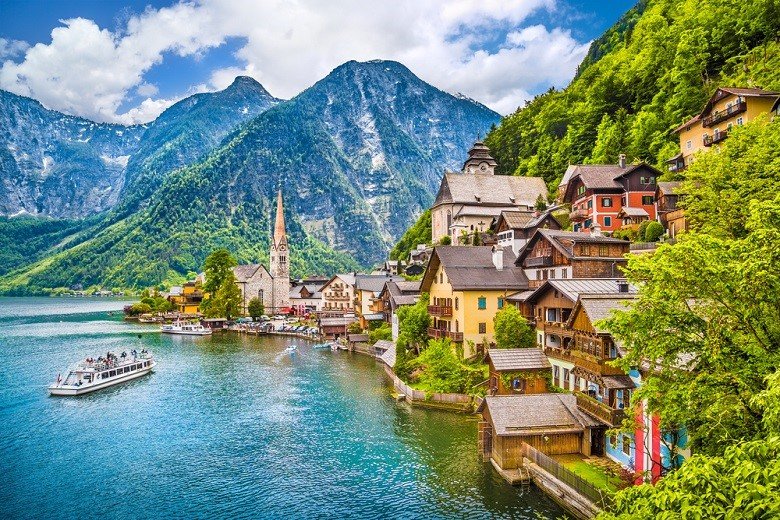
Hallstatt, though a village rather than a city, deserves a spot on any list of Austria’s must-see destinations. Situated on the shores of Lake Hallstatt and surrounded by the Dachstein Alps, it’s one of the most photographed places in the country. This UNESCO World Heritage Site is known for its 16th-century alpine houses, narrow alleys, and historic salt mine—the oldest in the world. Hallstatt offers a fairy-tale atmosphere that draws visitors seeking peace, nature, and stunning scenery. Despite its small size, it leaves a lasting impression.
- Klagenfurt – Serenity by the Lake
Klagenfurt, the capital of Carinthia, lies on the edge of Lake Wörthersee and is known for its relaxed pace and beautiful natural surroundings. With a Mediterranean-like climate in summer, the city becomes a popular destination for sunseekers and swimmers. Klagenfurt’s Renaissance-style Old Town features charming courtyards, markets, and the iconic Lindwurm Fountain. Its mix of outdoor leisure and cultural offerings—like the Carinthian Museum of Modern Art and local festivals—makes it ideal for those looking to enjoy Austria beyond the mountains and big cities.
- Bregenz – Culture on the Lake
Located on the eastern shore of Lake Constance, Bregenz is a city where water, mountains, and culture meet. It’s best known for the Bregenzer Festspiele, a world-famous opera festival held on a floating stage on the lake, creating a truly magical setting. Bregenz also boasts impressive modern art at the Kunsthaus Bregenz and offers cable car access to the Pfänder Mountain for panoramic views. Whether you’re interested in arts, nature, or simply relaxing by the water, Bregenz offers a refreshing and culturally rich escape.
- Sankt Pölten – A Growing Capital of Lower Austria
Sankt Pölten is one of Austria’s newer state capitals but is quickly growing into a modern city with an eye on innovation. Located west of Vienna, it offers a mix of historic architecture and sleek new developments. Baroque buildings line the main square, while the government quarter showcases cutting-edge design. The city is also a regional hub for education, business, and culture, with venues like the Festspielhaus and contemporary galleries adding to its appeal. Sankt Pölten is a testament to Austria’s blend of tradition and forward-thinking urban planning.
- Villach – The Warm South’s Hidden Treasure
Villach, in southern Austria near the Italian and Slovenian borders, is known for its thermal spas, lakes, and multicultural atmosphere. Its position at the crossroads of Europe has made it a melting pot of languages and cuisines. The city is surrounded by natural beauty, including Lake Faak and the Dobratsch Nature Park. Villach also hosts a range of festivals, such as the colorful Villacher Kirchtag, reflecting its lively spirit. It’s a great base for exploring southern Austria’s lakes and mountains while enjoying a friendly, laid-back city vibe.
Where to stay in Austria
- Vienna – For Culture and City Life
- Best for: Museums, palaces, shopping, and classical music.
- Stay in: Innere Stadt (1st District) for luxury and sightseeing, or Leopoldstadt for a more relaxed, budget-friendly option near the Danube.
- Top Picks:
- Luxury: Hotel Sacher, The Ritz-Carlton Vienna
- Mid-range: Hotel Stefanie, 25hours Hotel
- Budget: Wombat’s City Hostel, Meininger Hotel
- Salzburg – For History and Music Lovers
- Best for: Mozart fans, baroque architecture, and scenic views.
- Stay in: Altstadt (Old Town) for atmosphere and walkability or Elisabeth-Vorstadt for budget options near the train station.
- Top Picks:
- Luxury: Hotel Goldener Hirsch
- Mid-range: Hotel Amadeus
- Budget: YoHo International Youth Hostel
- Innsbruck – For Alpine Adventure
- Best for: Skiing, hiking, and mountain views.
- Stay in: Innsbruck city center for easy access to attractions or Igls for a more Alpine resort feel.
- Top Picks:
- Luxury: aDLERS Hotel, The Penz Hotel
- Mid-range: NALA Individuellhotel
- Budget: Montagu Hostel
Things to do in Austria
- Explore Vienna’s Imperial Heritage
Visit Schönbrunn Palace, the Hofburg, and St. Stephen’s Cathedral to immerse yourself in the grandeur of the Habsburg Empire. Don’t miss a classical concert or opera performance in one of Vienna’s historic venues.
- Wander Through Salzburg’s Old Town
Stroll the baroque streets, visit Mozart’s birthplace, and hike up to Hohensalzburg Fortress for panoramic views. If you’re there in summer, catch the Salzburg Festival for world-class music and theater.
- Ski or Hike in the Austrian Alps
Innsbruck and Tyrol offer year-round outdoor activities — from skiing and snowboarding in winter to hiking and mountain biking in summer. The breathtaking Alpine scenery is unforgettable.
Day trip from Austria
From Vienna:
- Wachau Valley – Famous for its vineyards, charming villages like Dürnstein, and the Danube River views. Perfect for wine tasting, hiking, and visiting Melk Abbey, a stunning Baroque monastery.
- Bratislava, Slovakia – Just about an hour away by train or boat, you can explore Slovakia’s capital with its medieval old town, hilltop castle, and vibrant café scene.
- Lainzer Tiergarten – A beautiful wildlife preserve and nature reserve on Vienna’s outskirts, great for hiking and spotting deer.
From Salzburg:
- Eagle’s Nest (Kehlsteinhaus) – A historical mountaintop retreat used by Hitler, located in the Bavarian Alps. Offers spectacular views and WWII history.
- Werfen Ice Caves (Eisriesenwelt) – The largest ice cave system in the world, an incredible natural wonder just 40 minutes from Salzburg.
- Salzkammergut Lakes – Explore the scenic lake region with stops at St. Wolfgang or Hallstatt for crystal-clear waters and alpine charm.
From Innsbruck:
- Swarovski Crystal Worlds – Located in Wattens, just 20 minutes from Innsbruck, it’s a dazzling museum and art installation dedicated to Swarovski crystals.
- Achensee Lake – The largest lake in Tyrol, great for swimming, boating, and hiking surrounded by mountains.
- Zillertal Valley – A paradise for nature lovers offering hiking, cycling, and traditional Austrian villages.