

Introduction
Spain is a vibrant and diverse country located in southwestern Europe on the Iberian Peninsula, sharing borders with Portugal and France. Known for its rich history, stunning architecture, and passionate culture, Spain offers a unique blend of influences from Roman, Moorish, and Christian civilizations.The country is famous for its world-class art, flamenco dancing, tapas cuisine, sunny Mediterranean beaches, and iconic cities like Madrid, Barcelona, Seville, and Granada.
- Understand the Meaning of Tapas
The word “tapas” comes from the Spanish verb tapar, meaning “to cover.” Historically, tapas were slices of bread or meat used to cover drinks and keep flies out. Over time, they evolved into a full-fledged culinary tradition, reflecting Spain’s diverse regional flavors. Tapas are not just food—they’re a social ritual. Spaniards gather with friends and family over tapas, often making an evening of bar-hopping and sampling a variety of small dishes.
- Choose the Right Region
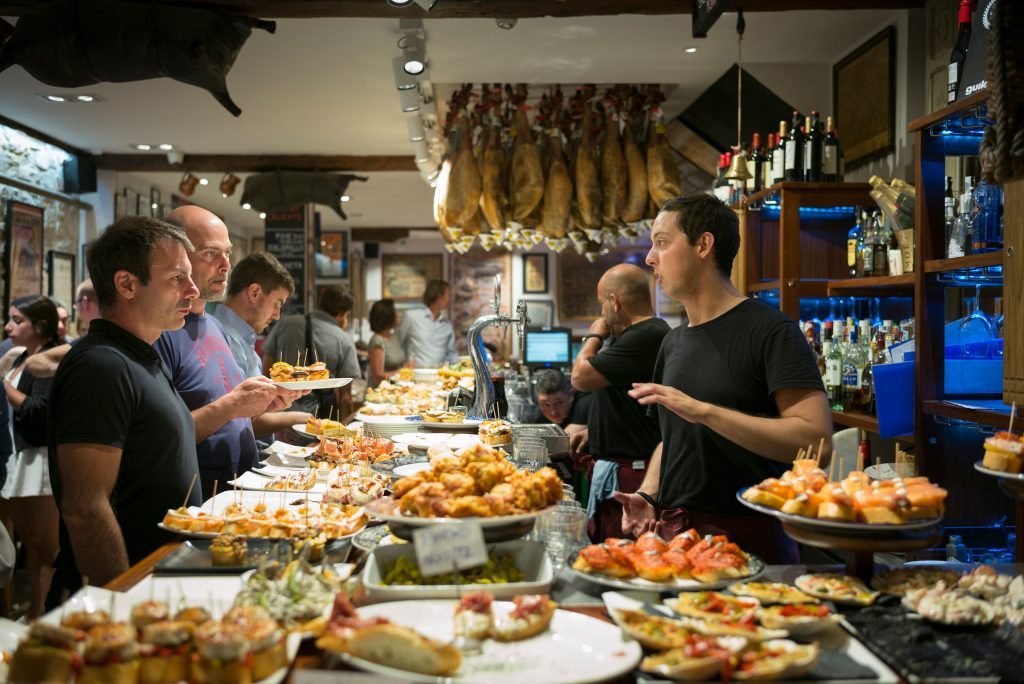
Spain’s tapas culture varies greatly by region. In Andalusia, especially in cities like Granada, tapas are often served free with drinks. In San Sebastian, the Basque version—called pintxos—is served on skewers or toothpicks and often features gourmet ingredients. Madrid offers a blend of regional styles, while Barcelona brings Catalan influences into the mix. Each region has its specialties, so it’s worth tasting your way across different cities.
- Start with the Classics
If it’s your first time, begin with traditional staples:
- Patatas bravas – fried potatoes with spicy tomato sauce and aioli
- Tortilla espanola – a thick potato and onion omelet
- Gambas al ajillo – sizzling garlic shrimp
- Jamon iberico – dry-cured ham from acorn-fed pigs
- Croquetas – creamy, breaded bites filled with ham, cheese, or mushrooms
These dishes form the backbone of most tapas menus and provide a solid introduction to Spanish flavors.
- Pair with Local Drinks
Tapas are best enjoyed with a drink in hand. In southern Spain, try a glass of sherry (jerez). In the north, opt for txakoli, a slightly sparkling white wine. Red wine, sangria, and beer are universally enjoyed. Each region has its specialties, so be sure to ask the bartender or server what pairs best with your dishes.
- Go on a Tapas Crawl (Tapeo)
The real magic of tapas lies in tapeo—the tradition of hopping from bar to bar, sampling one or two tapas and a drink at each stop. It’s casual, social, and incredibly fun. Locals often stand at the bar, chat with strangers, and share plates. To truly experience Spanish nightlife, join the locals and embrace the spirit of wandering.
- Don’t Expect a Full Meal in One Spot
Tapas are meant to be shared and eaten in small quantities over time. A full evening might involve visiting four to five different bars, enjoying a couple of dishes and drinks at each. This allows you to experience a variety of flavors, atmospheres, and local specialties. Skip the big dinner reservation and let the tapas guide your evening.
- Follow the Locals
One of the best ways to find great tapas bars is to follow the crowds—especially those filled with locals. In Spain, locals are discerning and loyal to their favorite spots. A bar buzzing with conversation, standing diners, and plates piled with food is a sure sign you’ve found a winner. Don’t hesitate to ask locals for recommendations—they’re usually happy to share their favorite hidden gems.
- Try Regional Specialties
Each region in Spain boasts unique tapas:
- In Seville, sample espinacas con garbanzos (spinach with chickpeas).
- In Galicia, try pulpo a la gallega (octopus with paprika and potatoes).
- In the Basque Country, indulge in high-end pintxos with foie gras or seafood.
- In Valencia, enjoy esgarraet—a dish of roasted red peppers and salted cod.
Exploring regional variations offers insight into Spain’s culinary diversity.
- Mind the Etiquette
Tapas culture is casual, but there are a few unwritten rules:
- Sharing is expected: Order a few dishes for the table and try everything.
- Stand at the bar: Many locals prefer to stand rather than sit—it’s quicker and often cheaper.
- Don’t rush: Tapas is about enjoying the moment, not just filling up.
- Tidy up: In pintxo bars, you might keep your toothpicks for the bill, but otherwise, try to leave your space tidy.
- Join a Tapas Tour
If you’re unsure where to start or want a more in-depth experience, join a guided tapas tour. These tours, available in most Spanish cities, often include stops at family-run bars, markets, and hidden gems not listed in guidebooks. You’ll learn about the history behind the dishes, local customs, and even cooking techniques—all while enjoying an expertly curated tasting experience.
Where to stay in Spain
1. Barcelona
- Luxury: Hotel Arts Barcelona (beachfront, 5-star)
- Mid-range: H10 Metropolitan (central, modern)
- Budget: Sant Jordi Hostels Rock Palace (great for backpackers)
- Neighborhoods: Eixample (central), Gothic Quarter (historic charm), Gracia (local vibe)
2. Madrid
- Luxury: The Westin Palace Madrid (near museums)
- Mid-range: Only YOU Hotel Atocha (trendy, near Retiro Park)
- Budget: The Hat Madrid (stylish hostel near Plaza Mayor)
- Neighborhoods: Sol (central), Chueca (vibrant), Salamanca (upscale)
3. Seville
- Luxury: Hotel Alfonso XIII (historic, royal feel)
- Mid-range: Hotel Casa 1800 (charming and central)
- Budget: La Banda Rooftop Hostel (great views and vibe)
- Neighborhoods: Santa Cruz (historic), Triana (local and artistic)
Things to do in Spain
1. Explore the Alhambra in Granada
A stunning Moorish palace and fortress complex with intricate Islamic architecture and lush gardens. A UNESCO World Heritage Site and must-see.
2. Admire Gaudi’s Masterpieces in Barcelona
Marvel at the Sagrada Familia, Park Güell, Casa Batllo, and La Pedrera—fantastical architectural wonders that define Barcelona.
3. Watch a Flamenco Show in Seville
Experience the passion and rhythm of flamenco in Andalusia’s capital—best seen in Triana or a cave venue in Granada.
Day trip from Spain
From Madrid:
1. Toledo
- Why go: A stunning medieval city with Christian, Muslim, and Jewish heritage.
- Highlights: Toledo Cathedral, Alcazar, El Greco Museum
- Travel time: ~30 minutes by high-speed train
2. Segovia
- Why go: Home to a Roman aqueduct, fairy-tale castle (Alcázar), and roast suckling pig.
- Travel time: ~30 minutes by high-speed train
3. Avila
- Why go: Known for its perfectly preserved medieval city walls and religious history.
- Travel time: ~1.5 hours by train
From Barcelona:
1. Montserrat
- Why go: A scenic mountain range with a monastery and hiking trails.
- Travel time: ~1.5 hours by train and cable car
2. Sitges
- Why go: A charming beach town with art galleries, nightlife, and coastal views.
- Travel time: ~40 minutes by train
3. Girona
- Why go: A medieval city with Game of Thrones filming sites and a well-preserved Jewish Quarter.
- Travel time: ~1 hour by train