

Introduction
The Netherlands is a small but densely populated country in Western Europe, known for its flat landscape, iconic windmills, tulip fields, canals, and strong cycling culture. Its capital, Amsterdam, is famous for historic architecture, museums, and vibrant nightlife. The country has a highly developed infrastructure, progressive social policies, and a strong economy. The Dutch are known for their tolerance, innovation, and deep connection to water management, with much of the country lying below sea level. As a founding member of the EU and NATO, the Netherlands plays an active role in global affairs.
- Step into History
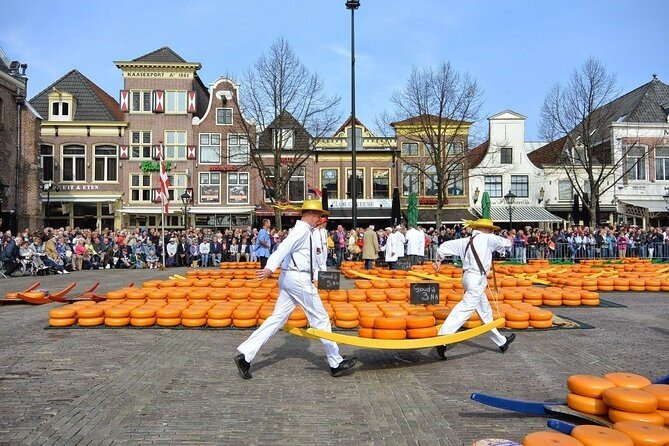
A visit to a Dutch cheese market is like walking into the past. These events are more than open-air shopping spaces—they’re historical reenactments. Towns like Alkmaar and Gouda transform their central squares into 17th-century trade scenes, with cheese carriers dressed in white outfits and straw hats, clapping hands with traders and weighing massive wheels of cheese using ancient scales. The sense of authenticity is palpable, blending education with entertainment.
- The Iconic Cheese Carriers
At the heart of the spectacle are the cheese carriers—members of guilds that have existed for centuries. These men move cheese on wooden sledges slung between them in a unique fast-paced trot, bouncing in rhythm through cobbled streets. The tradition may look playful, but it’s deeply ceremonial and precise. Each movement, each step, and even the colors of the carriers’ straw hats signify rank and guild.
- Alkmaar: The Grandest of Them All
Alkmaar’s cheese market is arguably the most famous in the country, held every Friday from April through September. Thousands of spectators line Waagplein (Weighing Square) to witness the full theatrical experience, complete with a running commentary in multiple languages. The nearby Cheese Museum and Waaggebouw (Weigh House) further enhance the experience, turning your morning outing into a full-day cultural immersion.
- Gouda: Cheese Meets Craftsmanship
Held every Thursday from April to August, Gouda’s market is equally historic but with a slightly more local feel. Traders and farmers still use handclaps to seal deals—a practice dating back hundreds of years. In addition to cheese sales, you’ll find stalls selling handcrafted Dutch wares, wooden clogs, and local delicacies like stroopwafels. Don’t miss the 15th-century town hall nearby—it’s a postcard-perfect backdrop for your visit.
- Edam: Small But Authentic
While Alkmaar and Gouda get the most international visitors, Edam offers a quieter and more intimate cheese market experience. Here, the cheese is sometimes delivered by horse-drawn carts or even by canal boats, harkening back to when Edam cheese was shipped across Europe. The market usually operates on Wednesdays in summer and includes demonstrations of cheese making, tasting booths, and costumed townspeople who help bring the past to life.
- Cheese Tasting Galore
One of the biggest draws of any Dutch cheese market is the chance to sample an astonishing variety of cheeses—young and old, smoked and spiced, firm and creamy. Whether it’s the mellow smoothness of young Gouda or the nutty, crystal-studded bite of aged Boerenkaas (farmer’s cheese), there’s something for every palate. Vendors are generous with samples and knowledgeable about their products, offering tips on pairing with bread, mustard, or wine.
- Learn the Cheese-Making Process
Many markets offer live demonstrations of traditional cheese-making. See how milk is transformed into curds and whey, learn about the importance of aging, and understand how different molds or herbs affect flavor. Some towns even allow you to step inside a working cheese dairy or museum. It’s an educational aspect that makes the market appealing for families, students, and anyone curious about where their food comes from.
- Festive Atmosphere and Local Culture
These cheese markets aren’t just about cheese—they’re lively celebrations of Dutch culture. You’ll often find traditional music, clog dancers, accordion players, and street performers. Locals and tourists mingle in a convivial atmosphere, and food stalls offer everything from herring and pancakes to licorice and craft beer. It’s an excellent way to experience Dutch hospitality, taste regional treats, and pick up unique souvenirs.
- The Historic Weigh Houses
A standout feature at many markets is the “Waag” or Weigh House, historic buildings where cheese used to be officially weighed before sale. These architectural gems are now often museums or visitor centers, offering exhibits on Dutch trade, agriculture, and market life. In places like Gouda and Alkmaar, you can even try your hand at weighing cheese yourself using the original balancing scales.
- Beyond the Market: Explore the Towns
The towns hosting cheese markets are destinations in their own right. Alkmaar boasts picturesque canals, boutique shopping, and charming cafés. Gouda is known for its stunning stained-glass church and lively weekly markets. Edam’s peaceful streets and water-lined walkways make for an idyllic afternoon stroll. Many visitors choose to rent bikes or take boat tours after the market, enjoying the scenic countryside that surrounds these historic hubs.
Where to stay in Netherlands
- Amsterdam – Best for First-Time Visitors
- Why stay here: Iconic canals, museums (like the Van Gogh and Rijksmuseum), nightlife, and bike tours.
- Best areas: Jordaan (charming), De Pijp (trendy), Centrum (central but busy).
- Recommended stays: Boutique hotels, canal-view apartments, budget hostels like Clink noord or Stayokay Vondelpark.
- Rotterdam – Best for Modern Architecture & Nightlife
- Why stay here: Europe’s largest port, bold modern design, and great food scene.
- Best areas: City Center, Kop van Zuid.
- Accommodation types: Design hotels, waterfront apartments.
- Utrecht – Best for a Local Vibe
- Why stay here: Less touristy, beautiful canals, student energy.
- Best areas: Binnenstad (historic center), Lombok (vibrant and diverse).
- Recommended stays: Quaint B&Bs, stylish guesthouses.
Things to Do in the Netherlands
- Explore Amsterdam’s Canals and Museums
- Take a canal cruise or rent a bike to explore the city.
- Visit world-class museums like the Rijksmuseum, Van Gogh Museum, and Anne Frank House.
- Stroll through Jordaan or shop in the Nine Streets (De Negen Straatjes).
- Visit Keukenhof and the Tulip Fields (Spring Only)
- Open March to May, Keukenhof Gardens is a floral wonderland.
- Cycle through nearby Bollenstreek to see endless tulip fields in bloom.
- Tour Windmills at Kinderdijk or Zaanse Schans
- Kinderdijk (UNESCO-listed) features 19 historic windmills in a classic polder landscape.
- Zaanse Schans offers working windmills, cheese-making, and traditional crafts.
Day Trips within the Netherlands
- Zaanse Schans (from Amsterdam – 20 min)
- Visit traditional windmills, wooden houses, and cheese farms.
- Great for history and Dutch crafts like clog-making.
- Keukenhof & Tulip Fields (from Amsterdam or Leiden – 30–45 min, seasonal: March–May)
- Stroll through 7 million flowers and bike around nearby tulip fields.
- Delft (from The Hague or Rotterdam – 15–30 min)
- Known for its blue pottery, Vermeer, and beautiful canals.
- A charming town with great shopping and peaceful vibes.