

Berlin wall history guide
Introduction
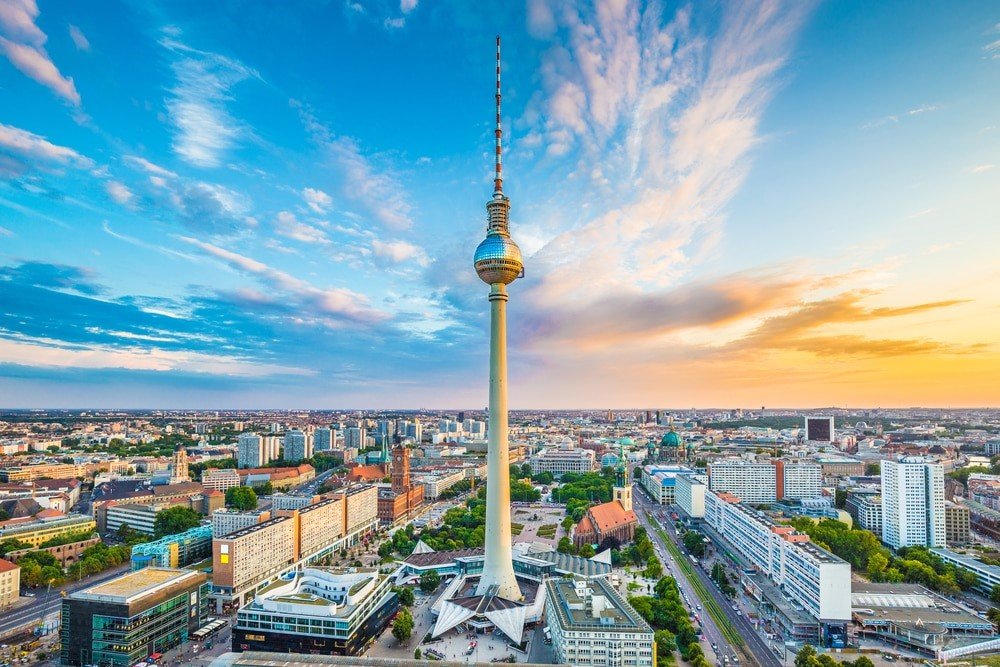
Berlin is the capital and largest city of Germany, located in the northeastern part of the country. Known for its rich history, vibrant culture, and dynamic arts scene, Berlin played a central role in 20th-century events like World War II and the Cold War. After the war, it was divided into East and West Berlin, symbolizing the global divide between communism and democracy until the Berlin Wall fell in 1989. Today, Berlin is a diverse, modern metropolis known for landmarks like the Brandenburg Gate, Reichstag, and Berlin Wall Memorial, attracting millions of visitors each year.
- Origins of a Divided Berlin
Following World War II, Germany was divided into four occupation zones controlled by the U.S., U.K., France, and the Soviet Union. Berlin, though located within the Soviet zone, was similarly divided. Tensions between the Soviet-backed East and the Western Allies intensified, leading to political, economic, and social divergence. By the late 1940s, two separate German states had formed: the capitalist Federal Republic of Germany (West Germany) and the communist German Democratic Republic (East Germany).
- Reasons Behind the Wall’s Construction
Between 1949 and 1961, over 2.7 million East Germans fled to West Germany, many through the open border in Berlin. This “brain drain” threatened the East German economy and embarrassed the communist regime. On August 13, 1961, East Germany, with Soviet support, suddenly erected a barbed wire barrier—later replaced by concrete—to prevent further emigration. It split neighborhoods, families, and friends overnight.
- Construction and Evolution of the Wall
Initially a crude barbed wire fence, the Berlin Wall quickly evolved into a heavily fortified barrier. The final version, known as the “fourth-generation wall,” included:
- A 12-foot concrete wall topped with a smooth pipe to prevent climbing
- A “death strip” with guard towers, dogs, floodlights, and trip-wire guns
- Trenches to stop vehicles from crashing through
This militarized zone stretched over 155 kilometers around West Berlin.
- Life on Either Side
West Berlin became a symbol of freedom and prosperity, backed by Western allies and filled with consumer culture, political openness, and economic opportunity. In contrast, East Berlin was marked by strict surveillance, shortages, and repression under the Stasi (secret police). Families were often divided, and communication between the two Berlins became nearly impossible without state permission.
- Famous Escape Attempts
Over the years, around 5,000 people attempted to flee East Berlin, with at least 140 deaths. Escape methods were often daring:
- Digging tunnels under the wall
- Hot air balloons and makeshift gliders
- Crashing vehicles through checkpoints
- Hiding in modified cars or trains
One of the most iconic images is that of Conrad Schumann, an East German border guard who leapt over barbed wire just days after construction began in 1961.
- Checkpoint Charlie and Other Crossing Points
Checkpoint Charlie became the most famous crossing between East and West Berlin, reserved for foreign nationals and diplomats. It also became the site of Cold War showdowns, including a tense 1961 standoff between U.S. and Soviet tanks. Other checkpoints—like Bornholmer Strasse and Friedrichstrasse—also played key roles, especially during the wall’s fall in 1989.
- International Reaction and the Cold War Symbol
The Berlin Wall became the ultimate symbol of the Cold War. U.S. Presidents visited the city to express solidarity, most famously John F. Kennedy’s 1963 “Ich bin ein Berliner” speech, which reaffirmed America’s commitment to defending West Berlin. In 1987, Ronald Reagan delivered his iconic challenge: “Mr. Gorbachev, tear down this wall!”
- The Wall Begins to Crumble
In the late 1980s, change swept across Eastern Europe. Soviet leader Mikhail Gorbachev’s reforms (glasnost and perestroika) reduced the USSR’s control over satellite states. Pro-democracy movements grew in East Germany. On November 9, 1989, a miscommunication at a press conference led to border guards allowing people to cross freely. Crowds rushed the wall, and by that night, Berliners from both sides were celebrating together atop it.
- The Wall’s Fall and German Reunification
The fall of the Berlin Wall signaled the beginning of the end for East Germany. Within a year, Germany was reunified on October 3, 1990. The event also marked the symbolic conclusion of the Cold War. Germany embarked on the massive task of integrating the two systems, economies, and societies—a process that continues to influence the country today.
- The Berlin Wall Today: Memorials and Museums
Much of the wall has been dismantled, but important sections remain:
- East Side Gallery: A 1.3 km stretch turned into an open-air art gallery
- Berlin Wall Memorial (Bernauer Strasse): Preserves a section with original features, including the death strip
- Checkpoint Charlie Museum: Exhibits escape tools and Cold War history
- Topography of Terror: Built on the former Gestapo headquarters, this museum contextualizes Nazi and GDR oppression
These sites offer insight into the wall’s impact and serve as powerful reminders of the cost of division.
Where to stay in Berlin
- Mitte – Best for First-Time Visitors
- Why stay here: Central location, close to major attractions like Brandenburg Gate, Museum Island, and the Berlin TV Tower.
- Vibe: Historic, walkable, convenient.
- Top hotels/hostels:
- Hotel Adlon Kempinski (luxury)
- The Circus Hostel (budget-friendly and social)
- Kreuzberg – Best for Nightlife & Art
- Why stay here: Trendy, multicultural, full of street art, bars, and indie cafés.
- Vibe: Hip, alternative, creative.
- Top picks:
- Orania.Berlin (boutique hotel)
- Grand Hostel Berlin Classic (budget/social)
- Prenzlauer Berg – Best for Cafés & Local Life
- Why stay here: Family-friendly, relaxed, with cobbled streets and artisan coffee spots.
- Vibe: Chic, bohemian, laid-back.
- Top picks:
- Hotel Oderberger (stylish with history)
- Airbnb apartments (local living)
Things to do in Berlin
- Visit the Brandenburg Gate
A symbol of unity and peace, this neoclassical monument once stood between East and West Berlin.
- Explore the Berlin Wall Memorial
Walk along preserved sections of the wall and learn about its impact at Bernauer Strasse and the East Side Gallery—an open-air art installation on the longest surviving stretch.
- Tour Museum Island
Located on the Spree River, this UNESCO World Heritage Site houses five world-class museums, including the Pergamon and Neues Museum.
Day trip from Berlin
- Potsdam – Palaces & Gardens
- Travel time: ~45 minutes by train
- Highlights: Sanssouci Palace (Germany’s Versailles), Cecilienhof (site of the Potsdam Conference), beautiful parks, Dutch Quarter.
- Why go: A UNESCO World Heritage Site rich in Prussian history and architecture.
2. Sachsenhausen Concentration Camp Memorial
- Travel time: ~1 hour by train to Oranienburg
- Highlights: Guided tours, original barracks, and educational exhibits about Nazi-era atrocities.
- Why go: A powerful, sobering historical experience.
3. Spreewald – Nature & Traditional Villages
- Travel time: ~1.5 hours by train
- Highlights: Canoeing through scenic canals, traditional Sorbian culture, and local pickles!
- Why go: Unique biosphere reserve and peaceful countryside escape.