

Introduction
Asia’s cities are as diverse in their shopping offerings as they are in their cultures. Whether you’re looking for high fashion in Tokyo, handmade crafts in Delhi, or trendy cosmetics in Seoul, each city provides a unique flavor of retail therapy. From world-class malls to chaotic markets and everything in between, the continent offers unforgettable shopping adventures for every type of traveler.
- Great Wall of China – China
Stretching over 21,000 kilometers, the Great Wall of China is one of the most iconic and enduring man-made structures in the world. Originally built to protect Chinese states from northern invasions, construction began as early as the 7th century BC and continued through various dynasties. Today, the most visited sections near Beijing like Badaling and Mutianyu draw millions of tourists every year. Walking on the Great Wall offers a stunning view of China’s landscapes and a deep connection to its ancient past.
Why it’s iconic: A UNESCO World Heritage Site and symbol of China’s strength and perseverance.
- Taj Mahal – India
Located in Agra, the Taj Mahal is often described as the most beautiful building in the world. This white marble mausoleum was commissioned by Mughal Emperor Shah Jahan in memory of his wife Mumtaz Mahal in the 17th century. With its symmetrical architecture, exquisite inlays of precious stones, and romantic story, the Taj is a masterpiece of Mughal art and a symbol of eternal love.
Why it’s iconic: A UNESCO World Heritage Site and one of the New Seven Wonders of the World.
- Angkor Wat – Cambodia
Angkor Wat, the world’s largest religious monument, is the heart of the ancient Khmer Empire. Built in the early 12th century, it was originally dedicated to the Hindu god Vishnu but later transformed into a Buddhist temple. Located in Siem Reap, the temple complex features massive towers, intricate carvings, and long galleries depicting Hindu epics. Sunrise over Angkor Wat is one of Asia’s most unforgettable sights.
Why it’s iconic: A symbol of Cambodia featured on its national flag, and a marvel of ancient engineering and religious devotion.
- Petronas Towers – Malaysia
Dominating the skyline of Kuala Lumpur, the Petronas Twin Towers were once the tallest buildings in the world. At 452 meters tall, the towers are connected by a skybridge on the 41st and 42nd floors, offering panoramic views of the city. Built in 1998, they represent Malaysia’s rapid economic growth and modern aspirations.
Why it’s iconic: An architectural marvel and national symbol of modern Malaysia.
- Mount Fuji – Japan
Rising 3,776 meters above sea level, Mount Fuji is Japan’s highest peak and a deeply sacred site. Located near Tokyo, this perfectly symmetrical volcano has inspired countless works of art, poetry, and pilgrimages. While many admire it from afar, thousands of climbers ascend to the summit each year during the official climbing season from July to September.
Why it’s iconic: A sacred natural symbol of Japan featured in centuries of art and literature.
- Burj Khalifa – United Arab Emirates
Standing at a staggering 828 meters, the Burj Khalifa in Dubai is the tallest building in the world. Completed in 2010, this marvel of engineering symbolizes Dubai’s futuristic vision and ambition. Visitors can take an elevator to the observation decks on the 124th, 125th, and 148th floors to enjoy panoramic views of the city, desert, and ocean.
Why it’s iconic: A record-breaking skyscraper representing Asia’s modern architectural achievements.
- Ha Long Bay – Vietnam
Ha Long Bay, in northern Vietnam, is a natural wonder made up of over 1,600 limestone islands and islets rising from emerald waters. The bay is steeped in legend and is known for its stunning karst landscapes, caves, and floating fishing villages. Cruises through the bay offer a serene and scenic experience that feels almost otherworldly.
Why it’s iconic: A UNESCO World Heritage Site and one of the most beautiful seascapes in the world.
- Borobudur – Indonesia
Located in Central Java, Borobudur is the largest Buddhist temple in the world. Built in the 9th century, it consists of nine stacked platforms adorned with over 2,600 relief panels and 500 Buddha statues. The temple is designed to represent the path to enlightenment, with pilgrims circling the monument in a spiritual journey.
Why it’s iconic: A cultural and spiritual masterpiece that symbolizes Indonesia’s deep Buddhist heritage.
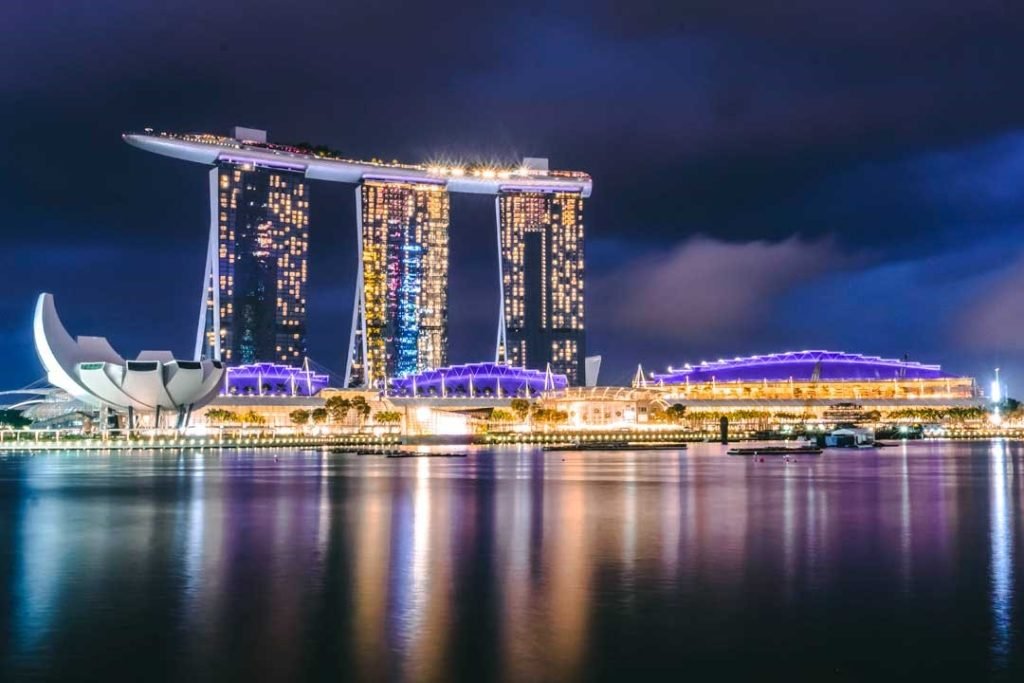
- Marina Bay Sands – Singapore
More than just a hotel, Marina Bay Sands is an architectural icon in the heart of Singapore. Its three towers are crowned with a boat-shaped SkyPark that houses the world’s longest infinity pool. It also features luxury shopping, fine dining, a casino, and the ArtScience Museum. The view from the SkyPark is one of the best in the city.
Why it’s iconic: A modern symbol of Singapore’s skyline and innovation.
- Shwedagon Pagoda – Myanmar
Towering over Yangon, the Shwedagon Pagoda is Myanmar’s most sacred Buddhist site. Believed to be over 2,600 years old, this golden stupa is encrusted with thousands of diamonds and other precious stones. It is said to enshrine relics of four previous Buddhas, making it a site of pilgrimage and spiritual significance.
Why it’s iconic: A revered religious landmark that reflects Myanmar’s spiritual and cultural depth.
Where to stay in Asia
- Japan – Modern Meets Traditional
- Best for: Families, solo travelers, cultural explorers
- Cities to Stay: Tokyo (Shinjuku, Asakusa), Kyoto (Gion, Arashiyama), Osaka (Namba)
- Types of Accommodation:
- Ryokans (traditional Japanese inns) for cultural immersion
- Capsule hotels for budget solo travel
- Mid-range hotels with family rooms
- Airbnb options for longer stays
- Thailand – Budget-Friendly and Beachy
- Best for: Backpackers, families, beach lovers
- Cities to Stay: Bangkok (Sukhumvit, Silom), Chiang Mai (Old City), Phuket, Krabi, Koh Samui
- Types of Accommodation:
- Guesthouses and hostels (especially in Chiang Mai)
- Beach resorts with pools and kids’ clubs
- Boutique hotels and eco-lodges
- Affordable luxury resorts
- Indonesia – Island Getaways
- Best for: Couples, spiritual travelers, surfers
- Cities/Islands to Stay: Bali (Ubud, Canggu, Seminyak), Lombok, Gili Islands
- Types of Accommodation:
- Private villas with pools
- Yoga retreats and wellness resorts
- Budget bungalows near the beach
- Eco-resorts for a sustainable stay
Things to do in Asia
- Visit the Great Wall of China (China)
Walk along one of the world’s most iconic landmarks. The Great Wall stretches over 13,000 miles and offers stunning views, especially from sections like Mutianyu or Jinshanling.
- Explore Ancient Temples in Angkor Wat (Cambodia)
Wander through the majestic ruins of Angkor Wat, a UNESCO World Heritage Site, and one of the largest religious monuments in the world. Sunrise over the temple is a must-see.
- Experience a Japanese Tea Ceremony (Japan)
Take part in a traditional tea ceremony in Kyoto, where elegance, mindfulness, and culture combine. It’s a serene way to experience Japanese hospitality and history.
Day trip from Asia
🇯🇵 From Tokyo, Japan: Hakone
- What to Do: Hot springs (onsen), Lake Ashi boat rides, views of Mt. Fuji, Hakone Open-Air Museum
- Travel Time: ~1.5 hours by train
- Why Go: A relaxing nature escape from Tokyo with classic Japanese scenery.
🇹🇭 From Bangkok, Thailand: Ayutthaya
- What to Do: Explore ancient temples and ruins, bike around the historic park, river cruise
- Travel Time: ~1 hour by train or car
- Why Go: A glimpse into Thailand’s former capital and royal heritage.
🇻🇳 From Hanoi, Vietnam: Ninh Binh
- What to Do: Boat rides through Tam Coc, hike to Mua Cave, visit ancient temples and limestone karsts
- Travel Time: ~2 hours by car
- Why Go: A scenic, peaceful alternative to the more touristy Ha Long Bay.