
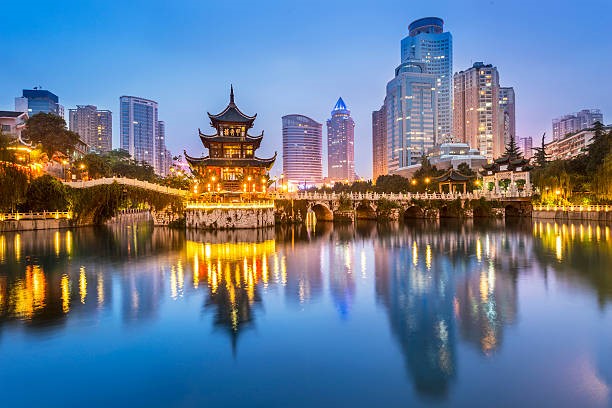

Night markets in Asia
Introduction
Asia is the largest and most diverse continent on Earth, both in terms of geography and culture. It spans from the icy tundra’s of Siberia to the tropical islands of Southeast Asia, and includes deserts, mountains, rainforests, and megacities. Home to over 4.7 billion people, Asia is the birthplace of major religions like Buddhism, Hinduism, Islam, and more. It includes economic powerhouses like China, Japan, and India, while also offering rich traditions, ancient history, and world-famous cuisine. Whether you’re exploring temples, trekking mountains, or relaxing on beaches, Asia offers an unforgettable experience for every traveler.
- Night Markets Are a Cultural Tradition, Not Just Shopping Spots
Night markets in Asia are more than commercial spaces—they’re deeply rooted in local culture. Historically, many began as informal evening bazaars where traders sold street food, household items, and handmade goods to workers returning home. Over time, they evolved into social hubs where locals gather, eat, and relax. In Taiwan, for example, night markets are considered essential community spaces, often linked to nearby temples or neighborhoods.
- Street Food Is the Star of the Show
Food is arguably the biggest draw at any Asian night market. Each country—and often each city—has its own specialties. In Bangkok’s Ratchada Train Market, grilled skewers, pad Thai, mango sticky rice, and fried insects share space. Taiwan’s Shilin Night Market offers iconic dishes like stinky tofu, oyster omelets, and bubble tea. Meanwhile, Penang’s Gurney Drive Market is a paradise for Malaysian street eats like char kway teow, satay, and laksa. The food is cheap, fast, and full of flavor.
- Bargaining Is Often Expected—But Politeness Is Key
In many night markets, especially those in Southeast Asia (like Vietnam, Indonesia, or Thailand), haggling is part of the experience. Shoppers are expected to bargain, but the process should be respectful and friendly. Vendors often quote higher prices to tourists, but a smile and a bit of charm go a long way in getting a better deal. However, in places like Japan or South Korea, prices are usually fixed and haggling is uncommon.
- They Showcase Local Crafts and Fashion
Night markets are a fantastic place to discover local artisans and indie designers. In places like Chiang Mai’s Sunday Night Market or the Angkor Night Market in Cambodia, you’ll find handmade jewelry, silk scarves, leather goods, and traditional crafts. These markets provide opportunities to buy directly from small vendors, supporting the local economy. In trendy spots like Seoul’s Dongdaemun Night Market, you’ll also find affordable streetwear and K-fashion.
- Every Market Has Its Own Personality
No two night markets are the same. The atmosphere can vary wildly depending on location. Taiwan’s Raohe Night Market is known for its compact layout and mouthwatering eats, while Chatuchak Green (JJ Green) in Bangkok combines vintage shopping with live music and beer gardens. Luang Prabang’s night market in Laos is serene and laid-back, reflecting the city’s peaceful vibe, while Taipei’s Ningxia Market feels cozy and nostalgic. Understanding the vibe helps you choose the right one for your travel style.
- They’re Perfect for Budget Travelers
If you’re traveling through Asia on a tight budget, night markets are a dream come true. You can fill up on dinner, grab a souvenir, and enjoy entertainment—all for the equivalent of a few dollars. Street food meals often cost just $1–$3, and many items for sale are significantly cheaper than in malls or tourist shops. This affordability makes night markets a great place to spend your evenings without denting your wallet.
- Entertainment and Games Add to the Fun
Many Asian night markets double as mini-carnivals. In Taiwan or Thailand, you might find ring toss games, dart throws, or claw machines. Some even have live performers, musicians, or street dancers entertaining the crowd. In China’s larger markets, acrobatic shows or karaoke booths are not uncommon. These elements create a fun, family-friendly atmosphere that appeals to locals and tourists alike.
- Cleanliness and Organization Vary Widely
Not all night markets are created equal when it comes to hygiene. While countries like Taiwan, Japan, and Singapore boast extremely clean and well-regulated food stalls, others may be more rustic. It’s wise to follow local cues: go where the lines are long, where food is cooked fresh in front of you, and where turnover is high. Carry hand sanitizer and avoid raw foods if you have a sensitive stomach.
- Timing and Days Matter
Night markets usually start setting up around dusk, between 5–7 PM, and stay open until 10 PM or later. However, some only operate on specific days—like the Saturday and Sunday Night Markets in Chiang Mai or the Hoi An Night Market in Vietnam. Always check the local schedule before planning your visit. Weekends are often the most crowded, so consider visiting on a weekday night if you prefer fewer crowds.
- They Offer Insight Into Local Life
More than just a place to shop, night markets are a window into everyday life. You’ll see families eating together, students hanging out after class, and elders sipping tea and playing games. Tourists can learn a lot about local customs, regional cuisines, and daily rhythms by simply observing and participating. Whether you’re people-watching in Tokyo’s Ameya-Yokocho or chatting with vendors in Manila’s Divisoria, night markets bring you closer to the heart of the community.
Where to stay in Asia
- Budget Travelers – Hostels & Guesthouses
- Thailand (Bangkok, Chiang Mai, Pai): Thailand is famous for its budget hostels. Try Mad Monkey Hostel in Bangkok or Deejai Backpackers in Chiang Mai for social vibes and cheap beds.
- Vietnam (Hanoi, Da Nang, Ho Chi Minh City): Vietnam has excellent hostels like The Hideout in HCMC or Old Quarter View in Hanoi for $5–10 a night.
- Nepal (Kathmandu, Pokhara): Budget-friendly guesthouses and teahouses are common, especially for trekkers.
- Indonesia (Bali): Canggu and Ubud are packed with stylish, affordable hostels and homestays.
- Mid-Range Travelers – Boutique Hotels & BnBs
- Japan (Kyoto, Tokyo): Look for ryokan-style guesthouses or capsule hotels for a cultural stay. Mid-range brands like Tokyu Stay or APA Hotels are clean and central.
- Malaysia (Penang, Kuala Lumpur): Boutique hotels like Muntri Mews in George Town combine heritage charm with comfort.
- South Korea (Seoul, Busan): Guesthouses in areas like Hongdae or Myeongdong are affordable and convenient for city explorers.
- Luxury Travelers – Resorts & High-End Hotels
- The Maldives: Famous for its overwater villas. Try Soneva Fushi or Baros for top-tier luxury.
- Japan (Hakone, Niseko): Stay in an onsen resort with mountain views.
- Thailand (Phuket, Krabi, Koh Samui): 5-star resorts like Six Senses or Banyan Tree offer beachfront serenity.
- India (Udaipur, Jaipur): Stay in palace hotels like Taj Lake Palace or Rambagh Palace for a royal experience.
Things to do in Asia
- Explore Ancient Temples and Sacred Sites
Asia is home to some of the world’s most breathtaking religious monuments:
- Angkor Wat, Cambodia – The largest religious monument on Earth, best seen at sunrise.
- Borobudur, Indonesia – A stunning 9th-century Buddhist temple complex.
- Kinkaku-ji (Golden Pavilion), Japan – A shimmering Zen temple in Kyoto.
- Boudhanath Stupa, Nepal – A sacred Tibetan Buddhist site in Kathmandu.
These sites offer deep insight into spiritual traditions, architecture, and history.
- Trek Through the Himalayas
If you’re an outdoor adventurer, Asia’s mountain ranges are legendary:
- Everest Base Camp Trek, Nepal – A once-in-a-lifetime journey to the foot of the world’s tallest peak.
- Annapurna Circuit, Nepal – High-altitude villages, tea houses, and epic views.
- Ladakh, India – Stark Himalayan beauty with Tibetan culture.
Trekking here is physically demanding but spiritually rewarding.
- Wander Bustling Street Markets
From night markets to floating markets, Asia’s open-air markets are sensory overload:
- Chatuchak Market (Bangkok, Thailand) – One of the world’s largest weekend markets.
- Dongdaemun Night Market (Seoul, South Korea) – Fashion, food, and fun till late.
- Floating Markets (Thailand, Vietnam) – Vendors sell fresh produce from boats.
You’ll find everything from street food to souvenirs to local experiences.
Day trip from Asia
🇯🇵 Japan
From Tokyo – Nikko
- See ornate shrines like Toshogu and beautiful mountain scenery. 2 hours by train.
From Kyoto – Nara
- Home to the Great Buddha and friendly free-roaming deer. Only 45 minutes away.
🇹🇭 Thailand
From Bangkok – Ayutthaya
- A UNESCO World Heritage site full of ancient temple ruins, about 1.5 hours by train.
From Chiang Mai – Elephant Nature Park
- Spend a day volunteering and observing elephants in an ethical sanctuary.
🇻🇳 Vietnam
From Hanoi – Ninh Binh (Tam Coc or Trang An)
- Often called “Halong Bay on land” with stunning karst landscapes. 2 hours by car.
From Ho Chi Minh City – Mekong Delta
- Explore floating markets and lush river landscapes. Full-day guided trips available.
🇰🇷 South Korea
From Seoul – DMZ (Demilitarized Zone)
- Visit the border between North and South Korea; a surreal and historical experience.
From Busan – Gyeongju
- The “museum without walls,” full of ancient Silla-era temples and tombs.
🇮🇩 Indonesia
From Bali (Ubud) – Tegalalang & Tirta Empul
- Visit the iconic rice terraces and the holy water temple. Easy loop from Ubud.
From Jakarta – Thousand Islands (Pulau Seribu)
- Quick boat ride to island-hop, snorkel, or relax on beaches near the capital.