

Introduction
Armenia, one of the world’s oldest civilizations, boasts a rich cultural heritage rooted in ancient traditions, Christianity, and resilience. As the first country to adopt Christianity in 301 AD, its identity is deeply tied to the Armenian Apostolic Church, with historic monasteries like Geghard and Tatev dotting the landscape. Armenian culture values hospitality, music, and family, with traditional foods like khorovats (barbecue) and lavash (flatbread) playing central roles in social gatherings.
- Deep Historical Roots
Armenia is one of the oldest inhabited regions in the world, with archaeological evidence showing human presence dating back to the Stone Age. The Kingdom of Urartu, considered a predecessor to modern Armenia, flourished in the 9th century BCE. The country’s historical significance is evident in its architectural landmarks, ancient manuscripts, and enduring traditions. Visiting Armenia means stepping into a land where history is not just remembered—it’s lived daily through language, art, and community values.
- The First Christian Nation
One of the most defining features of Armenian identity is its status as the first country to adopt Christianity as a state religion in 301 AD. This pivotal moment shapes much of Armenia’s cultural and social structure. The Armenian Apostolic Church, one of the world’s oldest Christian denominations, plays a central role in the nation’s identity. Iconic churches and monasteries like Etchmiadzin (the Vatican of Armenian Christianity), Noravank, and Khor Virap are not only religious centers but also architectural marvels and spiritual touchstones for the Armenian people.
- Unique Language and Alphabet
The Armenian language is a distinct branch of the Indo-European language family, with no close relatives. It has its own unique alphabet, created by the scholar Mesrop Mashtots in 405 AD to help spread Christianity through literacy. The 39-letter Armenian script is a source of national pride and cultural preservation. Language is deeply tied to identity in Armenia, and you’ll find it present in everything from poetry and songs to daily conversations and street signs.
- Warm Hospitality
Armenian hospitality is legendary. Guests are treated with great honor and generosity, often invited into homes for lavish meals and heartfelt conversation. This cultural trait is rooted in both ancient tradition and modern values, making visitors feel not just welcomed, but cherished. Refusing food or drink in a host’s home is considered impolite, and sharing meals is a vital way of building relationships. Expect to leave any gathering feeling like part of the family.
- Rich Culinary Traditions
Armenian cuisine is a reflection of the country’s geography, history, and cultural ties. Meals are hearty, flavorful, and built around fresh, local ingredients. Staples include lavash (thin flatbread), khorovats (grilled meats), dolma (stuffed grape leaves), and a wide array of herbs and vegetables. Meals are often accompanied by tutti oghi (mulberry vodka) or Armenian wine, with toasts expressing wishes of health, happiness, and peace. Food is more than nourishment in Armenia—it’s a celebration of life.
- Vibrant Music and Dance
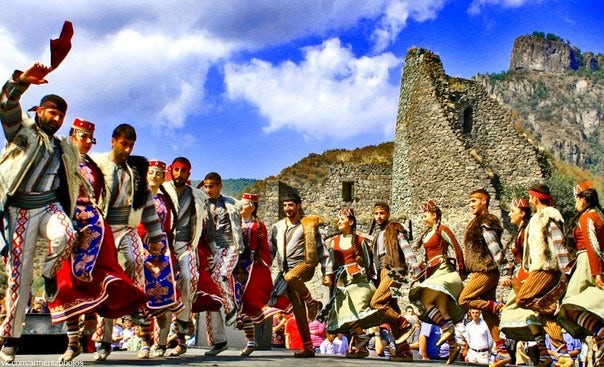
Music is central to Armenian culture, with a history that blends ancient folk traditions and sacred liturgical compositions. Traditional instruments like the duduk (a double-reed woodwind made of apricot wood) create haunting, soulful melodies that echo the country’s landscape and history. Armenian folk dances, such as the kochari, are performed at weddings and festivals, often involving synchronized group steps and symbolic gestures. Modern Armenia also embraces contemporary music, but traditional rhythms and instruments remain deeply cherished.
- National Identity and the Armenian Genocide
A vital part of understanding Armenian culture is recognizing the enduring impact of the Armenian Genocide of 1915, in which an estimated 1.5 million Armenians perished under the Ottoman Empire. This tragic event has shaped Armenian identity and diaspora relations worldwide. Memorials like the Tsitsernakaberd Genocide Memorial in Yerevan serve as solemn places of remembrance and resilience. For Armenians, preserving their culture and language is also a way of honoring those lost and ensuring their heritage lives on.
- Artistic Legacy and Craftsmanship
Armenia’s artistic heritage includes sculpture, illuminated manuscripts, carpet weaving, and intricate stone carving. Khachkars, or carved cross-stones, are unique to Armenia and serve as spiritual symbols, blending Christian imagery with traditional Armenian motifs. Art museums in Yerevan, such as the Matenadaran (repository of ancient manuscripts), display a vast array of religious and secular works that capture the soul of Armenian creativity. Folk arts remain alive today, with artisans continuing centuries-old practices in jewelry, ceramics, and textiles.
- Celebrations and National Holidays
Armenian culture is filled with traditional celebrations that reflect both ancient and Christian heritage. Major holidays include Vardavar (a water festival with pagan roots), Easter, Christmas (celebrated on January 6), and Independence Day (September 21). During these times, streets fill with music, dancing, and public gatherings. Weddings and birthdays are also elaborate, joyous occasions, typically marked by multiple days of festivity, large feasts, and symbolic rituals passed down through generations.
- Connection to Nature and the Land
Armenians maintain a deep spiritual connection to their mountainous landscape, valleys, and rivers. The iconic Mount Ararat, though geographically in modern-day Turkey, remains a national symbol and features prominently in Armenian literature and identity. The countryside is dotted with ancient monasteries built in harmony with the surrounding environment. Activities like hiking, picnicking, and visiting hot springs are not just recreational but often tied to traditional customs. Many Armenians also practice sustainable farming and viticulture, keeping ancestral methods alive.
Things to Do in Armenia
- Explore Yerevan – Armenia’s Vibrant Capital
Walk through Republic Square, admire Soviet-era architecture, and visit Cafesjian Center for the Arts at the Cascade Complex. Don’t miss the Vernissage flea market for souvenirs and local crafts, and enjoy the lively cafe culture.
- Visit Geghard Monastery and Garni Temple
These two iconic sites are close together and make a perfect day trip from Yerevan.
- Geghard is a UNESCO-listed rock-carved monastery surrounded by cliffs.
- Garni is a rare Greco-Roman style pagan temple, unique in the Caucasus region.
- Take in the View of Mount Ararat from Khor Virap
This monastery sits near the Turkish border and offers the best panoramic view of Mount Ararat, Armenia’s national symbol. It’s also where Saint Gregory the Illuminator was imprisoned before converting Armenia to Christianity.
- Hike in Dilijan National Park
Known as the “Armenian Switzerland,” Dilijan offers lush forests, mountain trails, and hidden monasteries like Haghartsin and Goshavank. It’s a top destination for nature lovers and hikers.
- Tour Lake Sevan and Sevanavank Monastery
Lake Sevan is one of the largest high-altitude lakes in the world. Climb the hill to Sevanavank Monastery for breathtaking views. In summer, the lake is a popular spot for swimming, boating, and eating fresh fish.
Where to Stay in Armenia
🇦🇲 1. Yerevan – The Capital City
- Luxury:
- The Alexander, a Luxury Collection Hotel – 5-star, elegant, centrally located
- Grand Hotel Yerevan – Historic building with spa and rooftop pool
- Mid-range:
- Ani Plaza Hotel – Reliable, with great city views
- Hotel National – Stylish with great service near Republic Square
- Budget:
- Kantar Hostel – Clean, modern, good breakfast
- Envoy Hostel – Social vibe, offers tours
- Dilijan – For Nature Lovers
Known as the “Armenian Switzerland,” Dilijan is perfect for hiking and peaceful retreats.
- Tufenkian Old Dilijan Complex – Historic charm, central location
- Dilijan Resort Hotel – Wellness-focused, forest views
- Daravand Guesthouse – Friendly hosts, homemade food, mountain atmosphere
- Lake Sevan – Lakeside Relaxation
Perfect for summer visits, swimming, and fresh fish.
- Best Western Bohemian Resort – Lakeside with private beach
- Lavash Hotel – Budget-friendly with lake views and local food
- Sevan Writers’ House – Cultural landmark turned guesthouse
- Goris – Gateway to Tatev Monastery
A picturesque town near the famous Tatev Monastery and Wings of Tatev cableway.
- Mirhav Hotel – Cozy with traditional decor
- Mina Hotel – Affordable and central
- Zanger Hotel – Clean, mountain views, friendly staff
- Areni – Wine Country
Stay here if you’re interested in wine tasting and exploring the Areni-1 Cave.
- Lucytour Hotel – Rustic with vineyard surroundings
- Areni Wine Art B&B – Run by local winemakers, includes tastings
- Hotel Areni Tavern – Budget-friendly and authentic
Day Trips from Where to Stay in Armenia
🇦🇲 from Yerevan (Capital City)
Yerevan is the best base for multiple cultural and historical day trips.
- Garni & Geghard
- What to see: Pagan Garni Temple, UNESCO-listed Geghard Monastery, Azat Gorge
- Time from Yerevan: ~45 minutes
- Highlights: Ancient architecture, mountain views, lava rock cliffs
- Khor Virap Monastery
- What to see: Iconic monastery with panoramic views of Mount Ararat
- Time: ~1 hour
- Highlights: Religious history, great photo ops
- Etchmiadzin & Zvartnots Cathedral
- What to see: Armenia’s spiritual center, considered the Vatican of the Armenian Apostolic Church
- Time: ~30–40 minutes
- Highlights: Holy See, ancient cathedrals, museum
- Saghmosavank & Amberd Fortress
- What to see: Cliff-edge monasteries and a medieval fortress on Mount Aragats
- Time: ~1–1.5 hours
- Highlights: History, hiking, scenic views
From Dilijan (Nature Retreat)
- Haghartsin & Goshavank Monasteries
- What to see: Beautiful forest monasteries hidden in Dilijan National Park
- Time: ~30 minutes
- Highlights: Nature walks, medieval architecture