

What is the Cultural Triangle?
The term “Cultural Triangle” was coined to promote tourism in the region that contains the island’s most significant historical and cultural landmarks. The triangle spans from Anuradhapura in the northwest, to Polonnaruwa in the east, and down to Kandy in the south-central part of Sri Lanka.
Each corner of the triangle represents a different era and flavor of Sri Lankan history:
- Anuradhapura – The first ancient capital, renowned for its Buddhist shrines and sacred Bodhi tree.
- Polonnaruwa – A medieval city filled with grand stone structures and irrigation marvels.
- Kandy – A spiritual and cultural hub, home to the sacred Temple of the Tooth.
In between these points are other gems like Sigiriya, Dambulla, and Mihintale—each site offering its own unique glimpse into the island’s storied past.
Anuradhapura: The Sacred City of Kings
Founded in the 4th century BC, Anuradhapura served as Sri Lanka’s capital for over a millennium. Today, it’s a UNESCO World Heritage Site and one of the oldest continuously inhabited cities in the world.
Highlights:
- Sri Maha Bodhi Tree: This sacred fig tree was planted from a cutting of the original Bodhi tree under which the Buddha attained enlightenment. It’s over 2,000 years old and still lovingly tended to by local monks and pilgrims.
- Ruwanwelisaya Dagoba: One of the world’s tallest ancient stupas, this massive white dome is a serene monument of Buddhist devotion.
- Isurumuniya Temple: Famous for its rock carvings and peaceful lotus pond, this temple blends spirituality with ancient art.
- Jetavanaramaya: Once one of the tallest structures in the ancient world, this red-brick stupa is an architectural marvel.
Walking through Anuradhapura is like stepping back in time. The peaceful atmosphere and ancient ruins set amid forests and lakes make it ideal for reflective travel.
Mihintale: The Cradle of Buddhism in Sri Lanka
Just 13 kilometers east of Anuradhapura lies Mihintale, the birthplace of Buddhism on the island. It’s here that the Buddhist monk Mahinda met King Devanampiya Tissa in 247 BC, converting him and his kingdom to Buddhism.
Highlights:
- Mihintale Stupa and Aradhana Gala: After a short but scenic climb, you’ll be rewarded with panoramic views and a sense of spiritual peace.
- Ambasthala Dagoba: This smaller, elegant stupa marks the historic meeting spot between the monk and the king.
This sacred hill is a must-visit for anyone interested in Buddhist heritage and offers a mix of physical activity and spiritual tranquility.
Polonnaruwa: The Medieval Majesty
If Anuradhapura represents spiritual history, Polonnaruwa symbolizes the political and engineering brilliance of medieval Sri Lanka. It became the capital in the 11th century and flourished under King Parakramabahu I.
Highlights:
- Gal Vihara: A breathtaking collection of Buddha statues carved into granite rock, including a 14-meter-long reclining Buddha.
- Parakrama Samudra: This man-made reservoir, still in use today, is a testament to ancient Sri Lanka’s advanced irrigation systems.
- Royal Palace Complex: The ruins of a once-magnificent seven-story palace, with thick walls and elaborate stone carvings.
- Rankot Vihara: The largest stupa in Polonnaruwa, towering at 54 meters.
Polonnaruwa is also more compact than Anuradhapura, making it easier to explore by bike—a popular option for visitors who want to soak in the scenery at their own pace.
Sigiriya: The Lion Rock Fortress
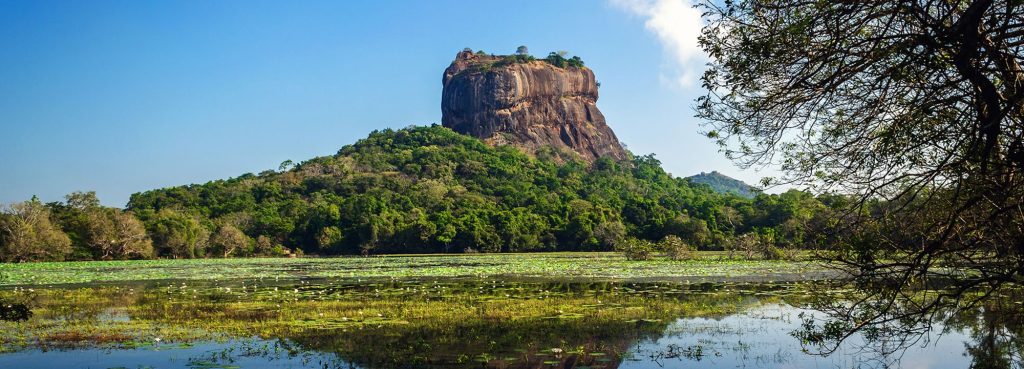
Between Polonnaruwa and Dambulla lies the jewel of the Cultural Triangle—Sigiriya, a UNESCO-listed fortress built atop a 200-meter high rock. Built by King Kashyapa in the 5th century, it combines royal ambition, artistic achievement, and military ingenuity.
Highlights:
- Lion’s Gate: The climb to the top begins through a gateway shaped like a giant lion’s paws.
- Frescoes and Mirror Wall: Midway up, admire ancient frescoes of celestial maidens and an ancient graffiti wall.
- Summit Palace: The flat summit holds the ruins of a royal palace, surrounded by panoramic views and ancient gardens.
Sigiriya isn’t just a fortress—it’s a masterpiece of landscape architecture. It’s no wonder it’s often called the “Eighth Wonder of the World.”
Dambulla: The Cave Temples of Serenity
Just 30 minutes from Sigiriya lies Dambulla, home to the best-preserved cave temple complex in Sri Lanka. Carved into a massive rock outcrop, these five caves are filled with over 150 statues and stunning Buddhist murals.
Highlights:
- Cave 1 to 5: Each cave tells a different story—from the life of the Buddha to local kings and gods. The colors are vivid and the atmosphere is meditative.
- Golden Temple: At the base, a giant golden Buddha statue watches over the town, offering an iconic photo opportunity.
Dambulla is more than just a stopover—it’s a serene sanctuary and an awe-inspiring work of religious art.
Kandy: The Spiritual Capital
The southern tip of the Cultural Triangle is crowned by Kandy, nestled among misty hills and tea plantations. It’s best known for the Temple of the Tooth Relic, which houses Sri Lanka’s most revered Buddhist relic—an actual tooth of the Buddha.
Highlights:
- Temple of the Tooth: A majestic lakeside temple that is the center of annual Esala Perahera, a vibrant festival featuring elephants, dancers, and fire performers.
- Royal Botanical Gardens: In nearby Peradeniya, stroll through vast gardens filled with exotic flora.
- Kandy Lake: A picturesque spot for an evening walk surrounded by colonial buildings and temples.
Kandy blends tradition with charm, offering a gentler, cooler climate and a unique mix of colonial history and cultural pride.
Practical Tips for Exploring the Cultural Triangle
- Best Time to Visit: The dry season from May to September is ideal for sightseeing. However, the central regions are accessible year-round.
- Getting Around: Hiring a car and driver is the most convenient, but adventurous travelers can opt for trains, buses, or bicycles (especially in Polonnaruwa).
- Entrance Fees: Sites like Sigiriya, Anuradhapura, and Polonnaruwa charge entrance fees, often higher for foreign tourists. Get a Cultural Triangle Pass to save on multiple entries.
- Dress Code: When visiting temples, wear modest clothing—cover your shoulders and knees. Remove shoes and hats before entering.
- Where to Stay: The area offers everything from budget guesthouses to luxury eco-resorts. Sigiriya and Dambulla are central bases for day trips.
Why Visit the Cultural Triangle?
Sri Lanka’s Cultural Triangle isn’t just about old stones and ancient ruins—it’s about connecting with a civilization that valued wisdom, artistry, spirituality, and sustainable living. You don’t just observe history here—you walk through it.
Whether you’re a history buff, a spiritual seeker, or a curious traveler, the Cultural Triangle offers a captivating experience that will stay with you long after you leave. From towering stupas and rock fortresses to meditative caves and royal relics, each site tells a story of resilience, reverence, and human ingenuity.
Last Update: April 13, 2025