
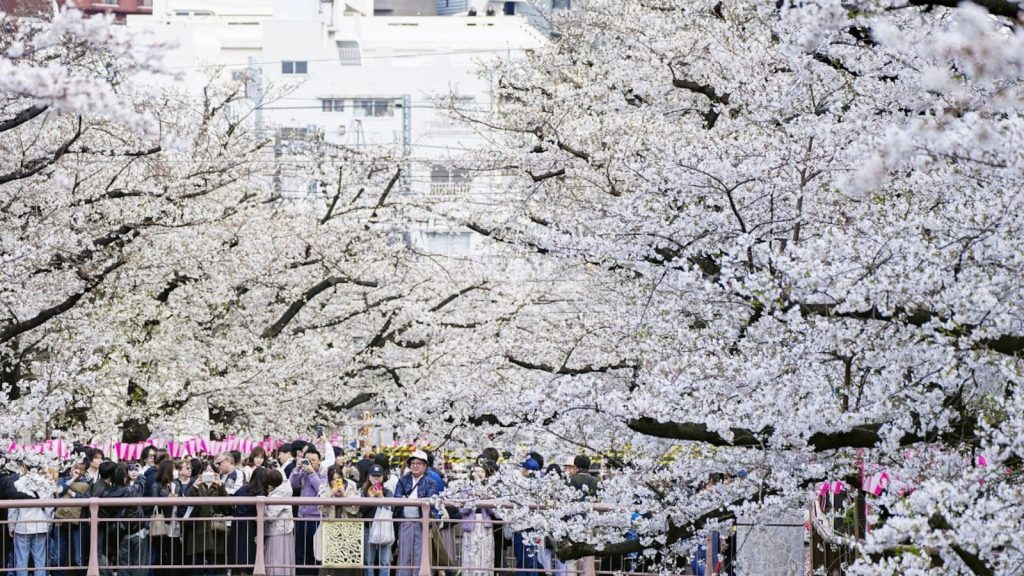

Why Cherry Blossoms Matter in Japan
The cherry blossom holds deep cultural significance in Japan. More than just a beautiful flower, sakura represents the ephemeral nature of life, a concept deeply rooted in Japanese philosophy. The blossoms bloom gloriously, but only for a brief time—typically around one to two weeks—before they fall. This transient beauty is honored through the centuries-old tradition of hanami, which literally means “flower viewing.”
Hanami brings people together under blooming cherry trees in parks, gardens, and riversides. Families, friends, and coworkers gather to enjoy food, drinks, and laughter while marveling at the natural spectacle. It’s a celebration of spring, community, and appreciation for life’s fleeting moments.
When is Cherry Blossom Season?
Cherry blossom season typically begins in late March and lasts through early April, but the exact timing varies depending on the region and yearly weather conditions. Japan’s geography stretches over 3,000 kilometers, so the blooms start in the southern areas and gradually move northward.
Here’s a general guideline:
- Okinawa: Mid-January to early February
- Kyushu & Shikoku: Late March to early April
- Honshu (Tokyo, Kyoto, Osaka): Late March to mid-April
- Tohoku Region: Early to mid-April
- Hokkaido: Late April to early May
At Travel Express, we recommend checking official blossom forecasts from sources like the Japan Meteorological Agency as your travel date approaches, as the window is short and can shift slightly each year.
Top Cherry Blossom Spots in Japan
While cherry blossoms can be found across the country, certain locations offer especially breathtaking views. Here are Travel Express’s top recommendations:
- Tokyo: Urban Beauty in Full Bloom
Despite being a bustling metropolis, Tokyo offers some stunning spots for hanami:
- Ueno Park: With over 1,000 cherry trees lining its central path, Ueno Park becomes a lively, festive hub during sakura season.
- Meguro River: Over 800 cherry trees line this scenic river. The view is magical, especially at night when the blossoms are illuminated.
- Shinjuku Gyoen: This peaceful, spacious garden offers a more relaxed hanami experience, with both early and late-blooming trees.
- Kyoto: Historic Charm Under the Blossoms
Kyoto’s ancient temples and traditional streets are made even more enchanting by blooming sakura:
- Maruyama Park: A central gathering place for blossom-viewers with a famous weeping cherry tree illuminated at night.
- Philosopher’s Path: A serene walk along a canal lined with cherry trees, perfect for quiet reflection.
- Kiyomizudera Temple: Offering panoramic views over a valley of cherry blossoms—stunning at sunset.
- Osaka: Blossoms and Street Food
Osaka combines festive hanami with some of Japan’s best street food:
- Osaka Castle Park: Thousands of cherry trees surround the majestic Osaka Castle, making for an iconic springtime photo.
- Kema Sakuranomiya Park: A riverside path flanked by over 5,000 cherry trees—ideal for long, leisurely walks.
- Hirosaki: The Castle of Blossoms
Located in the Tohoku region, Hirosaki Castle is home to one of the country’s most spectacular sakura festivals. The moat filled with fallen petals, the ancient castle backdrop, and food stalls create an unforgettable scene.
- Mount Yoshino: A Mountainside Miracle
Designated a UNESCO World Heritage Site, Mount Yoshino in Nara Prefecture has over 30,000 cherry trees. The blooms cascade down the mountain in waves, offering a layered display of pink as far as the eye can see.
How to Enjoy Hanami Like a Local
Part of what makes cherry blossom season so special is the tradition of hanami. Here’s how to experience it like a true local:
- Bring a Picnic
Locals typically spread out large picnic blankets under the trees and share homemade or store-bought delicacies like:
- Sakura mochi (sweet rice cake wrapped in a cherry leaf)
- Bento boxes with sushi, karaage (fried chicken), and tamagoyaki (rolled omelet)
- Sake or beer (many Japanese people enjoy a casual drink with their hanami)
- Reserve Your Spot Early
Popular parks fill up quickly—especially on weekends. If you’re visiting a busy area like Ueno Park or Maruyama Park, it’s common to arrive early in the day (or even the night before) to stake out a prime spot.
- Dress for the Season
Spring can be unpredictable. Daytime may be warm under the sun, but evenings can still be chilly. Dress in layers and bring a light jacket or scarf.
- Respect Nature and Clean Up
Japanese parks are known for being clean. Be sure to take all your trash with you, and follow posted rules regarding alcohol and music.
Cherry Blossom-Themed Experiences
The sakura season doesn’t stop at the trees—Japan goes all-in with themed events, foods, and souvenirs.
- Sakura Flavored Everything
From Starbucks cherry blossom drinks to sakura-flavored KitKats, bakeries, and convenience stores, everything gets a pink twist in spring. Don’t miss:
- Sakura lattes and teas
- Cherry blossom ice cream
- Seasonal wagashi (traditional Japanese sweets)
- Nighttime Illuminations
Many parks and historic sites hold yozakura (night sakura) events. Trees are lit up beautifully, often accompanied by lanterns or live music. These nighttime viewings are romantic and atmospheric.
- Seasonal Festivals
Cherry blossom festivals, known as sakura matsuri, often include food stalls, live performances, tea ceremonies, and traditional dances. Some of the biggest festivals are in Hirosaki, Chidorigafuchi (Tokyo), and Takato Castle Park in Nagano.
Photography Tips for Capturing the Perfect Sakura Shot
Want to immortalize the moment? Here are a few Travel Express photography tips:
- Shoot during golden hour: Early morning or late afternoon light makes the petals glow.
- Get close-up shots: Zoom in on individual blossoms to appreciate their delicate details.
- Use a wide aperture: Create that soft, dreamy background (bokeh) effect.
- Try unique angles: Capture reflections in water, blossoms falling, or contrast with traditional architecture.
Tips for Traveling During Sakura Season
Cherry blossom season is one of the busiest times of the year in Japan, so a bit of planning goes a long way.
- Book Early
Hotels, trains, and popular attractions fill up fast. It’s wise to book flights and accommodations 3–6 months in advance.
- Use the JR Pass
If you’re planning to visit multiple cities, consider purchasing a Japan Rail Pass before you arrive. It offers unlimited train travel and can save you money during your trip.
- Learn a Few Key Phrases
While many Japanese people speak some English, knowing a few local phrases goes a long way:
- Sakura wa doko desu ka? (Where are the cherry blossoms?)
- Kirei desu ne (It’s beautiful, isn’t it?)
- Arigatou gozaimasu (Thank you very much)