
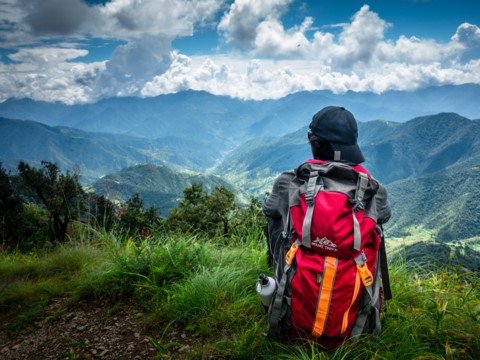

If you’ve ever dreamed of strolling along cobblestone streets, watching sunsets over ancient ruins, sipping espresso in a quaint café, and hopping from country to country—all on a shoestring budget—then backpacking across Europe might just be your ultimate adventure. At Travel Express, we believe travel shouldn’t break the bank, and with the right tips, tools, and attitude, Europe becomes an affordable playground for even the most frugal wanderer.
In this comprehensive guide, we’ll walk you through everything you need to know about budget backpacking across Europe: from planning and transportation to accommodations and hidden gems that won’t drain your wallet.
1. Planning Your Trip: Timing is Everything
Before you book anything, take time to research and plan. Europe can be drastically different depending on the time of year you visit.
- Best Time to Travel on a Budget:
Travel during the shoulder seasons—late spring (April to June) and early fall (September to October). You’ll enjoy decent weather, fewer crowds, and cheaper prices on flights and accommodations. - Off-Season Travel:
Traveling in the winter (excluding the holidays) can be even cheaper, especially in cities like Prague, Budapest, and Kraków, where the charm continues despite the chill.
2. Choosing Your Route
Europe is a mosaic of diverse cultures, languages, and landscapes. To keep costs low, choose a route that clusters together more affordable countries or regions.
Budget-Friendly Regions:
- Eastern Europe: Poland, Hungary, Slovakia, Romania, and Bulgaria are incredibly rich in culture and light on the wallet.
- The Balkans: Serbia, Bosnia and Herzegovina, Albania, and Montenegro offer stunning landscapes and low prices.
- Portugal and Southern Spain: Warm weather, great food, and coastal beauty with lower costs compared to northern Europe.
Popular Budget Routes:
- Classic Eastern Loop: Budapest → Kraków → Prague → Vienna → Ljubljana
- Mediterranean Trail: Lisbon → Seville → Granada → Valencia → Barcelona
- Balkan Explorer: Sarajevo → Mostar → Kotor → Tirana → Skopje
3. Transportation Tips: Getting Around for Less
Europe is incredibly well-connected, and there are multiple affordable ways to get from point A to point B.
Trains and Rail Passes:
- Eurail Pass (for non-Europeans): Offers flexible travel across multiple countries. Worth it if you plan to visit many cities in a short period.
- Local Train Services: Often cheaper than international routes. Book in advance for the best prices.
Buses:
- FlixBus and Eurolines: These long-distance bus services are ultra-cheap, comfortable, and extensive.
- BlaBlaCar: A carpooling service popular across Europe. It’s a fun way to meet locals and save money.
Budget Airlines:
- Ryanair, Wizz Air, EasyJet: Insanely low fares if you book early, though they often charge for extras like luggage and seat selection. Always read the fine print!
4. Where to Stay: Affordable Accommodation
Hostels:
Backpacking and hostels go hand-in-hand. They’re social, budget-friendly, and located in prime areas.
- Look for Hostelworld and Booking.com to compare prices and reviews.
- Some hostels offer free breakfast, walking tours, and laundry facilities.
Budget Hotels & Guesthouses:
In Eastern and Southern Europe, private rooms in guesthouses can cost the same as hostel dorms in Western cities.
Alternative Options:
- Couchsurfing: Stay with locals for free and experience authentic cultural exchange.
- Workaway / WWOOF: Volunteer in exchange for accommodation and meals.
- Airbnb Rooms: Shared accommodations can be budget-friendly if split with fellow travelers.
5. Eating Cheap Without Compromising Taste
You don’t need Michelin stars to eat well in Europe.
Supermarkets & Street Food:
- Grab meals from local supermarkets—especially ready-to-eat items, pastries, and produce.
- Street food in cities like Berlin (currywurst), Istanbul (simit), and Kraków (zapiekanka) is both delicious and affordable.
Local Cafés and Bakeries:
- Eat where locals eat. Avoid tourist traps near landmarks.
- Look for “menu del día” in Spain or “plat du jour” in France for affordable set meals.
Cook Your Own Meals:
If your accommodation has a kitchen, cooking is a great way to save money—especially in expensive cities like Paris or Amsterdam.
6. Sightseeing and Attractions on a Budget
Free Walking Tours:
Offered in nearly every European city, these tours are tip-based and offer excellent overviews of city history and culture.
City Tourist Cards:
Many cities offer cards that grant free access to top attractions, museums, and public transport. These can save you a lot if you plan on heavy sightseeing.
Museums with Free Entry Days:
- Paris: Louvre is free on the first Saturday of each month.
- London: Many museums, like the British Museum and Natural History Museum, are always free.
- Berlin: Numerous historical sites offer discounted or free entry.
Nature and Parks:
Europe is rich in free natural beauty—mountain hikes in the Alps, lakes in Slovenia, beaches in Portugal, and scenic countryside in Ireland.
7. Travel Gear: Pack Smart, Pack Light
You’ll be carrying your life on your back—so pack wisely.
Essentials:
- Lightweight backpack (35-50L is ideal)
- Reusable water bottle
- Travel towel
- Quick-dry clothing
- Power bank and universal adapter
- Flip-flops for hostel showers
Travel Express Tip: Layer clothing instead of packing bulky items, and do laundry on the go.
8. Money-Saving Apps and Resources
- Rome2Rio – Compares all transport options between cities
- Skyscanner / Google Flights – Find the cheapest flights
- Omio – Train, bus, and flight comparisons
- Hostelworld – Hostel bookings
- Couchsurfing – Free stays and meetups
- Maps.me – Offline maps
- XE Currency – Live exchange rates
Also, get a no-foreign-transaction-fee card and consider a travel debit card like Revolut or Wise for multi-currency usage.
9. Staying Safe and Healthy
Europe is generally safe for travelers, but precautions are always wise.
- Travel Insurance: Don’t skip it. It covers medical emergencies, cancellations, and theft.
- Travel Light: Don’t flash valuables. Use a money belt or hidden pouch for passports and cards.
- Emergency Numbers: 112 is the universal emergency number across Europe.
10. Embrace the Backpacker Mindset
Budget travel is not just about saving money—it’s about adventure, flexibility, and making memories.
- Be spontaneous. Some of the best moments happen when plans change.
- Talk to locals and fellow travelers. You’ll gain insights and maybe a few new friends.
- Don’t stress about seeing everything. Slow down and savor each moment.