

Introduction
Prague is the capital city of the Czech Republic and one of Europe’s most beautiful and historically rich cities. Known as “The City of a Hundred Spires,” it boasts stunning medieval architecture, charming cobblestone streets, and a vibrant cultural scene. Prague’s history stretches back over a thousand years, with landmarks like Prague Castle, Charles Bridge, and the Old Town Square reflecting its importance as a political, cultural, and economic center in Central Europe. The city’s blend of Gothic, Renaissance, and Baroque styles makes it a living museum, attracting history lovers and travelers from around the world.
- Start at Prague Castle
Begin your journey at the iconic Prague Castle, the largest ancient castle complex in the world and a symbol of Czech history and power. Founded in the 9th century, the castle served as the seat of Czech kings, emperors, and presidents. Wander through the majestic courtyards, visit the stunning St. Vitus Cathedral with its impressive Gothic architecture and vibrant stained glass windows, and explore the Old Royal Palace and its historic Vladislav Hall. Don’t miss the Golden Lane, a street of tiny, colorful houses once home to castle guards and artisans. The panoramic views of the city from the castle grounds offer a perfect introduction to Prague. - Walk Down to Lesser Town (Malá Strana)
From Prague Castle, stroll down to Malá Strana, or Lesser Town, a charming neighborhood full of baroque palaces, historic churches, and narrow cobblestone alleys. Founded in the 13th century, this area was home to nobility and craftsmen. Visit St. Nicholas Church, a masterpiece of Baroque architecture with a beautifully decorated interior and grand dome. Explore the quaint streets and stop at the Wallenstein Palace Gardens for a quiet moment among statues and fountains that date back to the early 17th century. This district’s rich history is palpable in every corner. - Cross the Charles Bridge
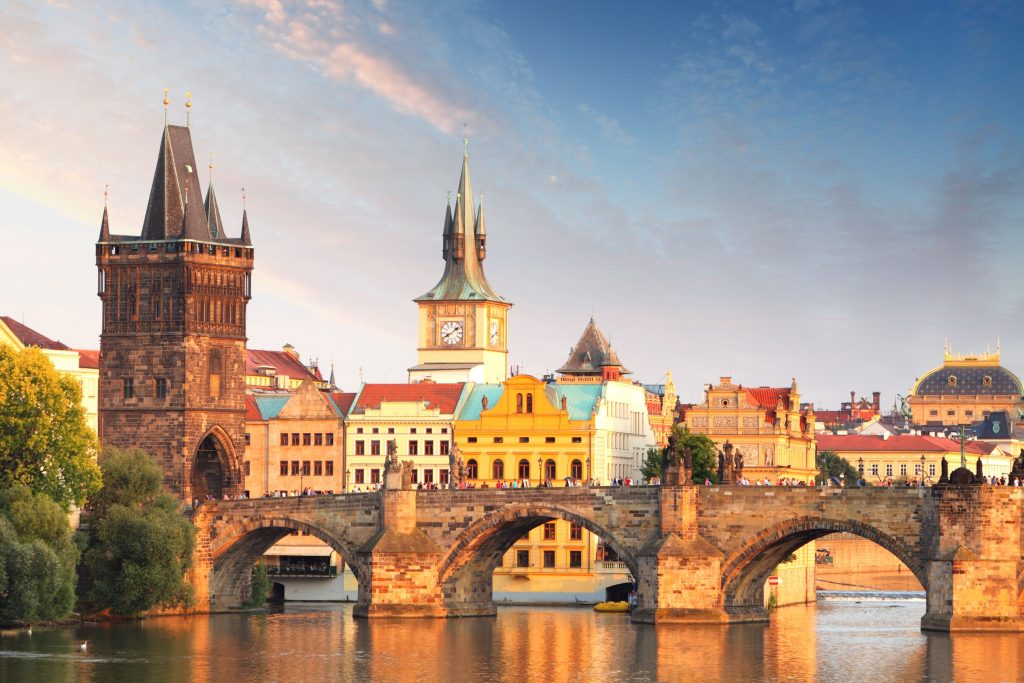
No historical tour of Prague is complete without crossing the Charles Bridge. Built in the 14th century under King Charles IV, this iconic stone bridge connects Malá Strana with the Old Town. Lined with 30 Baroque statues of saints, the bridge is both a work of art and a testament to medieval engineering. Take your time to admire the views of the Vltava River, watch street artists and musicians, and imagine the bridge’s role as a key trade route in Prague’s development.
Day 2: Old Town and Jewish Heritage
- Explore Old Town Square and the Astronomical Clock
Begin day two at the heart of Prague’s historic district: the Old Town Square. This vibrant square has been a gathering place since the 12th century and showcases architectural styles from Gothic to Baroque. The centerpiece is the Astronomical Clock on the Old Town Hall, dating back to 1410. Every hour, the clock puts on a mechanical show featuring the Twelve Apostles and symbolic figures, attracting crowds just as it has for centuries. Nearby, marvel at the Church of Our Lady before Týn, an iconic Gothic church with twin spires dominating the skyline. - Visit the Jewish Quarter (Josefov)
Just a short walk from the Old Town Square lies Josefov, the historic Jewish Quarter. This area preserves Prague’s Jewish heritage with six synagogues, a Jewish cemetery, and the Jewish Museum. Explore the Old-New Synagogue, Europe’s oldest active synagogue, built in the 13th century, and learn about the vibrant yet tragic history of Prague’s Jewish community. The Old Jewish Cemetery, with its tightly packed, centuries-old tombstones, is a poignant reminder of the community’s resilience through centuries of hardship. - Discover the Klementinum Complex
Close to the Old Town Square, the Klementinum is a historic complex of buildings that served as a Jesuit college and now houses the National Library. Founded in the 16th century, it boasts one of the most beautiful Baroque libraries in the world. Take a guided tour to admire the ornate library halls, ancient manuscripts, and the astronomical tower, where early scientists studied the stars. The complex’s rich academic and religious history reflects Prague’s role as a center of learning and culture in Central Europe.
Day 3: Museums and Historical Insights
- Visit the National Museum and Wenceslas Square
Start your final day at Wenceslas Square, a bustling boulevard with deep historical significance as the site of many political demonstrations, including those leading to the Velvet Revolution. At one end stands the National Museum, founded in 1818, showcasing Czech natural history, art, and historical artifacts. Its grand neo-Renaissance building is a landmark in itself. Inside, explore exhibitions that trace the nation’s development, including displays on Bohemian kings, medieval weaponry, and cultural milestones. - Explore Vyšehrad Fortress
Head to Vyšehrad, a historic fort perched on a hill overlooking the Vltava River. According to legend, Vyšehrad was the original seat of Czech princes before Prague Castle’s rise. The fortress dates back to the 10th century and offers a peaceful park, medieval ruins, and panoramic views. Visit the Basilica of St. Peter and St. Paul, with its impressive neo-Gothic design, and the Vyšehrad Cemetery, where many famous Czech artists, composers, and writers are buried. This site combines history, legend, and natural beauty. - Tour the Museum of Communism
To understand Prague’s more recent past, visit the Museum of Communism. It offers a gripping look at life under the Communist regime from 1948 to 1989, including propaganda, censorship, and resistance. Exhibits include artifacts, photographs, and personal stories that paint a vivid picture of how communism shaped Prague and its people. This museum provides essential context for the city’s modern identity and its journey to democracy. - End at the Powder Tower and Municipal House
Finish your historical exploration with a visit to the Powder Tower, a Gothic gate from the 15th century that once guarded the Old Town. Climb to the top for fantastic views of the city’s historic core. Adjacent is the Municipal House, an Art Nouveau masterpiece built at the turn of the 20th century on the site of the old royal palace. It played a crucial role in Czech history, hosting the declaration of Czechoslovak independence in 1918. The beautifully decorated interiors showcase Prague’s artistic heritage.
Where to stay in Prague
- Old Town (Stare Mesto)
- Why: Right in the heart of Prague’s historic district, close to the Old Town Square, Astronomical Clock, and Charles Bridge. Stunning medieval architecture and cobblestone streets’ll surround you.
- Vibe: Bustling, tourist-friendly, full of cafés, restaurants, and shops.
- Good for: First-time visitors and those who want to immerse themselves in the city’s history day and night.
- Lesser Town (Mala Strana)
- Why: Located just below Prague Castle, this area is quieter and more residential but still full of history, with baroque buildings, narrow alleys, and beautiful gardens.
- Vibe: Romantic, charming, peaceful.
- Good for: History buffs who want to be close to Prague Castle and prefer a more relaxed atmosphere.
- Castle District (Hradcany)
- Why: The neighborhood around Prague Castle, offering easy access to the castle complex and great views of the city.
- Vibe: Historic and upscale with beautiful old streets and gardens.
- Good for: Visitors who want to stay near the castle and enjoy a quieter, elegant neighborhood.
Things to Do in Prague
- Explore Prague Castle
Visit the sprawling castle complex with St. Vitus Cathedral, the Old Royal Palace, and Golden Lane. It’s a history-packed must-see. - Walk Across Charles Bridge
Stroll this iconic 14th-century bridge adorned with statues and enjoy the views over the Vltava River. - Visit Old Town Square
See the Astronomical Clock’s hourly show, the Gothic Church of Our Lady before Týn, and soak in the medieval atmosphere.
Day trip from Prague
- Kutna Hora
Just about an hour from Prague, Kutna Hora is a UNESCO World Heritage town famous for its medieval silver mines and stunning architecture. Highlights include the Gothic St. Barbara’s Church, the Sedlec Ossuary (Bone Church) decorated with human bones, and the historic town center. It’s a fascinating glimpse into medieval Bohemia’s wealth and artistry.
- Karlstejn Castle
A 40-minute train ride from Prague, Karlstejn Castle is a magnificent Gothic fortress built in the 14th century by Emperor Charles IV to safeguard royal treasures. You can tour the castle’s interiors, including the chapel with stunning medieval frescoes, and enjoy the scenic surrounding countryside.
- Terezin Memorial
For a sobering but important historical visit, Terezin is a former WWII Nazi concentration camp and ghetto located about an hour from Prague. The site includes a museum, the fortress, and memorials that educate about the Holocaust and resistance.