

Introduction
Vietnam is a Southeast Asian country known for its rich culture, stunning natural landscapes, and fascinating history. It stretches along the eastern coast of the Indochinese Peninsula, bordered by China, Laos, and Cambodia. The country offers a diverse mix of experiences — from the bustling cities of Hanoi and Ho Chi Minh City, to natural wonders like Ha Long Bay, Phong Nha Caves, and the Mekong Delta. Vietnam is also famous for its flavorful cuisine, including pho, banh mi, and fresh spring rolls. With a blend of ancient temples, colonial architecture, war history, and vibrant street life, Vietnam attracts travelers seeking adventure, culture, and beauty.
- Start in Hanoi – Dive into Northern Vietnam’s Culture
Begin your Vietnam journey in the capital, Hanoi, a city where old-world charm meets modern energy. Spend your first day wandering through the Old Quarter, where narrow streets are filled with motorbikes, street vendors, and French colonial architecture. Visit cultural landmarks like the Ho Chi Minh Mausoleum, the Temple of Literature, and Hoan Kiem Lake. Try street food like pho, egg coffee, and bun cha. Hanoi is the perfect introduction to Vietnam’s deep-rooted traditions and lively street culture. - Take a Day Trip to Ha Long Bay – A Natural Wonder
On Day 2, take a full-day cruise to Ha Long Bay, a UNESCO World Heritage Site about 2.5 hours from Hanoi. Known for its emerald waters and thousands of limestone islands, Ha Long Bay is one of Vietnam’s most iconic destinations. Opt for a day cruise or a short overnight stay on a boat if time allows. You can kayak through caves, visit floating villages, or just relax on the deck and soak in the scenery. It’s a must-see for nature lovers. - Fly South to Da Nang or Hue – Central Vietnam’s Cultural Core
On Day 3, take a short domestic flight to Da Nang or Hue in Central Vietnam. Da Nang is a modern city known for its beaches and Marble Mountains, while Hue is a historic imperial city. If you choose Hue, visit the ancient Citadel, royal tombs, and pagodas along the Perfume River. This region gives you a deeper look into Vietnam’s royal past and is less hectic than the bigger cities, offering a peaceful yet enriching experience. - Explore Hoi An – The Lantern-Lit Ancient Town
Spend Day 4 in Hoi An, a charming UNESCO-listed town just an hour’s drive from Da Nang. Known for its lantern-lit streets, tailor shops, and preserved architecture, Hoi An is perfect for walking or biking. Visit the Japanese Covered Bridge, traditional wooden houses, and the vibrant central market. Take a cooking class or ride a boat along the Thu Bon River. Don’t miss the evening when the town glows with lanterns—an unforgettable sight. - Enjoy Vietnamese Cuisine at Every Stop
Food is a huge part of the Vietnamese experience. Each region has its own specialties: pho and bun cha in Hanoi, banh xeo (Vietnamese pancake) in central Vietnam, and com tam (broken rice) in the south. Street food is everywhere and often better than restaurant meals. Be adventurous—try local dishes, fresh seafood, tropical fruits, and snacks from night markets. If you’re a foodie, this is one of the best ways to explore Vietnam. - Travel by Train or Plane to Maximize Time
With just 5 days, smart travel planning is key. Vietnam is long and narrow, and cities are often far apart. Flying between major destinations like Hanoi, Da Nang, and Ho Chi Minh City saves time. Alternatively, try the Reunification Express train if you want a scenic route from Central to Southern Vietnam, though it takes longer. For short distances, use Grab (Vietnam’s Uber) or local taxis. Booking tickets in advance helps keep your itinerary smooth. - Spend a Day in Ho Chi Minh City – Vietnam’s Dynamic South
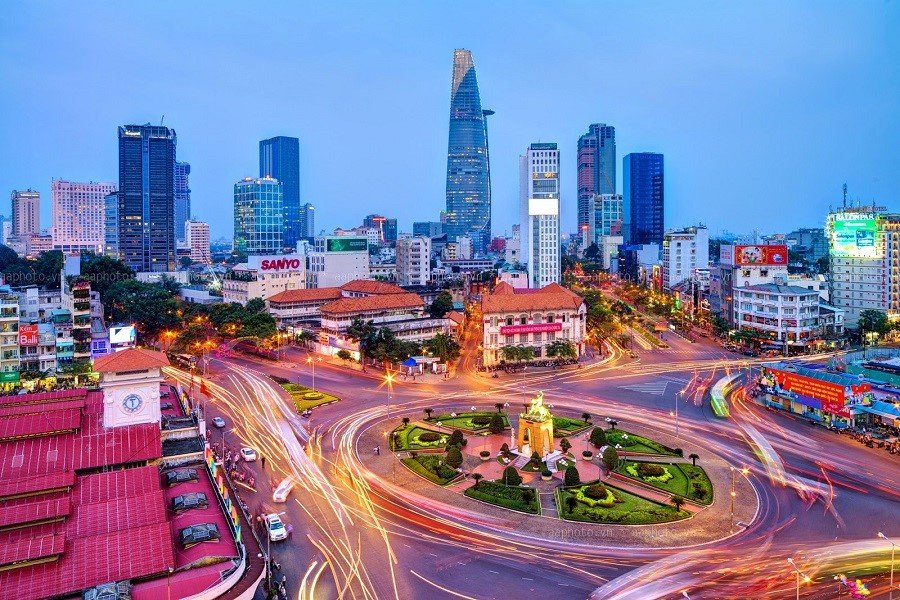
On Day 5, wrap up your trip in Ho Chi Minh City (Saigon). This southern metropolis is Vietnam’s economic and cultural hub. Visit historical sites like the War Remnants Museum, Cu Chi Tunnels, Notre-Dame Cathedral, and the Reunification Palace. Wander through Ben Thanh Market for souvenirs and local eats. The city’s energy is fast-paced, and it offers a stark contrast to the laid-back north and the cultural center of the country. - Balance Sightseeing with Local Experiences
Don’t just check off landmarks—immerse yourself in daily life. Try a motorbike tour, drink coffee in a sidewalk café, take a Vietnamese cooking class, or ride a cyclo (three-wheeled taxi). Participate in a local festival if your timing is right, or simply chat with locals, many of whom are welcoming and curious about foreign travelers. These little moments often become the most meaningful parts of your trip. - Be Prepared for Weather and Culture Differences
Vietnam’s climate varies by region. In the north, it can be cool and misty, especially around Ha Long Bay. The south is hot and humid year-round, while central Vietnam can get rainy. Dress in lightweight, breathable clothes, and pack a rain jacket. Be respectful of cultural norms: wear modest clothing when visiting temples, take off shoes before entering homes or some businesses, and always greet with a smile. - Make the Most of Every Moment – Travel Light, Travel Smart
With only 5 days, every hour counts. Travel light to move quickly and avoid baggage hassles. Use offline maps, keep cash handy (many places don’t take cards), and stay in centrally located hotels or homestays to save time on commuting. Planning ahead is essential, but leave some space for spontaneity—whether that’s taking a random detour, joining a street festival, or discovering a quiet beach on your own.
Where to stay in Vietnam
- Hanoi (Northern Vietnam)
Best for: Culture, history, street food
Top areas to stay:
- Old Quarter – Lively, central, and full of character. Great for first-timers.
- French Quarter – Quieter, colonial-style buildings, more upscale hotels.
Recommended stays:
- Budget: Little Charm Hanoi Hostel
- Mid-range: La Siesta Hotel & Spa
- Luxury: Sofitel Legend Metropole Hanoi
- Ha Long Bay
Best for: Natural scenery, boat cruises
Accommodation options:
- Overnight cruise ships – Popular choice to explore the bay.
- Cat Ba Island hotels – Good alternative to cruises; offers hikes and beaches.
Recommended cruises:
- Mid-range: Indochina Sails, Signature Cruise
- Luxury: Orchid Cruise, Paradise Elegance
- Hue (Central Vietnam)
Best for: Imperial history, slower pace
Top areas to stay:
- Near the Perfume River or Citadel area for easy access to attractions.
Recommended stays:
- Budget: Sunny Fine Guesthouse
- Mid-range: Pilgrimage Village
- Luxury: Azerai La Residence Hue
Things to Do in Vietnam
- Explore Hanoi’s Old Quarter
Wander the bustling streets filled with scooters, street food stalls, and colonial-era buildings. Visit landmarks like Hoan Kiem Lake, Ngoc Son Temple, and enjoy a traditional water puppet show.
- Cruise Through Ha Long Bay
Take a boat cruise through this UNESCO World Heritage Site featuring limestone karsts, caves, and floating fishing villages. You can kayak, swim, or spend a night on a traditional junk boat.
- Eat Your Way Through Vietnam
Try must-eat dishes like:
- Pho (noodle soup)
- Banh mi (Vietnamese sandwich)
- Bun cha (grilled pork with noodles)
- Goi cuon (fresh spring rolls)
Street food tours in Hanoi, Hue, or Ho Chi Minh City are unforgettable.
Day Trips from Hanoi (Northern Vietnam)
- Ha Long Bay (Day Cruise)
- Duration: ~12 hours round-trip
- Activities: Boat cruise, kayaking, cave exploration, seafood lunch
- Notes: Best done as a full-day guided tour from Hanoi.
- Ninh Binh / Tam Coc
- Duration: ~2 hours each way
- Activities: Boat ride through rice fields, Bich Dong Pagoda, Mua Cave (great viewpoint), ancient capital Hoa Lu
- Nickname: “Ha Long Bay on land”
- Ba Vi National Park
- Duration: 1.5 hours from Hanoi
- Activities: Hiking, mountain temples, hot springs, tea farms
- Ideal for: Nature lovers and a break from the city.