

Introduction
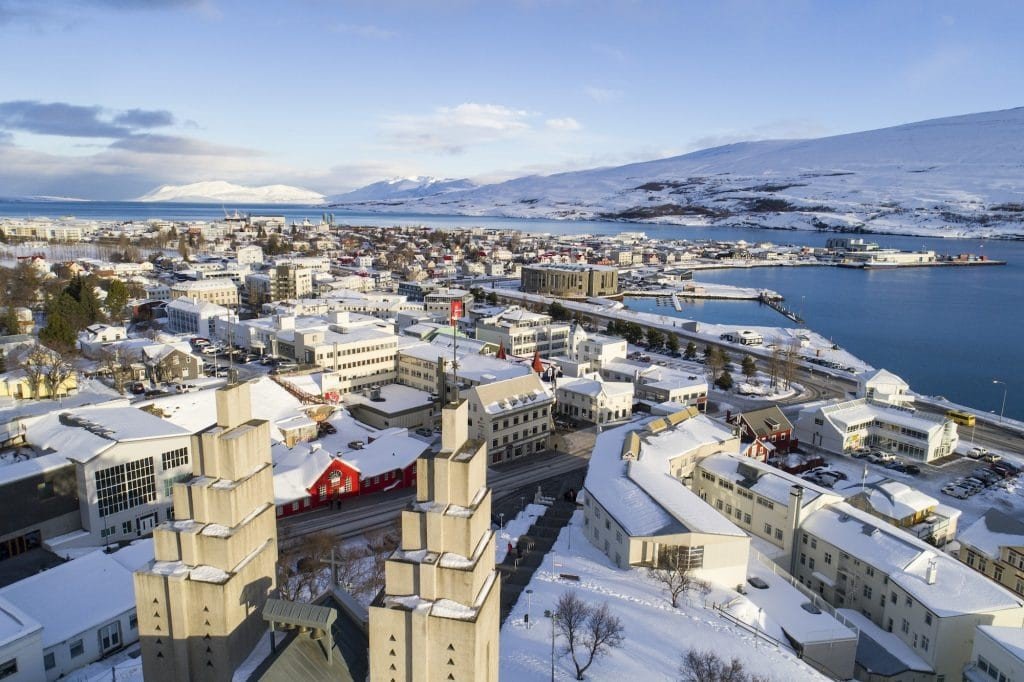
Iceland is a Nordic island nation known for its dramatic landscapes, including volcanoes, geysers, hot springs, glaciers, and waterfalls. It’s famous for its rugged natural beauty and outdoor adventures like hiking, glacier exploring, and spotting the Northern Lights. Reykjavik, the capital, blends modern culture with Viking history, making Iceland a unique destination for nature lovers and explorers.
- Decide Your Travel Priorities
Before you start planning your trip, think about what excites you most about Iceland, Norway, and Finland. Are you more interested in natural wonders like glaciers, fjords, and forests? Or do you want to experience city life, culture, and local cuisine? Since you have only seven days, it’s important to set clear priorities to make the most of your time. For example, if you want to see the Northern Lights, visiting Finland or northern Norway during winter is ideal. If you want to explore volcanic landscapes and geysers, Iceland should be your focus. Setting these priorities will help shape your route and daily plans. - Plan Your Travel Route Wisely
Iceland, Norway, and Finland cover a large geographic area, so planning your route efficiently is crucial to avoid spending too much time in transit. A popular approach is to start in Iceland, which is more isolated, then fly to Norway and finally to Finland. This sequence minimizes backtracking and allows smoother flights between countries. Alternatively, some travelers prefer entering Scandinavia via Oslo or Helsinki first, depending on flight availability. Use direct flights or short connections, and consider regional budget airlines like Icelandair, Norwegian Air, or Finnair to save time and money. - Allocate Time Based on Interests and Distances
With only seven days, balance is key. A sample distribution could be: 2 days in Iceland, 3 days in Norway, and 2 days in Finland. Iceland’s natural wonders like the Golden Circle and Reykjavik can be seen quickly but still require a full day each. Norway’s fjords, particularly around Bergen or Oslo, deserve at least three days, including time for a fjord cruise or scenic train ride. Finland’s capital Helsinki and nearby Lapland (if chasing Northern Lights) can be explored in two days. Adjust this based on what excites you most. - Book Accommodation Strategically
Choose your lodging based on proximity to main attractions and transport hubs. In Iceland, staying in Reykjavik allows easy access to tours and rental cars for day trips. In Norway, Bergen or Oslo are great bases, depending on your fjord itinerary. In Finland, Helsinki is ideal for city exploration, while Rovaniemi or other Lapland towns offer authentic Northern Lights experiences. Consider guesthouses, boutique hotels, or Airbnb to experience local charm. Booking in advance during peak seasons ensures availability and better prices. - Opt for Efficient Transportation Methods
In Iceland, renting a car is highly recommended for flexibility and exploring remote spots like waterfalls and volcanic areas. In Norway, consider a combination of trains and ferries; the Bergen Line train and fjord cruises are iconic ways to see the country’s landscapes. In Finland, public transport in Helsinki is excellent, but for Lapland, flights or rental cars are preferable due to long distances. Efficient transportation lets you maximize sightseeing time without burnout. - Prioritize Must-See Attractions
Focus on iconic highlights that define each country. In Iceland, don’t miss the Golden Circle—Thingvellir National Park, Geysir geothermal area, and Gullfoss waterfall—and if time permits, a visit to the Blue Lagoon. In Norway, the fjords, especially Geirangerfjord or Sognefjord, are unforgettable. The Flåm Railway offers spectacular views. In Finland, Helsinki’s Market Square, Suomenlinna fortress, and a visit to Lapland for the Northern Lights or Santa Claus Village add unique cultural and natural experiences. - Plan for Local Experiences and Activities
Beyond sightseeing, include immersive experiences to enrich your trip. Iceland offers glacier hiking, whale watching, and geothermal spa visits. Norway is perfect for fjord kayaking, hiking, or a scenic train journey. Finland’s Lapland offers husky sled rides, reindeer safaris, and sauna traditions. Trying local cuisine like Icelandic lamb, Norwegian seafood, or Finnish rye bread adds another layer of cultural connection. - Prepare for Weather and Seasonal Variations
The Nordic countries have distinct seasons, each offering different experiences. Summer (June-August) provides long daylight hours and milder weather, ideal for hiking and sightseeing. Winter (December-February) is great for Northern Lights, snow activities, and cozy atmospheres but requires warm clothing and careful planning for limited daylight. Shoulder seasons (spring and autumn) offer fewer crowds and beautiful autumn colors or spring blooms. Pack accordingly and check local weather forecasts regularly. - Budget Smartly and Book Early
Traveling in Iceland, Norway, and Finland can be expensive, so set a realistic budget. Flights, accommodation, and food cost more than in many other destinations. Booking flights and hotels early can secure better deals. Consider travel passes like Norway’s rail passes or public transport cards in Helsinki to save money. Dining at local markets or casual eateries helps manage costs while tasting authentic food. Also, plan for entrance fees and guided tours in advance. - Stay Flexible and Enjoy the Journey
Finally, while having a plan is essential, allow some flexibility for spontaneous discoveries or changes due to weather. Nordic countries are full of surprises—whether it’s an unexpected wildlife sighting, a local festival, or an impromptu hike. Embrace the pace and culture, and enjoy the contrasts between Iceland’s raw landscapes, Norway’s majestic fjords, and Finland’s peaceful forests. With careful planning and a spirit of adventure, your 7-day Nordic trip will be a memorable journey through some of the world’s most beautiful and diverse landscapes.
Where to stay in Iceland
Reykjavik (Capital City)
- Why stay here: Best base for exploring Iceland’s cultural scene, restaurants, nightlife, and easy access to popular day trips like the Golden Circle.
- Options:
- Boutique hotels (e.g., Canopy by Hilton Reykjavik)
- Guesthouses and B&Bs for a cozy, local feel
- Apartments or Airbnbs if you want more independence
Golden Circle Area
- Why stay here: Perfect for early starts to explore Thingvellir National Park, Geysir, and Gullfoss without long drives from Reykjavik.
- Options: Guesthouses or countryside hotels that offer peaceful surroundings and sometimes hot tubs.
South Coast (Vik or nearby)
- Why stay here: Ideal for exploring waterfalls (Seljalandsfoss, Skogafoss), black sand beaches, and glaciers. Staying overnight here saves driving time.
- Options: Small hotels, guesthouses, or farms offering local hospitality.
Things to do in Iceland
- Explore the Golden Circle
Visit Thingvellir National Park (a UNESCO site where tectonic plates meet), see the erupting geysers at Geysir geothermal area, and admire the stunning Gullfoss waterfall.
- Relax in the Blue Lagoon
Soak in the warm, mineral-rich geothermal waters surrounded by lava fields — perfect for unwinding after travel or outdoor adventures.
- Discover Reykjavik
Walk around Iceland’s quirky capital, visit Hallgrímskirkja church, enjoy local cafes and restaurants, and explore museums like the National Museum of Iceland.
Day trip from Iceland
Golden Circle Day Trip
Stops:
- Thingvellir National Park
Walk between the North American and Eurasian tectonic plates, explore the rift valley, and learn about Iceland’s history (site of the ancient parliament). - Geysir Geothermal Area
Watch the Strokkur geyser erupt every few minutes, sending boiling water high into the air, and explore bubbling hot springs. - Gullfoss Waterfall
See the powerful “Golden Falls” cascading into a deep canyon — a breathtaking natural spectacle.