
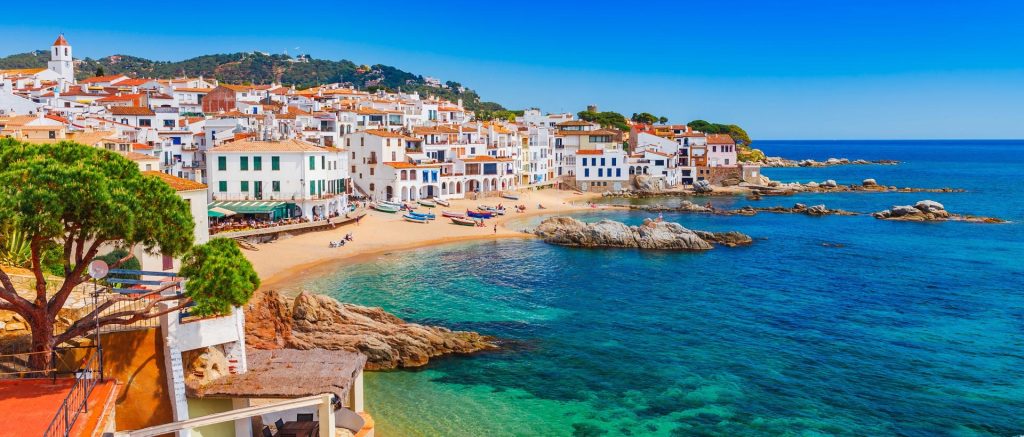

Introduction
Spain is a diverse and vibrant country located in southwestern Europe on the Iberian Peninsula, which it shares with Portugal. Known for its rich history, unique regional cultures, and stunning landscapes, Spain offers everything from bustling cities like Madrid and Barcelona to charming villages and Mediterranean beaches. It has a strong artistic and architectural heritage, with famous figures like Gaudí, Picasso, and Dalí shaping its cultural identity. Spain is also famous for its lively festivals (like La Tomatina and Running of the Bulls), delicious cuisine (such as tapas and paella), and warm, passionate atmosphere. Each region—from Andalusia in the south to Catalonia in the northeast—offers a distinct experience, making Spain a must-visit destination in Europe.
- Start Your Journey in Spain
Begin your trip in Spain, ideally in Madrid or Barcelona, two of the country’s most well-connected international hubs. Madrid offers grand boulevards, royal palaces, and world-class museums, while Barcelona is known for its modernist architecture and Mediterranean vibes. Starting in Spain gives you a central position in Southern Europe and easy access to Portugal and Morocco. Spend 2–4 days exploring major cities, soaking in the culture, and adjusting to the time zone.
- Explore Southern Spain – Andalusia
After visiting Madrid or Barcelona, head south to Andalusia, the most logical transition toward both Portugal and Morocco. Cities like Seville, Granada, and Cordoba are rich in Moorish architecture, flamenco culture, and tapas bars. This region was heavily influenced by Islamic rule, which creates an ideal historical bridge to Morocco. Travel within Spain is easy via high-speed trains (AVE) or budget flights. Spend 3–4 days in Andalusia to enjoy the best of Southern Spain.
- Cross into Portugal – Head to Lisbon
From Andalusia, make your way to Portugal. The most common route is from Seville to Lisbon—a journey of about 4–6 hours by bus or train. Lisbon, Portugal’s capital, offers stunning hilltop views, historic neighborhoods like Alfama, and a laid-back, coastal charm. Dedicate at least 2–3 days to Lisbon, including a day trip to Sintra, a UNESCO-listed fairy-tale town filled with castles and palaces.
- Explore More of Portugal
While Lisbon is the main highlight, Portugal has much more to offer. You can head north to Porto, known for its wine and riverfront beauty, or south to the Algarve, famous for its beaches and cliffs. If you’re short on time, consider staying along the Lisbon coast with visits to Cascais or Estoril. Spend another 2–3 days here. Portugal is compact and well-connected by trains and buses, making travel between cities efficient and scenic.
- Fly or Ferry to Morocco from Spain
After exploring Portugal, it’s time to head south again for the African leg of your journey. The most common route is to return to Southern Spain—typically Seville or Malaga—and then either take a short ferry across the Strait of Gibraltar to Tangier, or fly directly into Marrakech or Casablanca. Ferries from Tarifa or Algeciras to Tangier take about 1–2 hours and are budget-friendly, though flights offer more flexibility and speed.
- Begin Morocco in Tangier or Marrakech
If you take the ferry, you’ll arrive in Tangier, a coastal city with a mix of North African and European influences. Spend a day or two here to explore the medina, museums, and seaside cafes. If you fly to Marrakech, dive straight into the sensory overload of bustling souks, historical palaces, and vibrant street life. Each city has a different flavor, and either is a good starting point for Moroccan exploration.
- Visit Fes and the Sahara
From Tangier or Marrakech, travel to Fes, known for its ancient medina and artisan culture. Fes is often considered Morocco’s spiritual heart. From here, you can also book a multi-day tour to the Sahara Desert—one of the most unforgettable parts of any Morocco trip. Ride camels, sleep under the stars in desert camps, and watch the sun rise over the dunes. Dedicate at least 3–4 days for Fes and the desert experience.
- End in Casablanca or Marrakech
To conclude your Morocco trip, make your way to either Casablanca, Morocco’s modern commercial capital with its iconic Hassan II Mosque, or return to Marrakech if you started elsewhere. These cities offer international airports with good connections to Europe and North America. Spend your final days in Morocco shopping, enjoying Moroccan cuisine, and reflecting on the diverse cultures you’ve experienced throughout the trip.
- Consider Travel Logistics and Visas
One of the advantages of this route is the ease of travel. Spain and Portugal are part of the Schengen Area, allowing most travelers visa-free movement between them. Morocco allows visa-free entry for many nationalities as well (typically for up to 90 days). Make sure your passport is valid for at least six months. Use budget airlines, ferries, and trains to optimize time and cost. Booking in advance is key, especially in peak travel seasons (spring and fall).
- Build a Flexible Itinerary
This three-country itinerary works best over 2–3 weeks, depending on your pace and interests. A 10-day trip is possible but would require skipping several destinations or relying heavily on flights. Flexibility is important—weather, transportation delays, or local holidays can affect your plans. Prioritize your must-see locations, but leave room for spontaneous detours, local recommendations, or rest days. Combining Spain, Portugal, and Morocco offers a rich, cross-cultural journey like no other, blending Europe and North Africa into one unforgettable adventure.
Where to stay in Spain
Madrid – The Capital City
Best Areas: Centro (Sol, Gran Vía), Salamanca, Malasaña, Lavapiés
- Luxury:
- Gran Hotel Inglés – Elegant 5-star hotel near Puerta del Sol.
- Four Seasons Hotel Madrid – Opulent rooms and rooftop dining.
- Mid-Range:
- Only YOU Hotel Atocha – Stylish and central, near Retiro Park.
- Room Mate Oscar – Chic hotel with a rooftop bar in Chueca.
- Budget:
- The Hat Madrid – Trendy hostel near Plaza Mayor.
- OK Hostel Madrid – Clean, social atmosphere, great for solo travelers.
Barcelona – Art & Beaches
Best Areas: Gothic Quarter, Eixample, El Born, Gràcia
- Luxury:
- Hotel Casa Fuster – Historic luxury in Gràcia.
- W Barcelona – Iconic beachfront hotel with panoramic views.
- Mid-Range:
- Hotel Jazz – Modern hotel with rooftop pool near Plaça Catalunya.
- Hotel Rec Barcelona – Adults-only, urban and artistic.
- Budget:
- Yeah Hostel – Highly rated for comfort and community.
- Safestay Barcelona Gothic – Great location on a budget.
Seville – Culture & Flamenco
Best Areas: Santa Cruz, Triana, El Arenal, Alameda
- Luxury:
- Hotel Alfonso XIII – Iconic and historic 5-star hotel.
- EME Catedral Mercer Hotel – Boutique stay with a rooftop view of the cathedral.
- Mid-Range:
- Hotel Amadeus & La Musica – Musical-themed, traditional charm.
- Hotel Casa 1800 Sevilla – Elegant and centrally located.
- Budget:
- La Banda Rooftop Hostel – Great atmosphere and views.
- Hostel One Catedral – Friendly staff and walking tours.
Things to do in Spain
- Explore the Alhambra in Granada
A UNESCO World Heritage Site, the Alhambra is a magnificent Moorish palace and fortress with intricate Islamic architecture, beautiful gardens, and panoramic views of the Sierra Nevada mountains. Book tickets in advance—it’s one of Spain’s most popular attractions.
- Visit Gaudí’s Masterpieces in Barcelona
Barcelona is home to Antoni Gaudí’s stunning architecture, including:
- Sagrada Família (still under construction!)
- Park Guell – colorful mosaics and city views
- Casa Batllo and Casa Mila (La Pedrera) – surreal and unique buildings on Passeig de Gracia
- Watch a Flamenco Show in Seville
Experience the passion of flamenco in its birthplace. Book a performance at a traditional tablao, or better yet, catch a spontaneous street performance in the old quarter. Combine it with tapas and wine for the full Andalusian experience.
Day trip from Spain
From Madrid
- Toledo – Medieval Marvel
- Just 30 minutes by train
- Known for: Gothic cathedral, El Greco art, mix of Christian, Jewish, and Muslim history
- Must-do: Walk the old town, visit the Alcázar and cathedral
- Segovia – Roman Aqueduct & Fairy-Tale Castle
- 30 minutes by high-speed train
- Known for: 2,000-year-old Roman aqueduct, Alcázar castle, roast suckling pig
- Must-do: Stroll the historic center, climb the Alcázar tower
From Barcelona
- Montserrat – Mountain Monastery
- About 1 hour by train + cable car
- Known for: Dramatic mountains, Benedictine monastery, Black Madonna statue
- Must-do: Hike the trails and hear the boys’ choir.