

Introduction
East Asia is a vibrant and diverse region in the eastern part of the Asian continent, primarily including countries like China, Japan, Korea (both South and North), Taiwan, and Mongolia. It’s known for its rich history, unique cultures, advanced technology, and stunning natural landscapes. East Asia blends ancient traditions with modern innovation, offering everything from bustling megacities and historic temples to beautiful mountains and coastlines. It’s a major hub for global economy, culture, and cuisine.
- Arrival and Exploration in Tokyo, Japan
Begin your two-week East Asia adventure in Tokyo, Japan’s bustling capital city. Known for its unique blend of ultra-modern and traditional elements, Tokyo offers endless experiences. Spend your first day exploring iconic neighborhoods like Shibuya, famous for its busy crossing, and Harajuku, a center of youth culture and fashion. Visit the historic Meiji Shrine nestled in a peaceful forested area to soak in traditional Japanese spirituality. Don’t miss sampling authentic sushi at Tsukiji Outer Market or enjoying panoramic city views from the Tokyo Skytree or Tokyo Tower. Tokyo’s efficient transportation system makes it easy to navigate and maximize your time. - Dive into Japanese History and Culture in Kyoto
Next, take the Shinkansen (bullet train) to Kyoto, Japan’s ancient capital and cultural heart. Kyoto is renowned for its stunning temples, traditional tea houses, and beautiful gardens. Spend your days visiting iconic spots like Fushimi Inari Shrine with its thousands of vermilion torii gates, Kinkaku-ji (the Golden Pavilion), and the serene Arashiyama Bamboo Grove. Take a leisurely stroll through Gion, Kyoto’s historic geisha district, and experience a traditional tea ceremony to immerse yourself in Japanese culture. Kyoto offers a tranquil contrast to Tokyo’s high energy and is perfect for history lovers. - Fly to Seoul, South Korea – The Dynamic Capital
From Kyoto, fly to Seoul, South Korea’s vibrant capital where modernity meets tradition. Start your visit at Gyeongbokgung Palace, the largest of the Five Grand Palaces, and catch the changing of the guard ceremony for a cultural spectacle. Wander through Bukchon Hanok Village to see traditional Korean houses and visit Insadong, known for its antique shops and traditional tea houses. For a modern experience, explore the lively neighborhoods of Myeongdong or Hongdae, full of shopping, street food, and nightlife. Don’t forget to try Korean BBQ and sample local delicacies like tteokbokki and kimchi. - Discover Korean History and Nature Outside Seoul
Spend a day outside Seoul exploring the DMZ (Demilitarized Zone) to understand Korea’s complex history and division. Book a guided tour to visit key sites like the Third Tunnel and the observation post, where you can glimpse North Korea from afar. Alternatively, visit the serene Bukhansan National Park for hiking and panoramic views of Seoul. For a cultural touch, visit the Korean Folk Village near Suwon, where traditional Korean life is recreated with performances and crafts. This balance of history, nature, and culture enriches your Korean experience beyond the city. - Fly to Beijing, China – The Imperial Capital
Next, fly from Seoul to Beijing, China’s sprawling capital filled with historic landmarks and modern vitality. Start with a visit to Tiananmen Square, the world’s largest public square, and then explore the Forbidden City, the vast imperial palace that housed Chinese emperors for centuries. Walk along the nearby Jingshan Park for breathtaking views of the palace rooftops. Beijing’s hutongs (narrow alleyways) offer a glimpse into traditional Beijing life, where you can explore local markets and try street food like jianbing (savory crepes). - Experience the Great Wall of China
No trip to China is complete without visiting the Great Wall. From Beijing, take a day trip to one of the accessible sections such as Mutianyu or Badaling. The Great Wall offers stunning views of mountains and valleys, as well as a fascinating look into China’s ancient defense systems. Hiking this UNESCO World Heritage site is a physically rewarding experience and provides an unforgettable photo opportunity. Combine your visit with a stop at the nearby Ming Tombs to explore the resting places of emperors from the Ming dynasty. - Explore Modern Beijing and Its Culture
Spend a day exploring Beijing’s modern side and cultural landmarks. Visit the 2008 Olympic Park to see the iconic Bird’s Nest stadium and Water Cube. Then head to the 798 Art District, a trendy area filled with galleries, cafes, and boutiques housed in former factories. For a cultural evening, enjoy Peking Duck, Beijing’s signature dish, at a renowned restaurant. If time allows, watch a traditional Peking Opera performance or acrobatics show to experience Chinese performing arts. - Fly to Shanghai – China’s Cosmopolitan Metropolis
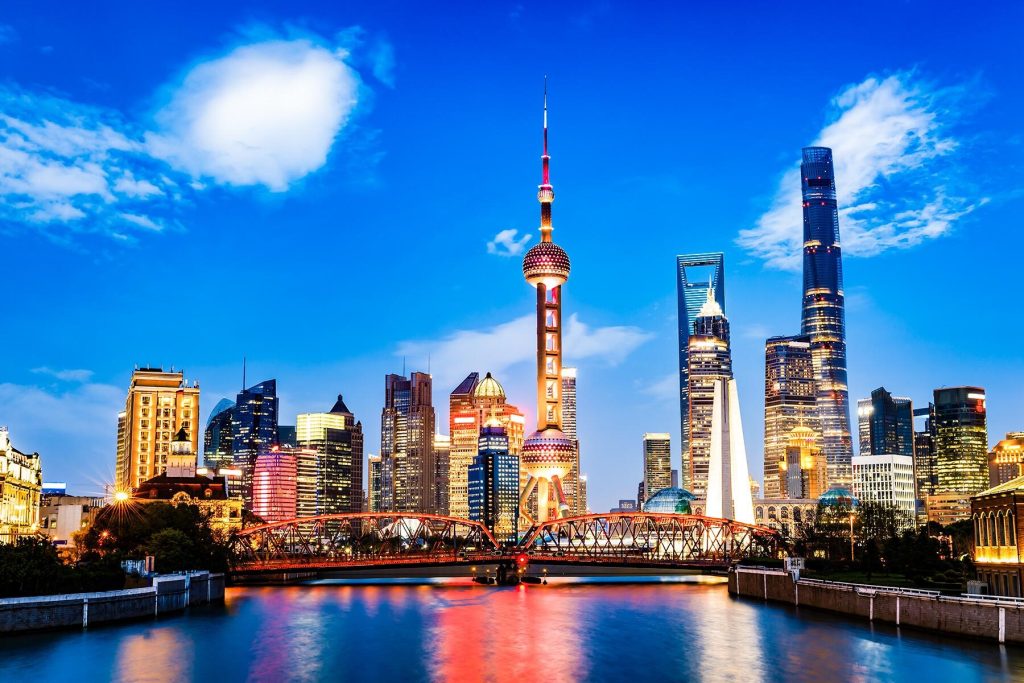
After Beijing, fly to Shanghai, China’s largest city and a global financial hub. Shanghai is known for its stunning skyline, blending futuristic skyscrapers with colonial-era architecture along The Bund. Take a stroll along the Huangpu River promenade for breathtaking views, and explore the historic French Concession with its tree-lined streets and boutique shops. Visit Yu Garden, a classical Chinese garden offering peaceful retreats from the city bustle, and shop at Nanjing Road, one of the world’s busiest shopping streets. - Immerse in Shanghai’s Modern and Traditional Mix
Explore Shanghai’s cultural landmarks such as the Shanghai Museum, which offers impressive collections of ancient Chinese art. Visit the Jade Buddha Temple to see beautiful religious sculptures and peaceful surroundings. For a taste of local life, wander through the Old City’s narrow streets, trying street snacks like xiaolongbao (soup dumplings). End your day with a Huangpu River cruise to admire the city’s illuminated skyline, an iconic experience that captures Shanghai’s energetic spirit. - Departure and Reflection
On your final day, take time to reflect on the whirlwind journey through three incredible countries. Whether departing from Shanghai, Beijing, or returning via Tokyo or Seoul, you’ll leave with unforgettable memories of diverse cultures, ancient histories, and vibrant urban life. This 2-week itinerary balances must-see landmarks with cultural immersion, offering a comprehensive snapshot of East Asia’s highlights. Prepare to plan your next adventure, as East Asia’s charm and hospitality often inspire travelers to return.
Where to stay in East Asia
Japan: Where to Stay
Tokyo:
- Shinjuku: Lively and central, great for nightlife, shopping, and transport links. Ideal for first-time visitors.
- Shibuya: Youthful vibe, trendy cafes, and easy access to major attractions.
- Asakusa: Traditional atmosphere near Senso-ji Temple, perfect for cultural immersion.
- For a quieter, upscale stay: Ginza offers luxury shopping and fine dining.
Kyoto:
- Gion: Historic district with traditional ryokans (Japanese inns) and close to temples.
- Central Kyoto (near Kyoto Station): Best for convenience and transport, with many hotels and easy access to Shinkansen.
- Arashiyama: Scenic area great for nature lovers wanting to stay near bamboo groves and river views.
South Korea: Where to Stay
Seoul:
- Myeongdong: Popular for shopping, street food, and central location. Ideal for first-timers.
- Insadong: Cultural hub with galleries, traditional tea houses, and souvenir shops.
- Hongdae: Youthful, artsy, and vibrant nightlife scene. Great for younger travelers.
- Gangnam: Upscale district, known for luxury hotels, shopping, and business centers.
China: Where to Stay
Beijing:
- Dongcheng District: Close to Forbidden City and Tiananmen Square, rich in history and culture.
- Wangfujing: Famous shopping street and central location, ideal for tourists.
- Chaoyang: Modern area with business hotels and nightlife.
Shanghai:
- The Bund: Iconic riverfront area with luxury hotels and stunning skyline views.
- People’s Square: Central area, close to museums, shopping, and metro lines.
- French Concession: Charming neighborhood with tree-lined streets, cafes, and boutique hotels.
Things to do in East Asia
Japan
- Explore Tokyo’s neighborhoods: Shibuya Crossing, Harajuku fashion, Akihabara electronics.
- Visit ancient temples: Fushimi Inari Shrine and Kinkaku-ji in Kyoto.
- Experience a tea ceremony: Traditional Japanese tea rituals in Kyoto or Tokyo.