
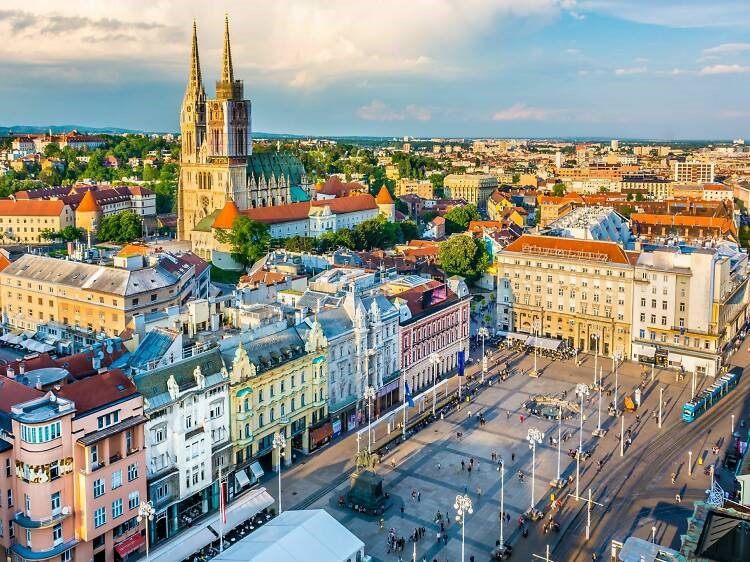

Introduction
Europe is a diverse continent known for its rich history, vibrant cultures, and stunning landscapes. It’s home to over 40 countries, each with its own unique traditions, languages, and attractions. From iconic cities like Paris, Rome, and Berlin to scenic countryside and historic landmarks, Europe offers something for every traveler. It’s also well-connected by efficient transportation networks, making it easy to explore multiple countries in one trip.
- Choose Your Countries Wisely
Europe offers a vast variety of cultures, landscapes, and experiences, so selecting which three countries to visit is the first and most important step. Consider factors like geographical proximity to minimize travel time, cultural interests, and the type of experience you want—whether it’s historic cities, beach resorts, or mountain adventures. Popular combinations include France, Italy, and Switzerland for classic European charm, or Spain, Portugal, and Morocco for a Mediterranean vibe. Research each country’s highlights to find a mix that excites you and feels manageable within your travel timeframe. - Define Your Travel Dates and Duration
Once you’ve picked your countries, decide how long your trip will be and when you want to travel. The ideal duration depends on your schedule, but for a 3-country itinerary, anywhere from 10 to 21 days is common. Avoid rushing through places, but also be mindful not to spend too much time in transit. Research the best time to visit your chosen countries—weather, festivals, and peak tourist seasons can affect your experience and costs. - Map Out Your Route
Geography matters when planning a multi-country trip. Start with mapping your countries and cities to create a logical travel route that minimizes backtracking. For example, if you’re visiting Germany, Austria, and Czech Republic, it makes sense to follow a direct path such as Berlin → Prague → Vienna. Tools like Google Maps or travel apps help visualize distances and travel times, ensuring your itinerary flows smoothly and efficiently. - Plan Transportation Between Countries
Europe’s excellent transport infrastructure offers many options for crossing borders: trains, budget airlines, buses, and even ferries. Trains are often the most scenic and convenient way, especially with passes like Eurail. Budget airlines can save time but require careful planning regarding luggage and airport transfers. Book transportation tickets early to secure the best prices and availability. Make sure to check visa or entry requirements if you plan to cross non-Schengen borders. - Select Cities and Key Attractions
Within each country, choose 1-3 cities or regions to explore based on your interests and time available. Balance major cities with smaller towns or natural spots to diversify your experience. Prioritize top attractions but leave some flexibility for spontaneous discoveries. For example, in Italy, Rome’s ancient ruins are a must-see, but a quick visit to Florence or the Amalfi Coast adds unforgettable charm. - Budget Your Trip
Traveling across multiple countries can affect your budget depending on the cost of living and exchange rates. Research typical daily expenses such as accommodation, meals, transportation, and entrance fees for each destination. Create a rough budget and plan for some flexibility. Booking hotels or hostels early can often save money, as can using public transportation and eating like a local. Don’t forget to factor in travel insurance and emergency funds. - Book Accommodation Strategically
Choose accommodations in central locations close to public transport or main attractions to maximize sightseeing time and reduce commuting stress. Depending on your style, options range from hotels and hostels to Airbnb or boutique guesthouses. Booking in advance is especially crucial during high tourist seasons. Consider booking places with free cancellation policies for added flexibility. - Create a Daily Itinerary with Time for Rest
Draft a daily plan allocating time for travel between cities, sightseeing, meals, and rest. Avoid overloading your days to prevent burnout. Remember that travel days may involve early starts or late arrivals, so allow downtime to recharge. Including free time or flexible activities lets you adapt your trip based on how you feel or unexpected opportunities. - Prepare Important Travel Documents and Essentials
Ensure your passport is valid for the duration of your trip and check visa requirements for each country. Keep digital and physical copies of your travel documents, accommodation confirmations, and tickets. Consider downloading offline maps and translation apps. Pack light but smart, bringing versatile clothing for varying climates and any necessary adapters for electronics. - Stay Open to Experiences and Embrace Flexibility
Even the best plans can change, and sometimes unplanned moments become the highlight of your trip. Be open to meeting locals, trying new foods, and exploring off-the-beaten-path spots. Flexibility allows you to adapt your itinerary if you discover a place you want to stay longer or need to rearrange travel plans. Ultimately, a 3-country European trip should be a balance of planning and spontaneity to make it memorable and enjoyable.
Where to Stay in Europe
- Types of Accommodation
Europe offers a wide range of places to stay, catering to all budgets and preferences:
- Hotels: From luxury to budget chains, hotels provide convenience and comfort, often with amenities like breakfast, Wi-Fi, and 24/7 reception.
- Hostels: Ideal for budget travelers and solo backpackers, hostels offer dorm rooms and private rooms, plus social opportunities.
- Apartments & Airbnbs: Perfect for longer stays or groups, these provide home-like facilities such as kitchens and more space.
- Guesthouses & B&Bs: These cozy, often family-run places offer a personal touch and local flavor.
- Boutique Hotels: Smaller, design-focused hotels that emphasize unique experiences and atmosphere.
- Consider Your Travel Style and Budget
Your accommodation choice depends on how much comfort you want, how much you’re willing to spend, and what kind of experience you want—whether it’s meeting fellow travelers, enjoying privacy, or living like a local. - Location Matters
Staying in central areas close to public transport, landmarks, and dining options saves time and often money on commuting. However, city centers can be pricier and noisier, so some travelers prefer quieter neighborhoods with easy metro or bus access.
Things to Do in Europe
- Visit Iconic Landmarks
Europe is home to some of the world’s most famous monuments. Don’t miss:
- Eiffel Tower in Paris, France
- Colosseum in Rome, Italy
- Big Ben & Tower Bridge in London, UK
- Sagrada Familia in Barcelona, Spain
- Acropolis in Athens, Greece
- Explore Historic Castles and Palaces
Dive into medieval and royal history at places like:
- Neuschwanstein Castle (Germany)
- Windsor Castle (England)
- Palace of Versailles (France)
- Prague Castle (Czech Republic)