

Introduction
The Arctic is the northernmost region of Earth, surrounding the North Pole. Extreme cold, ice-covered seas and tundra landscapes characterize it. The Arctic includes parts of countries like Canada, Russia, Greenland, Norway, and the United States (Alaska). This region experiences long, harsh winters with polar night (continuous darkness) and short summers with midnight sun (continuous daylight). The Arctic is home to unique wildlife such as polar bears, Arctic foxes, seals, and whales, and plays a crucial role in the Earth’s climate system.
- Introduction to Icebreaker Cruises to the Arctic
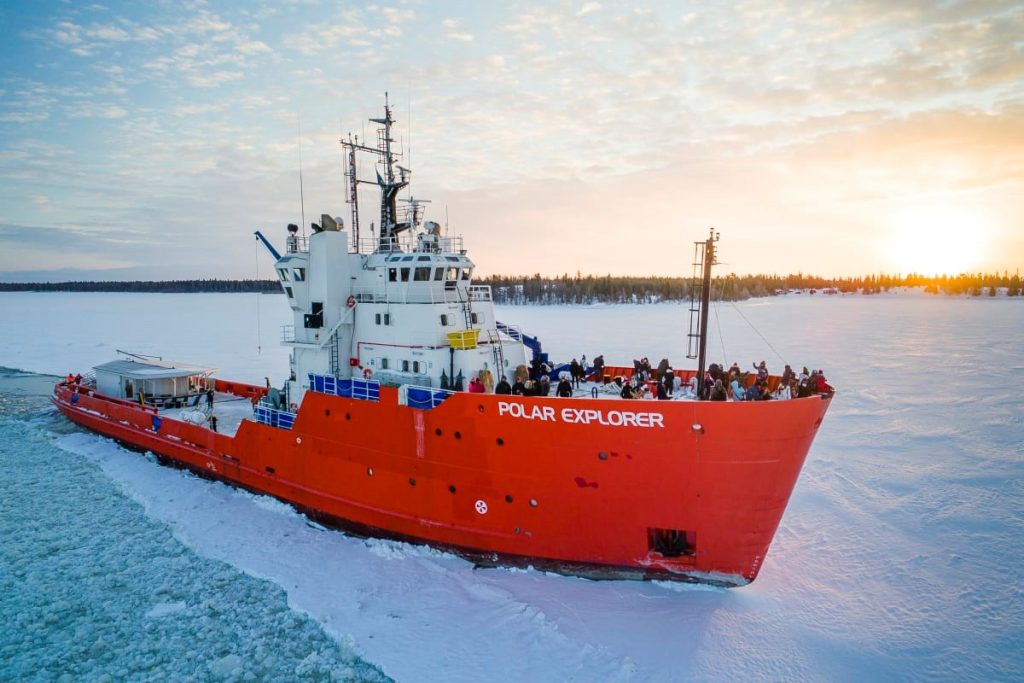
Icebreaker cruises to the Arctic offer an extraordinary way to explore one of the most remote and breathtaking regions on Earth. These voyages take place aboard specialized ships equipped with reinforced hulls capable of breaking through thick sea ice, allowing travelers to venture deep into Arctic waters where traditional cruise ships cannot go. The Arctic’s pristine landscapes, abundant wildlife, and unique cultural heritage make icebreaker cruises a dream adventure for explorers, nature lovers, and photographers alike.
- What Makes Icebreaker Ships Unique?
Icebreaker ships are marvels of marine engineering, designed specifically to navigate icy waters safely and efficiently. Their strengthened hulls, powerful engines, and unique bow shapes allow them to crush through dense sea ice, sometimes up to several feet thick. Unlike conventional cruise ships, icebreakers offer a rugged yet comfortable experience, blending functionality with passenger amenities. These ships enable expeditions that get closer to the Arctic’s heart, offering routes inaccessible to other vessels.
- The Arctic Environment and Its Challenges
The Arctic is one of the planet’s harshest environments, characterized by extreme cold, unpredictable weather, and vast ice fields. Icebreaker cruises allow passengers to experience this wilderness without the risks that solo expeditions face. Passengers witness ever-changing seascapes of floating icebergs, frozen tundra, and expansive glaciers. Despite the cold, the Arctic’s fragile ecosystem is incredibly rich and vibrant, teeming with life adapted to survive in extreme conditions.
- Unique Wildlife Encounters
One of the highlights of an Arctic icebreaker cruise is the chance to observe wildlife rarely seen elsewhere. Polar bears are perhaps the most iconic Arctic species, often spotted hunting on ice floes or roaming coastal areas. Seals, walruses, and Arctic foxes add to the rich animal diversity, while migratory birds such as puffins, guillemots, and snowy owls fill the skies during the summer months. Marine mammals like narwhals and beluga whales occasionally appear near icebreaker routes, thrilling passengers with rare sightings.
- Spectacular Natural Phenomena
Arctic icebreaker cruises offer a front-row seat to nature’s most stunning phenomena. Depending on the season, travelers may witness the mesmerizing Northern Lights—vivid ribbons of green, pink, and purple light dancing across the night sky. In the summer, the midnight sun bathes the Arctic in continuous daylight, creating surreal lighting conditions that allow for extended exploration and photography. These phenomena contribute to the magical atmosphere of an Arctic adventure.
- Cultural Insights and Indigenous Heritage
Beyond nature, Arctic cruises also offer opportunities to learn about the indigenous peoples who have thrived in this region for thousands of years. Many expeditions include visits to remote Arctic communities where travelers can engage with local culture, traditions, and history. Indigenous guides often share stories about survival in the polar environment, traditional hunting practices, and the significance of the Arctic landscape in their worldview, enriching the journey with cultural depth.
- Activities and Exploration Opportunities
Icebreaker cruises aren’t just about the ship journey; they include a range of onshore and onboard activities that bring the Arctic to life. Zodiac boat excursions allow for close-up encounters with ice formations, wildlife, and coastal landscapes. Guided hikes on the tundra or glacier walks provide a tactile connection with the environment. Educational lectures from scientists, historians, and naturalists onboard deepen understanding of Arctic geology, climate change, and ecology, making the experience both exciting and informative.
- Safety and Comfort in Extreme Conditions
Despite the Arctic’s remoteness and challenges, icebreaker cruises prioritize passenger safety and comfort. Ships are equipped with modern navigation and safety systems, and crews are experienced in polar conditions. Cabins are warm and well-appointed, with amenities to ensure a cozy stay after a day in the cold. The combination of expert leadership, robust ship design, and comprehensive safety protocols allows passengers to explore the Arctic with confidence and peace of mind.
- Environmental Responsibility and Sustainable Travel
Modern Arctic expeditions increasingly emphasize sustainable and responsible travel practices. Icebreaker cruise operators often adhere to strict environmental guidelines to minimize their impact on the fragile Arctic ecosystem. Efforts include waste management, reducing emissions, and limiting disturbances to wildlife. Passengers are encouraged to respect local regulations and participate in conservation-minded activities, contributing to the protection of the Arctic for future generations.
- Why Choose an Icebreaker Cruise to the Arctic?
Choosing an icebreaker cruise to the Arctic means embarking on a once-in-a-lifetime journey to one of the world’s last great wildernesses. It offers an unmatched combination of adventure, education, and awe-inspiring beauty, accessible in comfort and safety. Whether you seek spectacular wildlife sightings, cultural enrichment, or simply the thrill of breaking through ancient ice, an Arctic icebreaker cruise delivers an unforgettable experience that transforms your understanding of our planet’s polar regions.
Where to Stay in the Arctic
- Arctic Research Stations
For scientists and researchers, many Arctic expeditions base themselves at research stations operated by various countries. These stations offer basic but functional accommodations, often shared dormitories or cabins, with access to laboratories and equipment. Examples include Ny-Ålesund (Svalbard, Norway) and the Barrow Arctic Research Center (Alaska, USA). - Arctic Hotels and Lodges
Several Arctic towns have hotels and lodges catering to tourists. These range from cozy, rustic lodges with traditional Sami influences to modern hotels with full amenities. Popular towns with accommodations include Longyearbyen in Svalbard, Tromsø in Norway, and Ilulissat in Greenland. - Ice Hotels
For a unique Arctic experience, ice hotels are an unforgettable choice. These are built entirely from ice and snow and rebuilt every year. Famous examples include the ICEHOTEL in Jukkasjärvi, Sweden (technically sub-Arctic but often included in Arctic travel itineraries). Staying in an ice hotel lets you experience Arctic conditions in a safe, artistic setting.
Things to Do in the Arctic
- Ice Diving
Dive beneath the frozen surface to explore the Arctic’s underwater world—crystal-clear ice formations, unique marine life, and surreal silence. - Northern Lights Viewing
Witness the breathtaking Aurora Borealis lighting up the Arctic sky with vibrant colors, especially in winter months. - Dog Sledding
Experience traditional Arctic transportation by mushing a team of sled dogs across snowy landscapes.
Day Trips from Arctic
- From Longyearbyen (Svalbard, Norway)
- Boat trip to Pyramiden: Visit the abandoned Russian mining town with guided tours, wildlife spotting, and spectacular Arctic scenery.
- Dog sledding tour: Experience a half-day or full-day dog sled ride on the snow-covered tundra, guided by expert mushers.
- Snowmobile safari: Explore glaciers, frozen fjords, and valleys with a snowmobile day adventure.
- From Tromsø (Norway)
- Fjord sightseeing cruise: Take a day cruise through the dramatic Norwegian fjords to see wildlife like sea eagles and seals.
- Northern Lights chase (winter): Join a guided evening tour to hunt for the Aurora Borealis away from city lights.
- Arctic wildlife safari: Visit nearby islands or coastal areas for birdwatching and marine life spotting.
- From Ilulissat (Greenland)
- Icefjord boat tour: Sail around the UNESCO-listed Ilulissat Icefjord to witness towering icebergs and floating ice.
- Hiking to Sermermiut: Explore the ancient Inuit settlement ruins with spectacular views of the icefjord.
- Dog sledding or snowmobiling (seasonal): Try winter adventures on the ice and snow-covered tundra.