

Introduction
The Arctic is the northernmost region of Earth, surrounding the North Pole. Extreme cold, ice-covered seas and tundra landscapes characterize it. The Arctic includes parts of countries like Canada, Russia, Greenland, Norway, and the United States (Alaska). This region experiences long, harsh winters with polar night (continuous darkness) and short summers with midnight sun (continuous daylight). The Arctic is home to unique wildlife such as polar bears, Arctic foxes, seals, and whales, and plays a crucial role in the Earth’s climate system.
- Introduction to Arctic Circle Road Trips
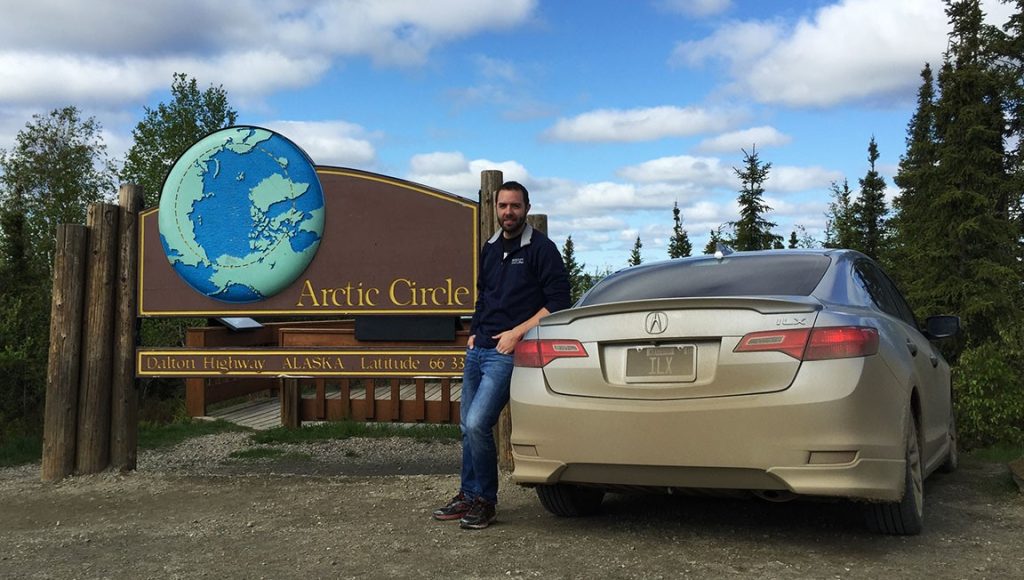
Embarking on an Arctic Circle road trip is a journey like no other, taking you to the edge of the world where nature reveals its raw, untouched beauty. Crossing the Arctic Circle means entering a unique region characterized by extreme daylight variations, stunning wilderness, and rich cultural heritage. Whether you choose to travel during the endless days of summer or the magical winter months illuminated by the Northern Lights, a road trip here offers adventure, tranquility, and breathtaking scenery. It’s the perfect escape for travelers seeking a mix of excitement and serenity far from crowded tourist hubs.
- Unique Geography and Climate
The Arctic Circle marks the southern boundary of the polar day and polar night phenomena, where the sun either doesn’t set in summer or doesn’t rise in winter. This geographical feature makes road trips here especially unique, as you can experience the midnight sun or the magical polar twilight. The climate varies from cold tundra to subarctic, so preparation is key. Summer offers milder temperatures and accessible roads, while winter brings snow and ice, ideal for those seeking a true Arctic experience with snowy landscapes and frozen lakes.
- Scenic Routes and Driving Experience
Driving through the Arctic Circle takes you on some of the most scenic routes in the world. Famous roads such as Norway’s E6 and Sweden’s Riksväg 99 pass through dramatic fjords, rugged mountains, and vast forests. The roads are generally well-maintained but can be narrow and winding, demanding cautious driving. The reward is unmatched views — sparkling glaciers, wild rivers, and wildlife sightings along the way. The solitude and peacefulness of these routes provide a calming contrast to hectic city life, perfect for reflective travel.
- Wildlife Encounters
One of the highlights of an Arctic Circle road trip is the opportunity to spot incredible wildlife in their natural habitat. Reindeer herds often cross the roads, and you may encounter Arctic foxes, snowy owls, and even moose. In coastal areas, whales and seals are frequent sightings, especially during summer months. Bird watchers will delight in the diverse species that thrive in this remote environment. Remember to respect wildlife by keeping a safe distance and avoiding disturbing their natural behavior.
- Northern Lights and Midnight Sun
The Arctic Circle is one of the best places on Earth to witness the Northern Lights, especially between September and April. Clear, dark skies allow the vibrant aurora borealis to dance across the heavens in spectacular colors. Conversely, in summer, the midnight sun provides 24 hours of daylight, creating a surreal environment where outdoor activities can continue around the clock. Both phenomena offer photographers incredible opportunities and travelers unforgettable memories.
- Cultural Insights and Local Communities
Traveling by road in the Arctic Circle also means engaging with indigenous cultures, particularly the Sámi people, who have inhabited these lands for thousands of years. Many road trip routes pass through small towns and villages where traditional Sámi reindeer herding and handicrafts are still practiced. Local festivals, museums, and markets provide a window into the rich cultural heritage and offer unique souvenirs. This blend of nature and culture enriches the road trip experience beyond just the landscapes.
- Outdoor Activities Along the Way
The Arctic Circle is an outdoor enthusiast’s dream destination. Depending on the season, you can hike through pristine national parks, kayak in fjords, snowmobile across frozen lakes, or go dog sledding with huskies. Fishing, bird watching, and cycling are also popular during the warmer months. These activities allow travelers to immerse themselves fully in the Arctic environment, offering both physical challenges and serene moments in nature.
- Planning and Preparation Tips
Driving in the Arctic requires careful planning. Ensure your vehicle is suited for the conditions — winter tires or studded tires may be necessary during snowy months. Prepare for limited fuel stations and services, especially in remote stretches. Weather can change quickly, so packing appropriate clothing, emergency supplies, and navigation tools is crucial. It’s also wise to check road conditions and local advice regularly. A well-planned trip enhances safety and enjoyment.
- Best Time to Visit
Choosing the right time for an Arctic Circle road trip depends on your interests. Summer (June to August) offers accessibility, mild weather, and endless daylight perfect for hiking and sightseeing. Winter (December to March) provides the chance to witness the Northern Lights and enjoy snow-based activities but demands more preparation and caution due to icy roads. Shoulder seasons like spring and autumn bring fewer tourists and beautiful changing landscapes, but daylight hours are shorter.
- Memorable Experiences and Lasting Impressions
An Arctic Circle road trip is a journey that leaves lasting impressions — from awe-inspiring natural wonders to meaningful encounters with local people and wildlife. The feeling of driving through vast, silent landscapes interrupted only by the sound of your engine or a distant animal call is deeply humbling. Whether it’s the thrill of spotting the Northern Lights or the peacefulness of the midnight sun, these moments become cherished memories. For many, it’s not just a trip, but a profound experience of nature’s power and beauty.
Where to Stay in the Arctic
- Arctic Research Stations
For scientists and researchers, many Arctic expeditions base themselves at research stations operated by various countries. These stations offer basic but functional accommodations, often shared dormitories or cabins, with access to laboratories and equipment. Examples include Ny-Ålesund (Svalbard, Norway) and the Barrow Arctic Research Center (Alaska, USA). - Arctic Hotels and Lodges
Several Arctic towns have hotels and lodges catering to tourists. These range from cozy, rustic lodges with traditional Sami influences to modern hotels with full amenities. Popular towns with accommodations include Longyearbyen in Svalbard, Tromsø in Norway, and Ilulissat in Greenland. - Ice Hotels
For a unique Arctic experience, ice hotels are an unforgettable choice. These are built entirely from ice and snow and rebuilt every year. Famous examples include the ICEHOTEL in Jukkasjärvi, Sweden (technically sub-Arctic but often included in Arctic travel itineraries). Staying in an ice hotel lets you experience Arctic conditions in a safe, artistic setting.
Things to Do in the Arctic
- Ice Diving
Dive beneath the frozen surface to explore the Arctic’s underwater world—crystal-clear ice formations, unique marine life, and surreal silence. - Northern Lights Viewing
Witness the breathtaking Aurora Borealis lighting up the Arctic sky with vibrant colors, especially in winter months. - Dog Sledding
Experience traditional Arctic transportation by mushing a team of sled dogs across snowy landscapes.
Day Trips from Arctic
- From Longyearbyen (Svalbard, Norway)
- Boat trip to Pyramiden: Visit the abandoned Russian mining town with guided tours, wildlife spotting, and spectacular Arctic scenery.
- Dog sledding tour: Experience a half-day or full-day dog sled ride on the snow-covered tundra, guided by expert mushers.
- Snowmobile safari: Explore glaciers, frozen fjords, and valleys with a snowmobile day adventure.
- From Tromsø (Norway)
- Fjord sightseeing cruise: Take a day cruise through the dramatic Norwegian fjords to see wildlife like sea eagles and seals.
- Northern Lights chase (winter): Join a guided evening tour to hunt for the Aurora Borealis away from city lights.
- Arctic wildlife safari: Visit nearby islands or coastal areas for birdwatching and marine life spotting.
- From Ilulissat (Greenland)
- Icefjord boat tour: Sail around the UNESCO-listed Ilulissat Icefjord to witness towering icebergs and floating ice.
- Hiking to Sermermiut: Explore the ancient Inuit settlement ruins with spectacular views of the icefjord.
- Dog sledding or snowmobiling (seasonal): Try winter adventures on the ice and snow-covered tundra.