

Introduction
Alaska is the largest state in the United States, located in the far northwest of North America. Known for its vast wilderness, it features stunning landscapes like mountains, glaciers, forests, and abundant wildlife. Alaska is famous for outdoor adventures such as hiking, fishing, and wildlife viewing. Despite its cold climate, it has vibrant communities and rich Indigenous cultures. It’s often called “The Last Frontier” because of its remote, untamed natural beauty.
- Introduction to Glacier Hiking in Alaska
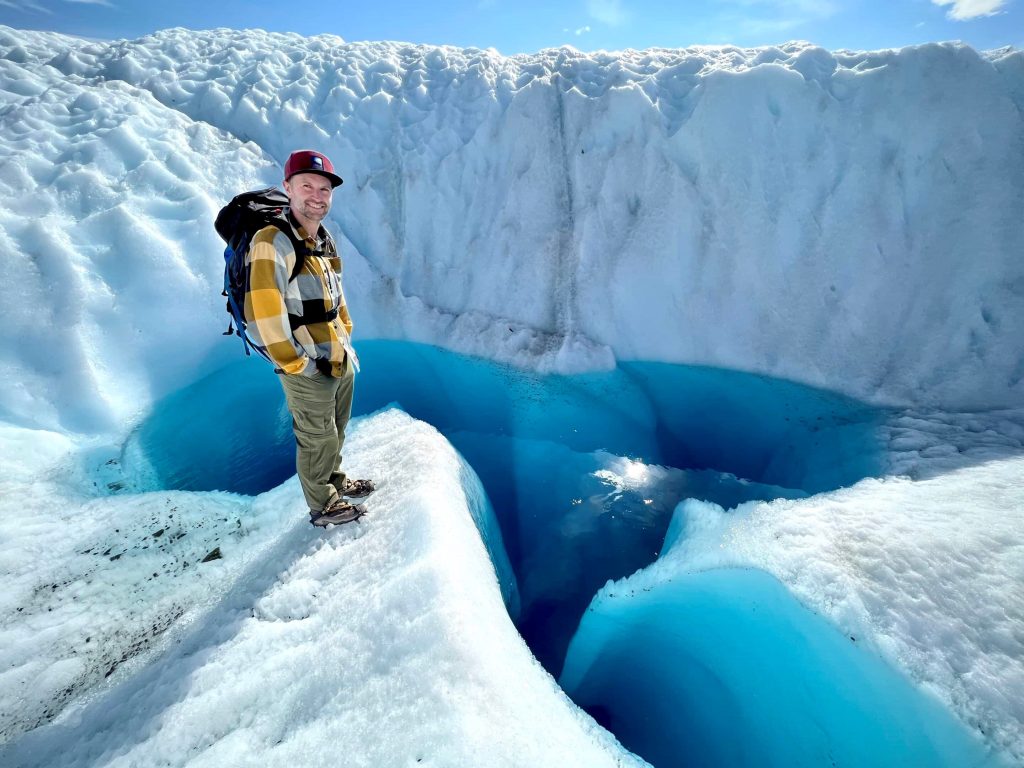
Alaska is renowned worldwide for its immense glaciers, rugged mountain ranges, and pristine wilderness. Hiking on glaciers in Alaska offers an unforgettable adventure, combining physical challenge with spectacular natural beauty. These massive ice rivers, formed over thousands of years, are dynamic landscapes that invite explorers to walk among towering ice formations, deep crevasses, and shimmering blue ice caves. Glacier hiking is more than just a trek; it’s a journey into one of Earth’s most dramatic and fragile environments.
- Why Alaska’s Glaciers Are Unique
Alaska is home to nearly 100,000 glaciers, making it one of the best places on Earth to experience glacier hiking. From the massive Hubbard Glacier to the easily accessible Mendenhall Glacier near Juneau, each glacier offers distinct features. The sheer scale and diversity of Alaska’s glaciers, coupled with the surrounding wilderness of mountains and forests, create awe-inspiring settings that attract adventurers from around the globe. The glaciers here are also actively changing due to climate influences, making every visit unique.
- Essential Gear for Glacier Hiking
Safety is paramount when hiking on glaciers. Specialized gear is necessary, including crampons (spiked shoes) for traction on ice, ice axes for stability, helmets, and harnesses for crevasse rescue situations. Warm, layered clothing is essential to protect against cold temperatures and wet conditions. Many guided tours provide this equipment, along with expert instruction on how to use it. Proper gear not only ensures safety but also enhances the overall hiking experience on the ice.
- Guided Tours vs. Independent Hiking
While some experienced adventurers attempt glacier hiking independently, most recommend guided tours, especially for beginners. Guides are trained to navigate the unpredictable glacier terrain safely, recognize hazards like crevasses and unstable ice, and provide invaluable education on glaciology and local ecology. Guided hikes often include transportation, equipment rental, and permits, making them convenient and accessible for visitors with varying skill levels.
- Popular Glaciers for Hiking
Several glaciers in Alaska are popular for hiking due to their accessibility and scenic beauty. The Mendenhall Glacier near Juneau offers well-maintained trails and glacier trekking opportunities. Exit Glacier in Kenai Fjords National Park is another favorite, where visitors can hike right up to the glacier’s edge. For more adventurous experiences, glaciers like Root Glacier near McCarthy or the Harding Icefield offer longer, more challenging routes with stunning views.
- Physical Challenges and Fitness
Hiking on glaciers demands a good level of physical fitness. The terrain is uneven, slippery, and sometimes steep, requiring strength, balance, and endurance. Cold weather can also sap energy faster than usual, so being prepared with adequate hydration and nutrition is critical. Many tours are designed to accommodate different fitness levels, but some preparation and acclimatization can enhance safety and enjoyment.
- Environmental Considerations and Respect
Alaska’s glaciers are sensitive ecosystems, and hikers must respect the environment to minimize their impact. This includes sticking to established routes, avoiding disturbing wildlife, and carrying out all trash. Glaciers are also indicators of climate change; many are retreating rapidly. Responsible glacier hiking means supporting conservation efforts and being aware of the fragile balance between adventure and preservation.
- Seasonal Variations in Glacier Hiking
The best time for glacier hiking in Alaska is typically from late spring through early fall, when daylight hours are long and weather is milder. Summer months offer warmer temperatures and easier access, but also more crowds. Winter glacier hiking is possible for experienced adventurers but requires specialized skills and equipment due to harsher conditions, shorter days, and increased avalanche risks. Seasonal changes also affect glacier features like ice caves, which can open or close depending on temperature.
- Wildlife and Scenic Highlights
While the glacier itself is a highlight, the surrounding Alaska wilderness adds to the experience. Hikers might spot mountain goats, eagles, or even bears in the nearby forests. The stark contrast of blue ice against snow-covered peaks, alongside crystal-clear glacial streams, offers photographers and nature lovers incredible opportunities. The silence on the glacier, broken only by cracking ice or flowing meltwater, creates a surreal atmosphere unlike any other hiking experience.
- Preparing for Your Glacier Hiking Adventure
Preparation is key for a safe and enjoyable glacier hiking trip in Alaska. Research your chosen glacier and tour operator, check weather conditions, and ensure you have the right clothing and gear. Physical training beforehand can help manage the physical demands. It’s also wise to learn basic glacier safety knowledge, including crevasse awareness. With careful planning, glacier hiking in Alaska can be an extraordinary adventure that combines awe-inspiring landscapes with the thrill of exploring one of nature’s last frontiers.
Where to stay in Alaska
- Anchorage
Anchorage is Alaska’s largest city and a common gateway for visitors. It offers a wide range of accommodations—from budget motels to upscale hotels. Staying here gives easy access to city amenities, restaurants, and tours, plus proximity to natural attractions like the Chugach Mountains and nearby glaciers.
- Juneau
Alaska’s capital city, Juneau, is a popular base for glacier hiking, whale watching, and exploring the Tongass National Forest. The town offers cozy inns, lodges, and hotels. Juneau’s waterfront location provides stunning views and convenient access to the Mendenhall Glacier.
- Fairbanks
If you’re interested in Northern Lights viewing or exploring interior Alaska’s wilderness, Fairbanks is the place to stay. The city offers hotels, cabins, and lodges, many with Northern Lights wake-up calls during the aurora season.
Things to do in Alaska
- Glacier Hiking and Ice Climbing — Explore Alaska’s majestic glaciers up close by hiking, trekking, or climbing on iconic glaciers like Mendenhall, Exit, or Root Glacier.
- Wildlife Viewing — Spot bears, moose, eagles, whales, and more in their natural habitats, especially in Denali National Park, Katmai, and Kenai Fjords.
- Northern Lights Viewing — Visit Fairbanks or remote lodges during winter to experience the mesmerizing aurora borealis lighting up the night sky.
Day trip from Alaska
From Anchorage:
- Kenai Fjords National Park — Take a boat cruise to see glaciers, wildlife like whales and sea otters, and dramatic fjords.
- Matanuska Glacier — About 2 hours away, this is one of Alaska’s most accessible glaciers for guided hikes and ice exploration.
- Talkeetna — A charming small town perfect for flightseeing tours around Denali or exploring local shops and cafes.
From Juneau:
- Mendenhall Glacier — Just 12 miles from downtown, hike the trails around the glacier or book a guided ice trek.
- Whale Watching Tours — Juneau is one of the best spots for humpback whale and orca sightings.
- Tracy Arm Fjord — Take a scenic boat trip to this stunning fjord with towering cliffs and glaciers.
From Fairbanks:
- Chena Hot Springs — Soak in natural hot springs, visit the ice museum, and maybe catch the Northern Lights in winter.
- Pioneer Park — Explore this historical park with museums, shops, and cultural exhibits right in Fairbanks.