

Introduction
Antarctica is Earth’s southernmost continent, located around the South Pole. It’s the coldest, windiest, and driest continent, covered almost entirely by ice. Despite its harsh conditions, Antarctica is home to unique wildlife like penguins, seals, and whales. It’s a place of scientific research, pristine natural beauty, and extreme adventure, attracting explorers and scientists from around the world.
- Layered Clothing System
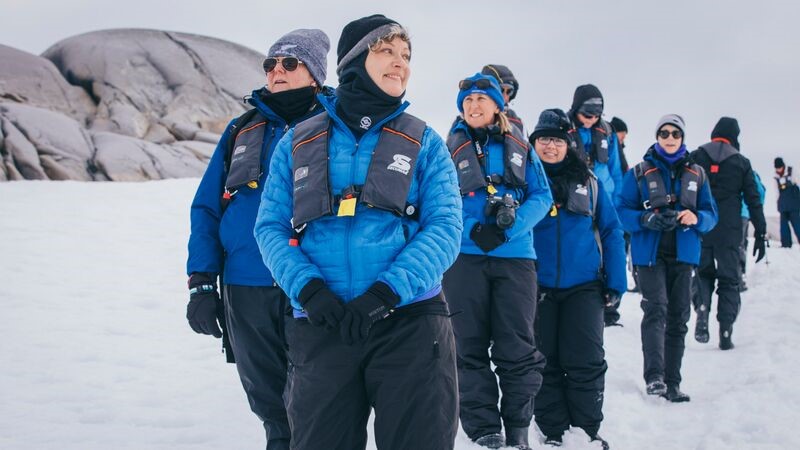
When heading into polar regions like the Arctic or Antarctica, the first and most important packing essential is a proper layered clothing system. Layering allows you to regulate your body temperature based on changing weather conditions and activity levels. Start with a moisture-wicking base layer made from merino wool or synthetic material. Follow this with an insulating mid-layer, such as a fleece or down jacket, and top it off with a windproof and waterproof outer shell. Avoid cotton, as it retains moisture and can make you cold faster. - Insulated and Waterproof Outerwear
Outerwear is your first line of defense against the harsh elements. A high-quality insulated parka or jacket that’s windproof and waterproof is essential for keeping warm during long hours in freezing temperatures. Look for a jacket with adjustable hoods, cuffs, and drawstrings to trap body heat. Similarly, snow or ski pants that offer waterproofing and insulation are necessary to prevent frostbite and hypothermia when walking, skiing, or sitting on ice or snow for extended periods. - Cold-Weather Footwear
Feet are particularly vulnerable to the cold, so specialized boots are a must. Pack a pair of insulated, waterproof boots with a non-slip sole to navigate icy terrain safely. Your boots should also have ample room for thick wool socks without compressing your toes, which can cut off circulation. Many polar explorers recommend boots rated for temperatures of -40°C or colder, especially if you’ll be standing still or camping. - Thermal Accessories (Gloves, Hats, Socks)
Accessories might seem minor, but they play a critical role in keeping extremities warm. Pack multiple pairs of thermal gloves or mittens, and consider glove liners for added warmth and flexibility. A fleece or wool hat that covers your ears is crucial, and a balaclava or neck gaiter will protect your face and neck from biting winds. Thick, breathable wool socks will keep your feet dry and warm—bring extras in case they get wet. - Polar-Grade Sleeping Bag (if camping)
If your polar adventure includes overnight stays in the field or camping on ice, a polar-grade sleeping bag is essential. These sleeping bags are rated for extreme sub-zero temperatures and often come with down or synthetic insulation and features like draft collars and mummy-style designs for maximum heat retention. Pair your sleeping bag with a high-quality insulated sleeping pad to prevent cold from seeping up from the frozen ground or ice. - Sun and Snow Protection Gear
Ironically, one of the biggest dangers in the polar regions is the sun. The reflective surface of the snow can intensify UV exposure, leading to snow blindness and sunburn. Pack UV-protection sunglasses or glacier glasses with side shields. High-SPF sunscreen and lip balm with UV protection are essential even in cold weather. Don’t forget to reapply regularly, as wind and cold can wear it off faster than you might expect. - High-Energy Food and Hydration
Cold weather increases your calorie needs, so pack high-energy, easy-to-eat snacks like energy bars, nuts, dried fruits, and chocolate. Staying hydrated is equally important, but water can freeze in extreme cold. Use insulated bottles or thermoses, and avoid carrying metal bottles without insulation. Consider bringing a small stove or heating system to melt snow for water if you’re venturing off-grid. - Emergency and Safety Gear
In remote polar environments, safety gear is not optional. Pack a basic first-aid kit, personal locator beacon (PLB), GPS device, and a headlamp with extra batteries. Other essentials might include a whistle, flare, multi-tool, and a lightweight emergency bivvy or thermal blanket. In some regions, especially in the Arctic, polar bear deterrents like bear spray (where legal) or electric fences might also be necessary. - Waterproof Bags and Packing Systems
Organization and protection of your gear is crucial in wet, windy, and snowy conditions. Use waterproof duffel bags, compression sacks, and dry bags to keep clothing and electronics dry. Packing cubes can help with organization, while vacuum-sealed bags can save space and add an extra layer of protection. A well-packed bag can be the difference between a comfortable journey and a wet, frozen nightmare. - Power and Tech Essentials
Batteries drain quickly in extreme cold, so bring extra power banks and keep them warm by storing them close to your body. If you’re carrying a camera, drone, or GPS device, make sure it’s rated for cold weather or bring protective cases. Avoid lithium batteries that are not cold-rated, and always test your gear before departure. A notebook and pen (preferably waterproof) are useful for field notes when electronics fail or freeze.
Where to Stay in Antarctica
- Research Stations
The most permanent “accommodations” in Antarctica are the scientific research stations operated by various countries. These facilities house scientists and support staff year-round, but they generally don’t accept tourists overnight. However, some expeditions include brief visits to these stations where visitors can learn about research and life in Antarctica. - Expedition Cruises
The most common way tourists “stay” in Antarctica is on board expedition cruise ships. These vessels serve as both transport and accommodation, offering cabins with varying levels of comfort—from cozy shared rooms to luxury suites. Cruises range from basic to high-end, often featuring expert guides, naturalists, and even zodiac boats for landing on shore. - Icebreaker Ships
Some tours use icebreaker ships capable of navigating thicker sea ice to reach more remote parts of Antarctica. These ships also have onboard cabins and facilities similar to cruise ships but with a stronger focus on exploration and adventure.
Things to Do in Antarctica
- Wildlife Watching
Antarctica is famous for its unique wildlife. You can observe penguins (like Adélie, Gentoo, and Emperor), seals (such as Weddell and leopard seals), whales (including orcas and humpbacks), and a variety of seabirds. Wildlife is most active during the summer months, making it an unforgettable experience. - Zodiac Boat Excursions
Small inflatable boats called Zodiacs allow visitors to get close to icebergs, glaciers, and wildlife along the coast. These excursions offer a thrilling and intimate way to explore areas that larger ships can’t access. - Kayaking
For the more adventurous, kayaking among the ice floes and around pristine shorelines offers a unique perspective on Antarctica’s icy wilderness. Guided tours provide safety and help you
Day trip from Antarctica
- Zodiac Landings
Most Antarctic cruises include multiple short day trips using Zodiac boats to land on the continent or nearby islands. These landings let you explore wildlife colonies, glaciers, and historic sites for a few hours before returning to the ship. - Hiking Excursions
During these day landings, guided hikes on the ice or rocky shorelines allow visitors to experience Antarctica’s terrain safely. - Visits to Research Stations
Some day trips include stops at scientific research stations, where you can learn about ongoing Antarctic research.