

Introduction
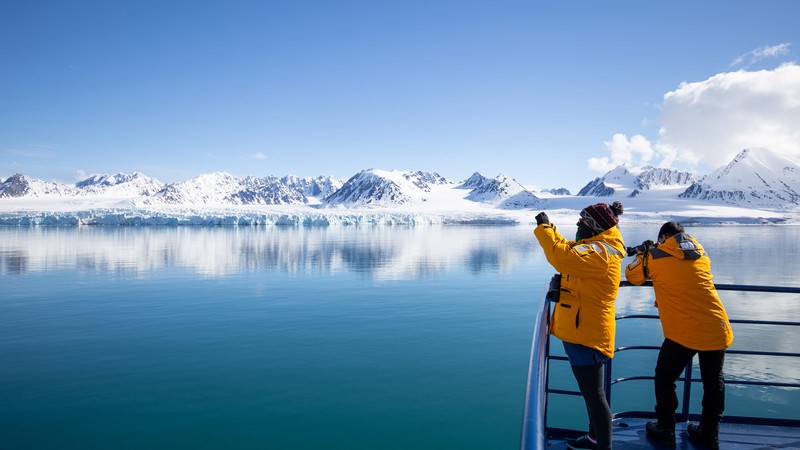
The Arctic is the northernmost region of Earth, surrounding the North Pole. Extreme cold, ice-covered seas and tundra landscapes characterize it. The Arctic includes parts of countries like Canada, Russia, Greenland, Norway, and the United States (Alaska). This region experiences long, harsh winters with polar night (continuous darkness) and short summers with midnight sun (continuous daylight). The Arctic is home to unique wildlife such as polar bears, Arctic foxes, seals, and whales, and plays a crucial role in the Earth’s climate system.
- Introduction to Polar Adventure Tourism
Adventure tourism in the Polar Regions is one of the most extraordinary and growing segments of global travel. It caters to travelers seeking unique, immersive experiences in some of the planet’s most remote and untouched environments—the Arctic in the north and Antarctica in the south. These icy landscapes offer both natural beauty and physical challenges that draw adventurers from all over the world. Far from the comforts of mainstream tourism, polar adventures promise personal growth, deep connection with nature, and the thrill of the unknown. - Unmatched Natural Beauty
The Polar Regions boast breathtaking natural scenery that cannot be found anywhere else on Earth. Towering icebergs, massive glaciers, endless snowfields, and pristine oceans define these extreme environments. In the Arctic, travelers can witness dramatic fjords and frozen seas, while Antarctica offers vast ice shelves, mountain ranges, and surreal blue ice caves. This stunning natural backdrop not only provides unforgettable memories but also serves as a reminder of Earth’s raw and powerful forces. - Unique Wildlife Encounters
One of the biggest draws for adventure tourists in the Polar Regions is the chance to observe rare and iconic wildlife in their natural habitats. The Arctic is home to polar bears, Arctic foxes, walruses, reindeer, and a variety of seabirds. In contrast, Antarctica hosts colonies of penguins, seals, whales, and albatrosses. Seeing these creatures up close—often while aboard an expedition vessel or during guided landings—makes for a once-in-a-lifetime experience that few other destinations can offer. - A Range of Thrilling Activities
Polar adventure tourism offers an array of activities for thrill-seekers. Popular options include glacier hiking, snowshoeing, ice climbing, sea kayaking, dog sledding, and even scuba diving under the ice. In the Arctic, visitors might chase the Northern Lights or ride snowmobiles across frozen tundra. In Antarctica, adventurers can camp overnight on the ice or take part in polar plunges—brief dips in freezing water. These activities are often guided by experts, ensuring safety while maximizing the excitement. - Scientific and Educational Value
Beyond thrills, the Polar Regions are hotspots for scientific research and education. Many tours are led by experts in glaciology, marine biology, or climate science who offer lectures and insights during expeditions. Tourists often leave with a greater understanding of climate change, ice dynamics, and ecosystem fragility. Educational tourism in these areas helps bridge the gap between adventure and awareness, encouraging deeper respect for nature and global environmental systems. - Environmental Challenges and Climate Change
The Polar Regions are among the most vulnerable to climate change, with rapidly melting ice, shifting wildlife patterns, and rising sea levels. Adventure tourism in these areas brings attention to these urgent environmental issues. Tour operators increasingly adopt eco-friendly practices, such as minimizing waste, avoiding sensitive wildlife areas, and reducing carbon footprints. Tourists often return home as advocates for conservation after witnessing the delicate beauty of these environments firsthand. - Accessibility and Expedition Cruises
Accessing the Polar Regions is easier today than it was decades ago, thanks to specialized expedition cruises and charter flights. Modern icebreaker vessels, equipped with comfortable accommodations and expert guides, allow tourists to reach remote coastlines safely. From Ushuaia, Argentina, travelers can sail across the Drake Passage to Antarctica. From Norway, Canada, or Iceland, expeditions head into the Arctic Circle. These voyages are not luxurious cruises in the traditional sense—they focus on exploration, learning, and physical involvement. - Cultural and Indigenous Experiences in the Arctic
Unlike Antarctica, the Arctic is inhabited by indigenous peoples such as the Inuit in Canada and Greenland, the Sámi in Scandinavia, and native communities in Siberia and Alaska. Adventure tourism here can include cultural exchanges, traditional storytelling, visits to indigenous villages, and participation in local customs. These experiences deepen the traveler’s understanding of how people have adapted to life in extreme cold and offer a more human dimension to the Arctic adventure. - Responsible Tourism and Safety
Due to the sensitive nature of polar ecosystems, responsible tourism is essential. Reputable tour operators follow strict environmental guidelines, such as those set by the International Association of Antarctica Tour Operators (IAATO) and the Association of Arctic Expedition Cruise Operators (AECO). These organizations ensure visitor safety and minimize environmental impact through regulated group sizes, wildlife viewing distances, and waste management. Tourists are encouraged to follow a “leave no trace” philosophy and treat these areas with the utmost respect. - A Life-Changing Experience
Perhaps the most defining feature of adventure tourism in the Polar Regions is the emotional and psychological impact it leaves on travelers. Many describe it as life-changing. The isolation, the silence, the vastness of the icy landscapes, and the encounters with wildlife stir a profound sense of awe and humility. The physical challenge, coupled with the educational and environmental aspects, transforms adventure into something deeper—a personal journey into the heart of nature and oneself.
Where to Stay in the Arctic
- Arctic Research Stations
For scientists and researchers, many Arctic expeditions base themselves at research stations operated by various countries. These stations offer basic but functional accommodations, often shared dormitories or cabins, with access to laboratories and equipment. Examples include Ny-Alesund (Svalbard, Norway) and the Barrow Arctic Research Center (Alaska, USA). - Arctic Hotels and Lodges
Several Arctic towns have hotels and lodges catering to tourists. These range from cozy, rustic lodges with traditional Sami influences to modern hotels with full amenities. Popular towns with accommodations include Longyearbyen in Svalbard, Tromso in Norway, and Ilulissat in Greenland. - Ice Hotels
For a unique Arctic experience, ice hotels are an unforgettable choice. These are built entirely from ice and snow and rebuilt every year. Famous examples include the ICEHOTEL in Jukkasjarvi, Sweden (technically sub-Arctic but often included in Arctic travel itineraries). Staying in an ice hotel lets you experience Arctic conditions in a safe, artistic setting.
Things to Do in the Arctic
- Ice Diving
Dive beneath the frozen surface to explore the Arctic’s underwater world—crystal-clear ice formations, unique marine life, and surreal silence. - Northern Lights Viewing
Witness the breathtaking Aurora Borealis lighting up the Arctic sky with vibrant colors, especially in winter months. - Dog Sledding
Experience traditional Arctic transportation by mushing a team of sled dogs across snowy landscapes.
Day Trips from Arctic
- From Longyearbyen (Svalbard, Norway)
- Boat trip to Pyramiden: Visit the abandoned Russian mining town with guided tours, wildlife spotting, and spectacular Arctic scenery.
- Dog sledding tour: Experience a half-day or full-day dog sled ride on the snow-covered tundra, guided by expert mushers.
- Snowmobile safari: Explore glaciers, frozen fjords, and valleys with a snowmobile day adventure.
- From Tromsø (Norway)
- Fjord sightseeing cruise: Take a day cruise through the dramatic Norwegian fjords to see wildlife like sea eagles and seals.
- Northern Lights chase (winter): Join a guided evening tour to hunt for the Aurora Borealis away from city lights.
- Arctic wildlife safari: Visit nearby islands or coastal areas for birdwatching and marine life spotting.
- From Ilulissat (Greenland)
- Icefjord boat tour: Sail around the UNESCO-listed Ilulissat Icefjord to witness towering icebergs and floating ice.
- Hiking to Sermermiut: Explore the ancient Inuit settlement ruins with spectacular views of the icefjord.
- Dog sledding or snowmobiling (seasonal): Try winter adventures on the ice and snow-covered tundra.