

Introduction
Norway is a beautiful Scandinavian country known for its stunning natural landscapes, including fjords, mountains, and the Arctic coastline. It has a rich history, vibrant culture, and is famous for outdoor activities like hiking, skiing, and watching the Northern Lights. Norway is also one of the world’s wealthiest and most developed countries, with a high standard of living and strong environmental policies.
- Introduction to Svalbard: Gateway to the Arctic
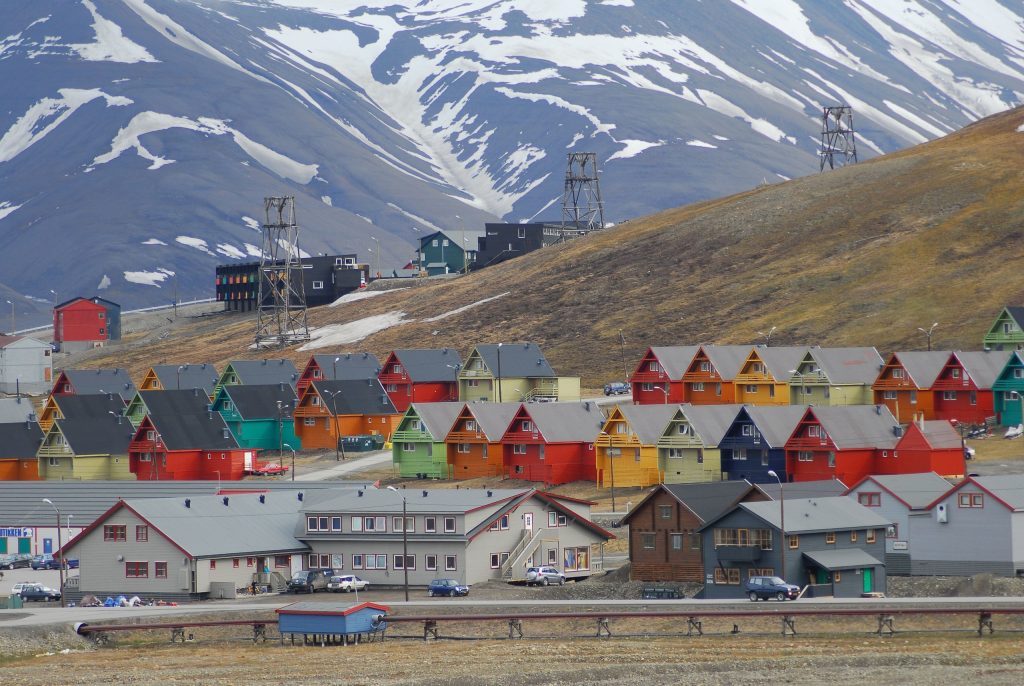
Located halfway between mainland Norway and the North Pole, the Svalbard Archipelago is one of the northernmost inhabited areas on Earth. Comprising a cluster of rugged islands, the archipelago is governed by Norway and includes Spitsbergen, the largest and most visited island. Svalbard’s stark beauty and extreme conditions make it a unique destination for explorers, scientists, and nature enthusiasts alike. With its remote location and minimal human impact, Svalbard offers a glimpse into the raw and pristine Arctic environment—one of the last true wildernesses on Earth. - Arctic Wildlife and Iconic Polar Bears
Perhaps Svalbard’s most iconic residents are the polar bears, which outnumber the human population. These apex predators roam freely across the ice and tundra, making Svalbard one of the best places in the world to see them in the wild. Visitors might also spot Arctic foxes, reindeer, walruses, and seals, while birdwatchers can enjoy hundreds of thousands of seabirds nesting on the cliffs. Responsible tourism and strict wildlife protection laws help ensure that human presence does not disturb these extraordinary animals. - Dramatic Landscapes and Glacial Majesty
Svalbard’s geography is as striking as its wildlife. Towering mountains, deep fjords, and massive glaciers dominate the landscape. Glaciers cover about 60% of the archipelago, and their constant movement shapes the environment in powerful ways. Calving glaciers—where chunks of ice break off and plunge into the sea—are a spectacular and humbling sight. Exploring the fjords by boat provides a unique perspective on these icy giants and the sheer scale of the Arctic landscape. - Midnight Sun and Polar Night
The extreme latitude of Svalbard creates dramatic variations in light. From late April to late August, the sun never sets, creating the surreal experience of the midnight sun. This continuous daylight allows for extended exploration and unusual photo opportunities. In contrast, the polar night from late October to mid-February shrouds the region in darkness. During this time, the northern lights often dance across the sky, providing a mesmerizing natural display that attracts travelers despite the cold and dark. - Arctic Adventures and Outdoor Activities
Svalbard is a haven for adventurous travelers. In summer, visitors can enjoy hiking, kayaking, and glacier trekking. Zodiac boats take travelers into ice-choked waters for close encounters with glaciers and wildlife. In winter, snowmobiling, dog sledding, and ice cave exploration offer thrilling ways to experience the frozen world. Each activity provides a deeper connection with the Arctic environment and is led by trained guides who prioritize safety and environmental stewardship. - Longyearbyen: Life at the Edge of the World
The main settlement of Longyearbyen is the northernmost town in the world with a permanent civilian population. Once a coal mining hub, Longyearbyen is now a center for Arctic tourism, research, and community life. Despite its isolation, the town offers modern amenities, including museums, restaurants, and even a university. Visitors can learn about the archipelago’s history, climate research, and the challenges of living in such a remote environment. - Rich Cultural and Historical Heritage
Svalbard has a fascinating human history that dates back to the 17th century, when whalers and trappers came to the region. Later, mining companies established settlements, some of which—like Barentsburg—still exist today. These communities reflect a mix of Norwegian and Russian influences. Exploring abandoned mining sites, historical huts, and museums gives insight into the harsh lives of early Arctic settlers and the geopolitical significance of the archipelago. - Environmental Research and Global Importance
Svalbard is not only a place of adventure but also of critical scientific research. The Svalbard Global Seed Vault stores seeds from around the world to safeguard biodiversity. Additionally, numerous climate research stations monitor the effects of global warming, which are especially pronounced in the Arctic. Svalbard serves as an early warning system for global climate change, making it a place of growing international concern and cooperation. - Sustainable Tourism and Conservation Efforts
Tourism in Svalbard is carefully managed to minimize environmental impact. Strict regulations govern wildlife interaction, waste management, and visitor behavior. Certified guides trained in Arctic survival and conservation practices lead most tours. Visitors are encouraged to follow the “Leave No Trace” principles, and many tour operators work closely with environmental organizations to protect Svalbard’s fragile ecosystems. This approach ensures that tourism supports, rather than threatens, the environment. - A Transformative Experience in the Far North
Exploring the Svalbard Archipelago is not just about seeing new places—it’s a deeply transformative experience. The isolation, silence, and scale of the Arctic landscape evoke a sense of humility and reflection. A journey challenges comfort zones, inspires respect for nature, and opens eyes to the urgent realities of climate change. Whether for adventure, science, or solitude, a trip to Svalbard is a rare opportunity to engage with one of the planet’s last truly wild frontiers. - Tromso — The Aurora Hub
Tromso is the most popular base for Northern Lights chasers. It offers a wide range of accommodations from cozy guesthouses and boutique hotels to modern, luxury stays. Many places offer Northern Lights wake-up calls so you don’t miss a sighting. Popular hotels include the Clarion Hotel The Edge and Scandic Ishavshotel, both with great views and central locations. - Lofoten Islands — Scenic and Secluded
In the Lofoten Islands, staying in traditional fishermen’s cabins called rorbuer is a unique experience. These cabins are often right by the water, offering stunning views and a cozy atmosphere. Towns like Svolvær and Reine have good options for lodges and guesthouses. - Alta — The City of Northern Lights
Alta offers hotels, lodges, and even ice hotels. The Sorrisniva Igloo Hotel is a famous ice hotel option. For something warmer, try the Scandic Alta or smaller cozy lodges in the outskirts where you can get darker skies.
Things to do in Norway
- Witness the Northern Lights
Experience the magical Aurora Borealis in northern Norway, especially around Tromso, Lofoten, and Alta. Join guided tours or chase the lights on your own from remote spots. - Explore the Fjords
Cruise or hike around Norway’s iconic fjords like Geirangerfjord and Næroyfjord, UNESCO World Heritage sites known for dramatic cliffs, waterfalls, and serene waters. - Hike the Trolltunga
Challenge yourself with the famous Trolltunga hike near Odda. The hike offers breathtaking views over Ringedalsvatnet Lake and the surrounding mountains.
Day trip from Norway
From Oslo
- Visit the Oslo Fjord and Bygdoy Peninsula
Explore the beautiful Oslo Fjord by boat, then visit the museums on Bygdoy Peninsula, including the Viking Ship Museum and the Fram Museum. - Hike to Kjeragbolten (for the adventurous)
If you’re up for a longer day, take an early flight or drive to Stavanger and hike the iconic Kjeragbolten boulder—one of Norway’s most famous natural attractions.
From Bergen
- Fjord Cruise to Næroyfjord and Aurlandsfjord
Take a scenic cruise from Bergen to explore the UNESCO-listed fjords, known for steep cliffs and waterfalls. Some tours combine a boat trip with a visit to the charming village of Flam. - Visit Hardangerfjord and Voringsfossen Waterfall
Drive or join a tour to Hardangerfjord, Norway’s fourth largest fjord, and see the spectacular Voringsfossen waterfall, one of the highest in the country.
From Tromso
- Whale Watching Safari
In winter, join a whale watching tour from Tromsø to see orcas and humpback whales feeding in the fjords. - Visit the Arctic Fjords and Sami Camp
Take a day trip to explore Arctic fjords and visit a Sami camp for reindeer sledding and cultural experiences.