
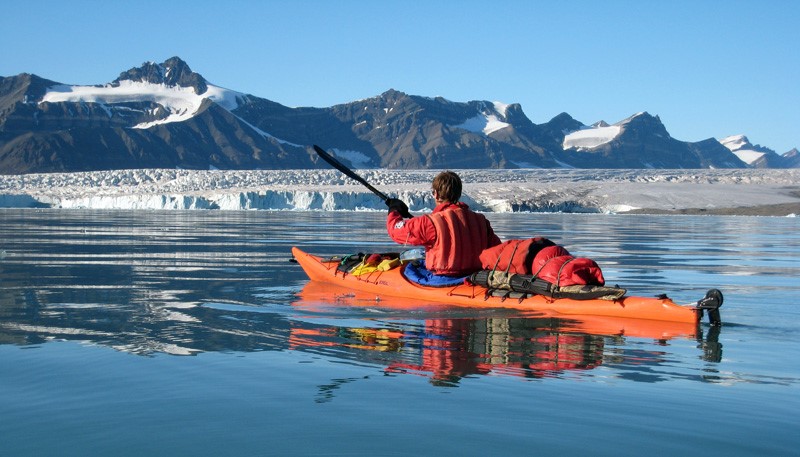

Introduction
Svalbard is a remote Norwegian archipelago located in the Arctic Ocean, about halfway between mainland Norway and the North Pole. Known for its dramatic glaciers, rugged mountains, and unique wildlife like polar bears and Arctic foxes, it’s one of the northernmost inhabited places on Earth. Svalbard has a small population mainly involved in research, tourism, and mining, and it offers visitors extraordinary opportunities for Arctic exploration and experiencing pristine natural landscapes.
- Introduction to Svalbard Archipelago
Svalbard is a remote group of islands situated in the Arctic Ocean, roughly midway between mainland Norway and the North Pole. This Norwegian territory is known for its stark, breathtaking landscapes that combine towering glaciers, rugged mountains, and icy fjords. Despite its harsh Arctic climate, Svalbard is a hub for adventurous travelers and scientists alike, offering a unique glimpse into life at the edge of the world. Its isolation and extreme environment make it a destination like no other.
- Geography and Climate
The Svalbard archipelago consists of several islands, with Spitsbergen being the largest and most populated. The islands are dominated by glaciers, which cover approximately 60% of the land. The climate is polar, characterized by long, dark winters with temperatures dropping well below freezing, and relatively mild summers thanks to the warming effects of the Gulf Stream. The extreme conditions shape the natural environment, creating a fragile ecosystem adapted to Arctic extremes.
- Wildlife and Nature
One of Svalbard’s biggest draws is its incredible wildlife. The archipelago is home to the iconic polar bear, which is protected by strict conservation laws. Visitors can also spot Arctic foxes, Svalbard reindeer, and a wide variety of seabirds. The surrounding Arctic waters teem with seals, walruses, and whales. The natural beauty and biodiversity here provide a rare opportunity to see animals uniquely adapted to the polar environment in their natural habitat.
- Midnight Sun and Polar Night
Svalbard experiences extreme variations in daylight due to its high latitude. From mid-April to late August, the sun never sets, creating the phenomenon known as the midnight sun. Conversely, from late October to mid-February, the archipelago is plunged into polar night, when the sun does not rise above the horizon. These dramatic shifts in light offer visitors a chance to experience unique Arctic phenomena and affect the way people live and explore the region.
- Outdoor Activities and Adventure
Exploring Svalbard means embracing the Arctic outdoors. Popular activities include glacier hiking, snowmobiling, dog sledding, and boat trips through the fjords. For the more adventurous, ice climbing and Arctic camping are possible under expert guidance. These activities provide an exhilarating way to experience the wild landscapes and test one’s limits in one of the planet’s last great wildernesses.
- Historical Significance
Svalbard has a rich history tied to whaling, mining, and polar exploration. Settlements such as Longyearbyen, the administrative center, reflect this heritage with museums and historical sites. The archipelago was a base for many early Arctic expeditions and has a fascinating mix of cultural influences due to its international treaty status. Exploring Svalbard means stepping back into a history of human endeavor in extreme conditions.
- Scientific Research and Environmental Importance
Due to its unique environment, Svalbard is a key location for Arctic research. Scientists study climate change, glaciology, and Arctic ecosystems here. The archipelago’s research stations monitor environmental changes that have global implications. Protecting the fragile Arctic environment is a priority, making Svalbard an important site for conservation efforts and scientific discovery.
- Access and Travel Tips
Reaching Svalbard is an adventure in itself. Most visitors arrive via flights from mainland Norway, primarily Oslo or Tromsø, to Longyearbyen. Travel within the archipelago often requires guided tours due to the risks posed by wildlife and weather conditions. It’s important to prepare for cold weather, follow safety protocols, and respect local regulations to ensure a safe and responsible visit.
- Tourism and Sustainable Practices
Tourism in Svalbard is carefully managed to balance visitor experiences with environmental protection. Guided tours emphasize minimal impact, and there are strict rules about wildlife interaction and waste disposal. Sustainable tourism initiatives help preserve Svalbard’s pristine environment while allowing travelers to experience its wonders. This approach ensures that the archipelago remains a viable destination for future generations.
- Conclusion: Why Explore Svalbard?
Exploring the Svalbard archipelago is an unforgettable journey into one of the world’s last true wildernesses. The dramatic landscapes, unique wildlife, and extreme conditions combine to offer an Arctic experience that is both challenging and awe-inspiring. Whether you are drawn by adventure, nature, history, or science, Svalbard stands out as a symbol of the raw beauty and fragility of the polar regions. Visiting here fosters a deeper appreciation for our planet’s diversity and the urgent need to protect its most remote environments.
Where to stay in Svalbard
- Longyearbyen – The Main Hub
Longyearbyen is the largest settlement and the administrative center of Svalbard, and by far the most common place for visitors to stay. It offers a range of accommodations from cozy guesthouses to modern hotels. Staying here means easy access to shops, restaurants, museums, and tour operators.
Popular options in Longyearbyen:
- Radisson Blu Polar Hotel: The only full-service hotel, known for comfort and good amenities with Arctic views.
- Svalbard Hotel | Polfareren: Another comfortable hotel with a great location and restaurant.
- Coal Miners’ Cabins: Simple and affordable cabins with basic facilities, great for budget travelers.
- Guesthouses and Hostels: Smaller, often family-run places offering a more personal feel.
- Ny-Alesund – Scientific Research Station
Ny-Alesund is one of the world’s northernmost settlements, primarily a research town with limited access for tourists. Staying here is rare and usually limited to researchers, but some expedition cruises or special tours include short visits.
- Camp and Lodge Options
For a more immersive Arctic experience, some tour operators offer wilderness camps or lodges outside Longyearbyen. These provide a closer connection to nature and the chance to see wildlife away from the settlement, often with guided activities like dog sledding or Northern Lights viewing.
Things to do in Svalbard
- Wildlife Watching
See iconic Arctic animals like polar bears, Arctic foxes, reindeer, walruses, and seabirds in their natural habitat. Guided tours increase your chances of safe and responsible wildlife encounters.
- Glacier Hiking and Ice Climbing
Explore the vast glaciers that cover much of Svalbard’s landscape. Guided hikes and climbs let you experience the icy wilderness up close, with stunning views and exhilarating challenges.
- Boat Cruises and Fjord Exploration
Take a boat tour through dramatic fjords, spotting wildlife and glaciers from the water. Summer cruises offer whale watching and visits to remote locations unreachable by land.
Day trip from Svalbard
- Boat Trip to the Fjords and Wildlife Spotting
Take a guided boat tour from Longyearbyen into the stunning fjords like Isfjorden or Adventfjorden. These trips often include chances to see walruses hauled out on ice, seals, seabirds, and sometimes even polar bears in the distance. You’ll get breathtaking views of glaciers calving into the sea and the rugged Arctic coastline.
- Snowmobile Safari (Winter Season)
During winter, join a snowmobile day trip across frozen tundra and glaciers. These safaris let you explore the Arctic wilderness beyond Longyearbyen, visiting remote valleys and frozen lakes, often with a stop for a hot meal in a wilderness cabin.
- Glacier Hiking Excursion
Spend a day trekking on one of Svalbard’s accessible glaciers. Guided hikes teach you about glaciology, Arctic ecology, and safety while you walk on the ice, surrounded by spectacular mountain scenery.